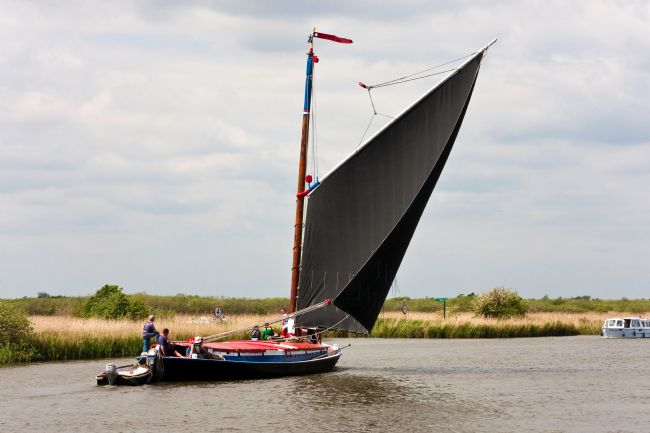
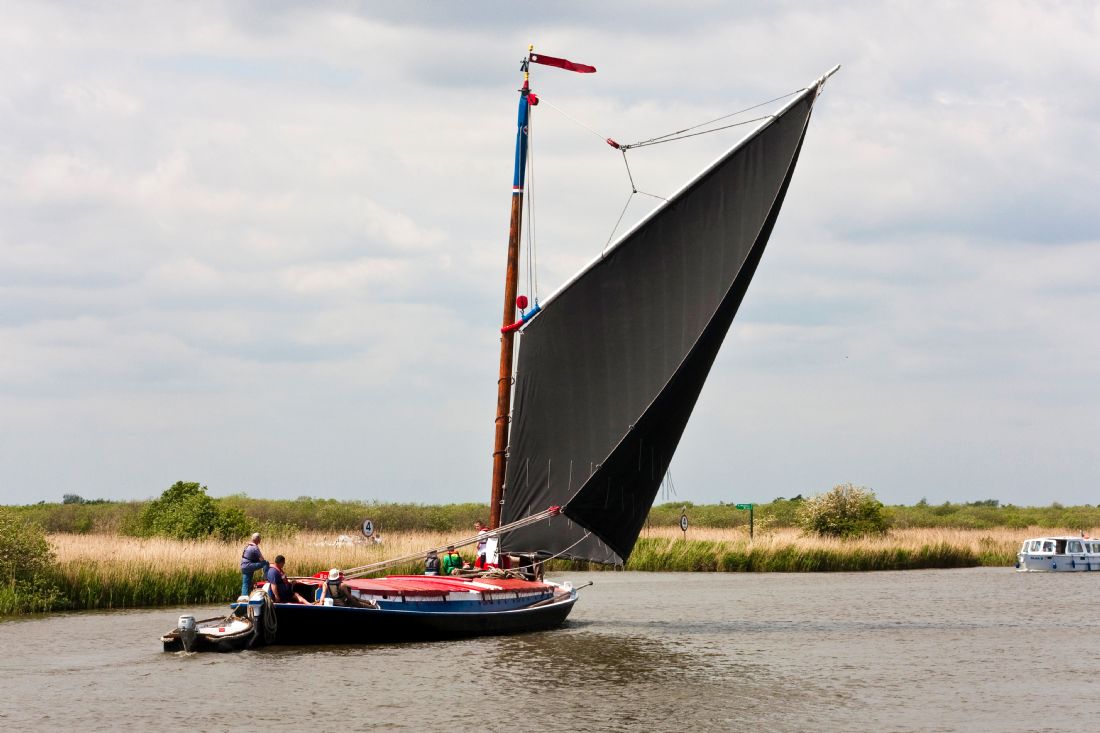
To keep an example of the Norfolk Trading Wherry afloat and sailing
To maintain Albion, to enable her to continue to be seen on the rivers and broads
To encourage as many people as possible to enjoy this unique wetland in a traditional way
To involve members in the interesting and challenging task of preserving this unique craft
To help people understand the history of the Norfolk Trading Wherry through an enjoyable educational experience
To keep an example of the Norfolk Trading Wherry afloat and sailing
To maintain Albion, to enable her to continue to be seen on the rivers and broads
To encourage as many people as possible to enjoy this unique wetland in a traditional way
To involve members in the interesting and challenging task of preserving this unique craft
To help people understand the history of the Norfolk Trading Wherry through an enjoyable educational experience
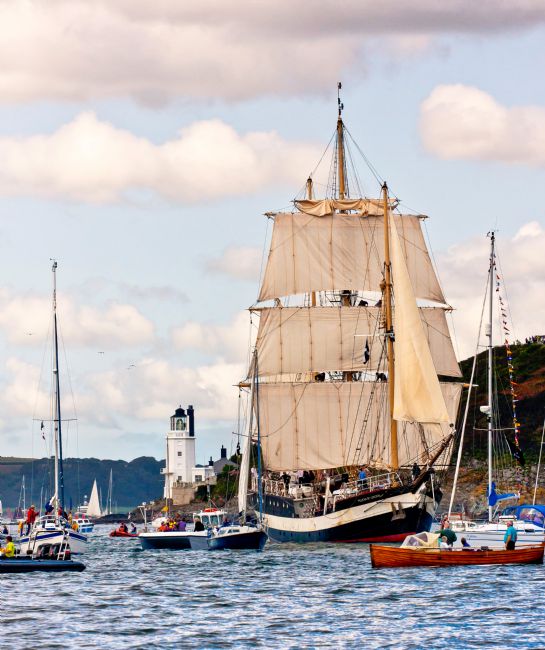
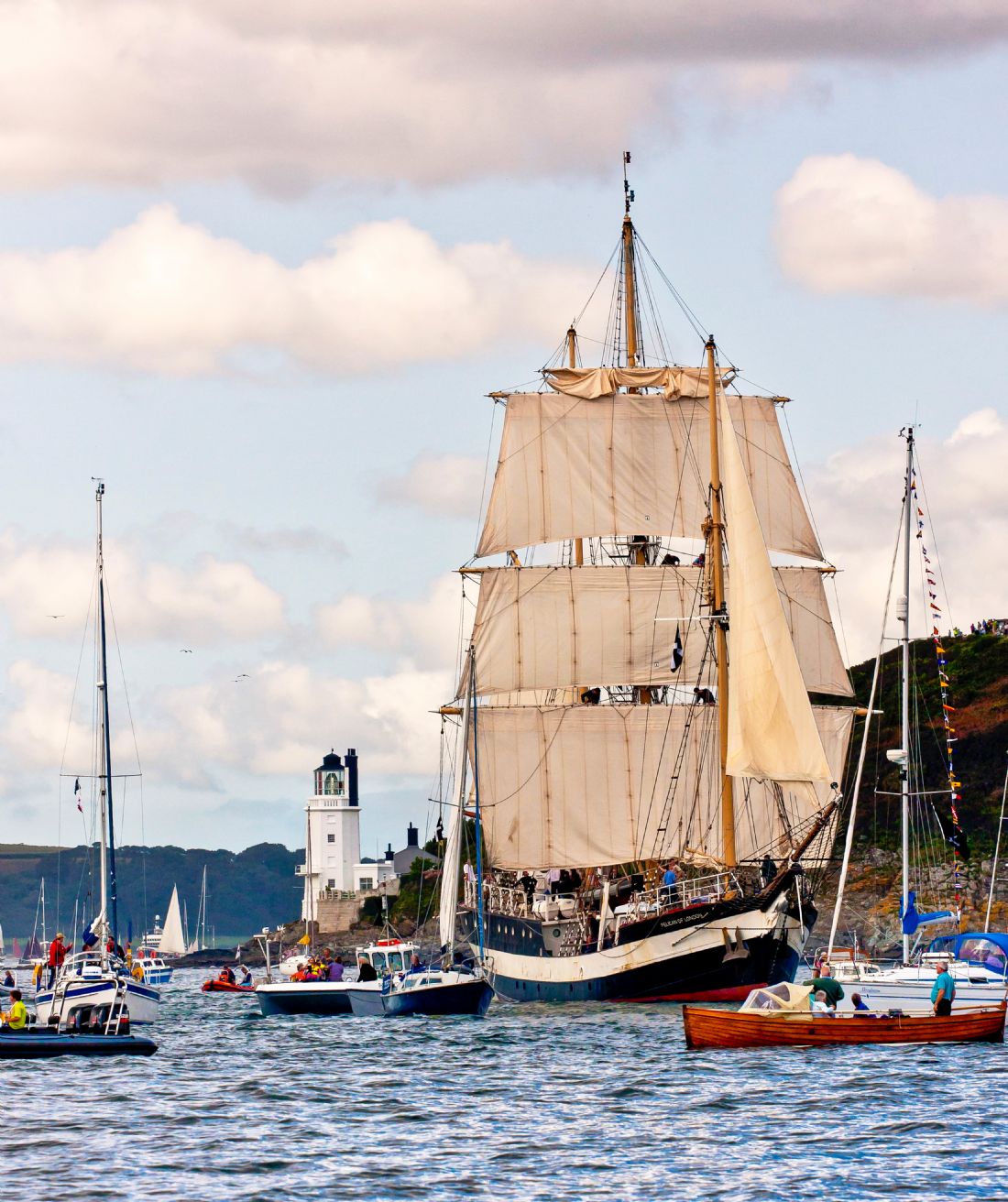
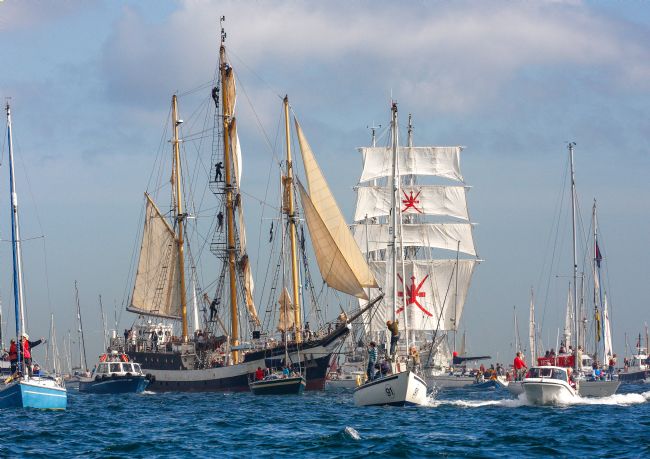
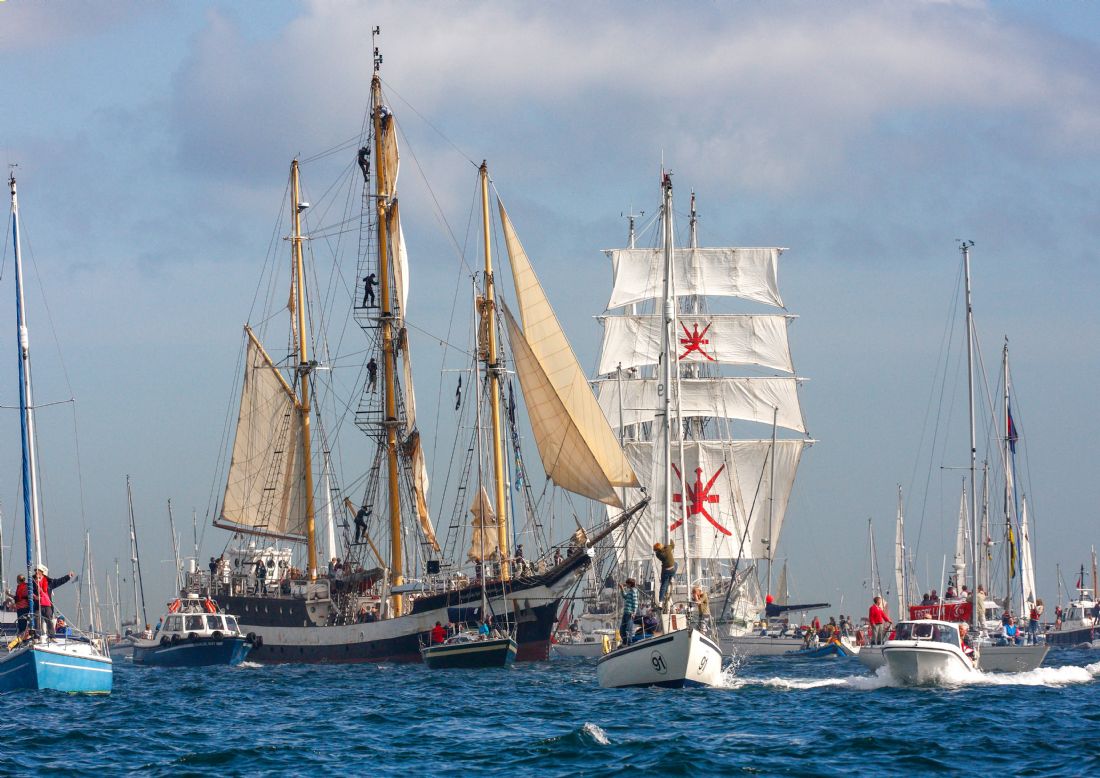
Tall Ship sailing out to the start line passes St Anthony Lighthouse
A mass of local craft escort the tall ships out to the start line
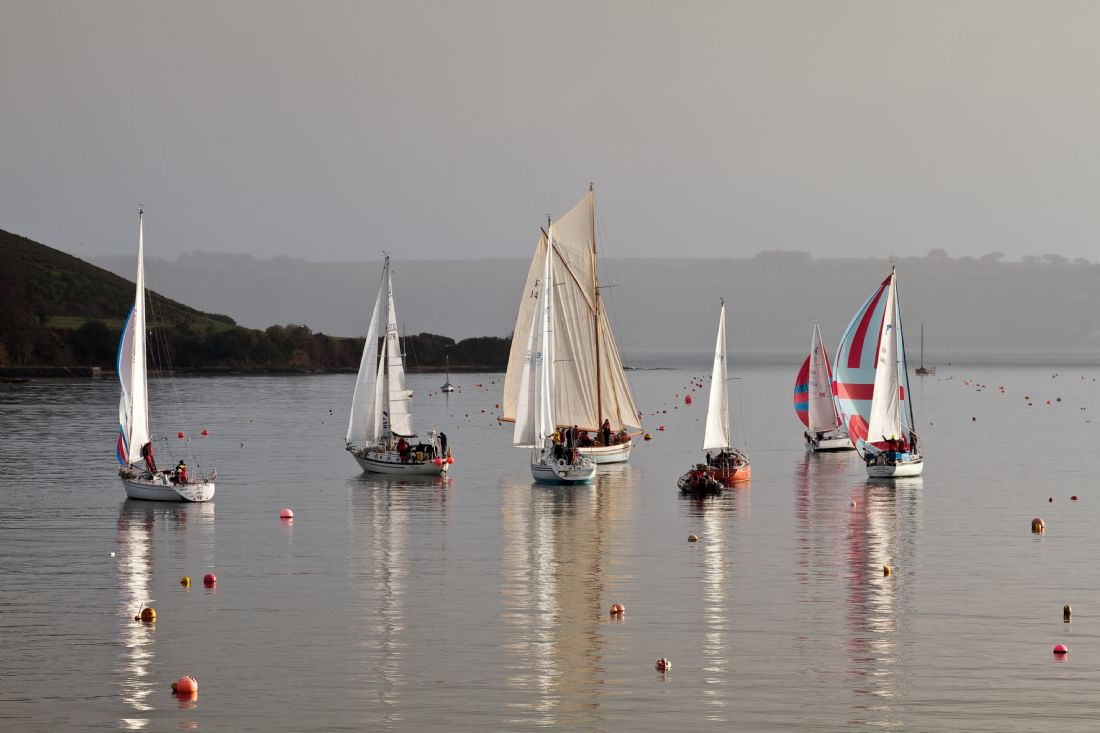
The fleet drifting with no wind
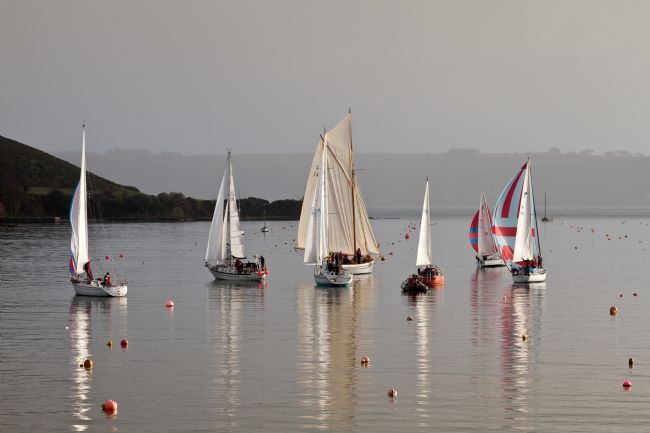
Yachts becalmed sailing out of the inner harbour, Falmouth
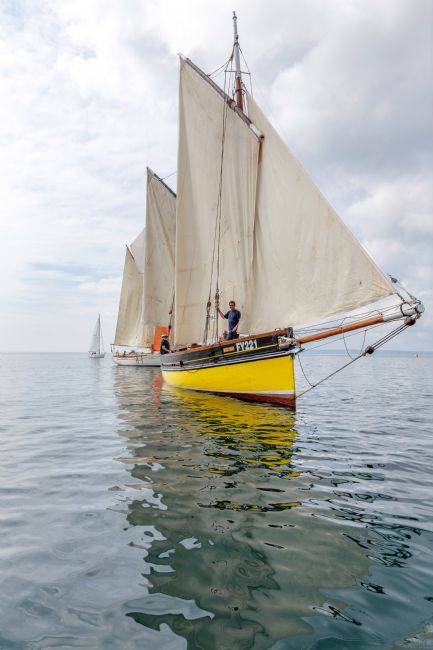
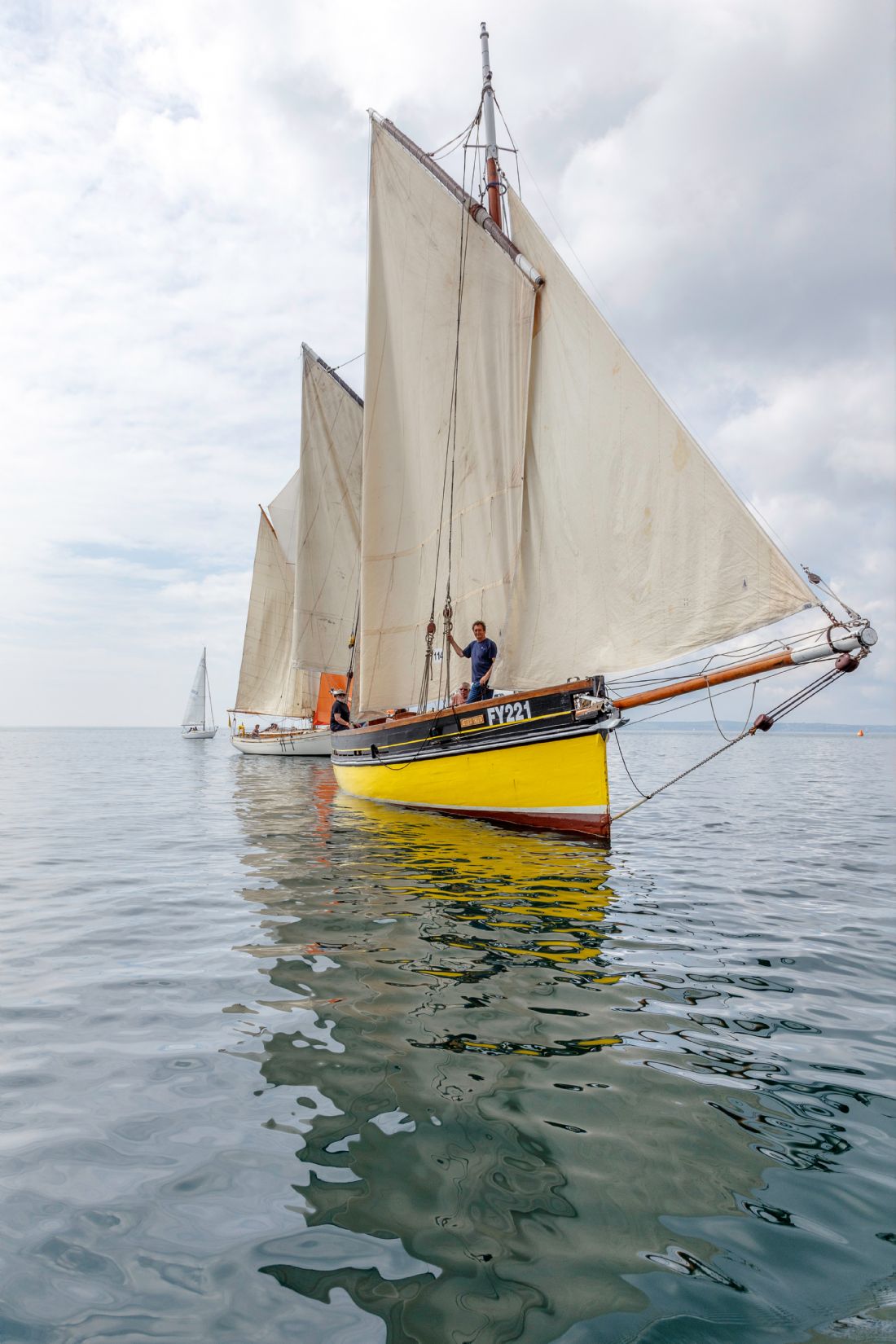
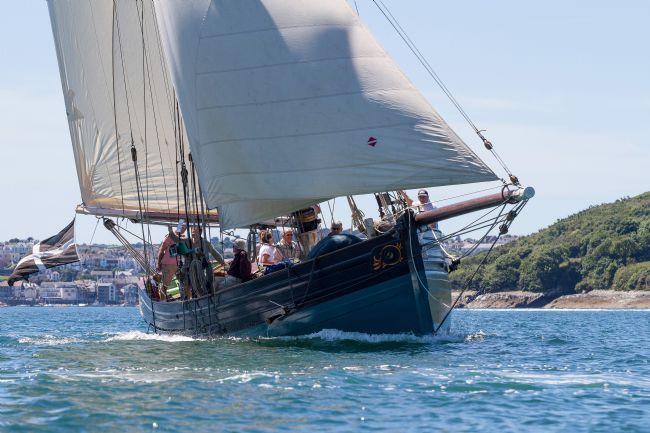
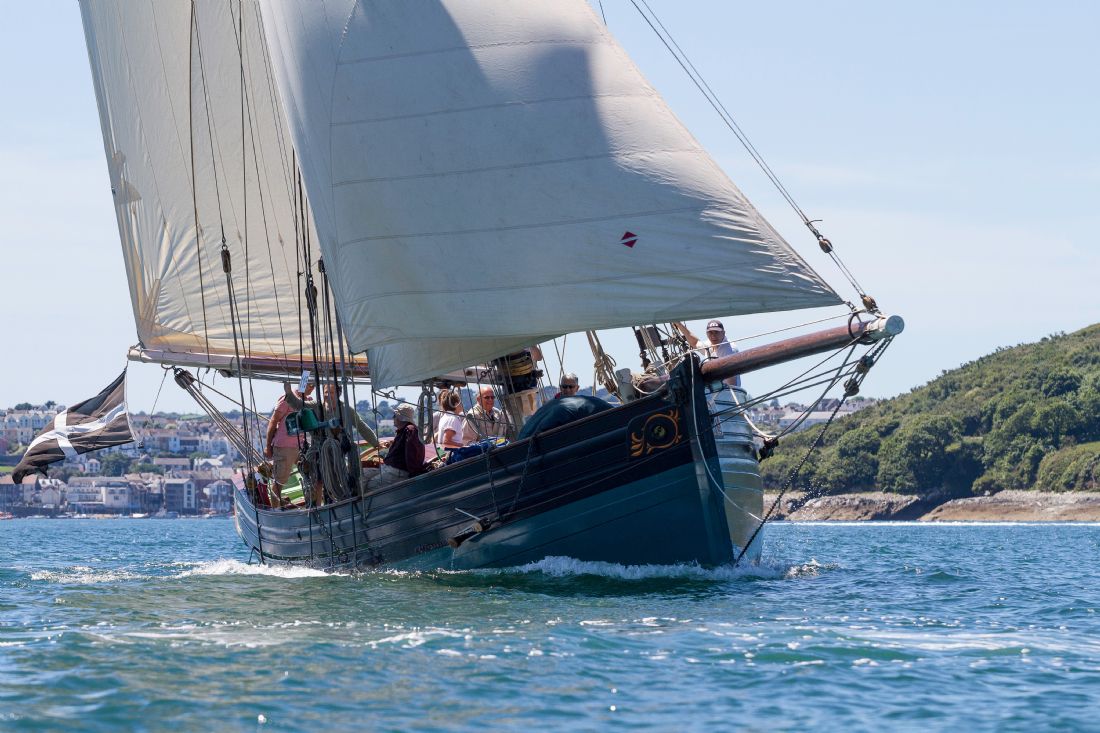
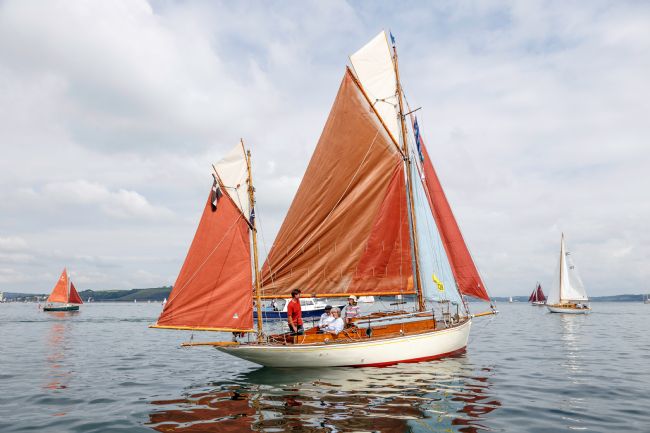
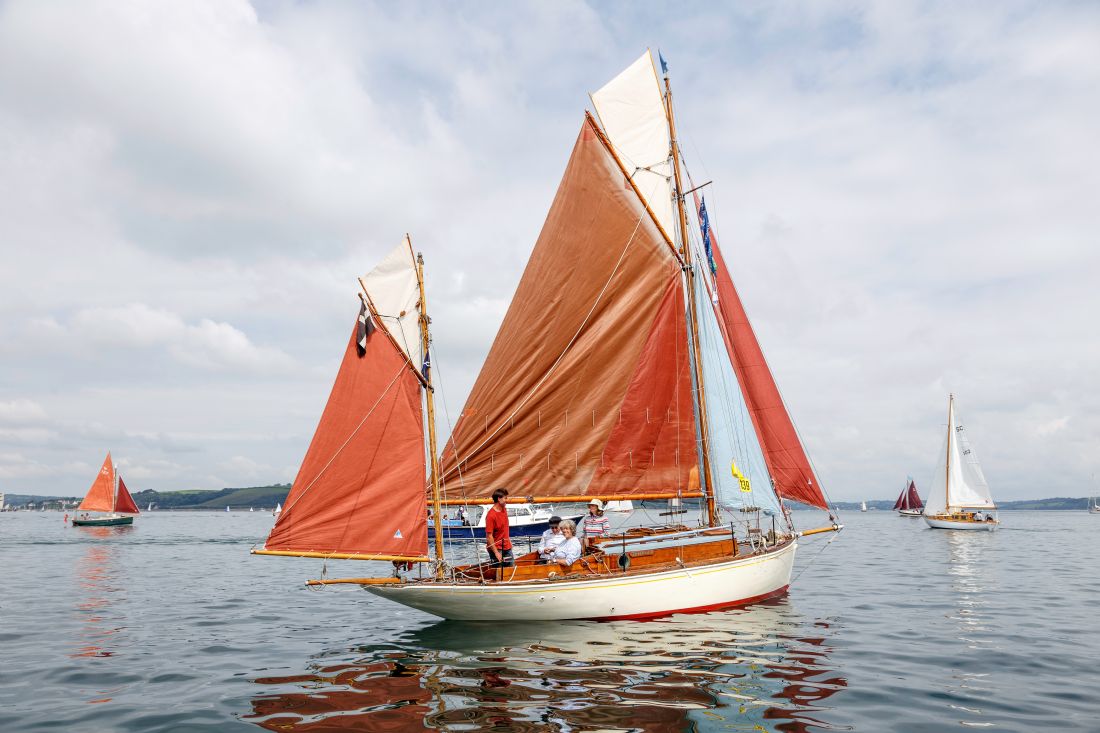
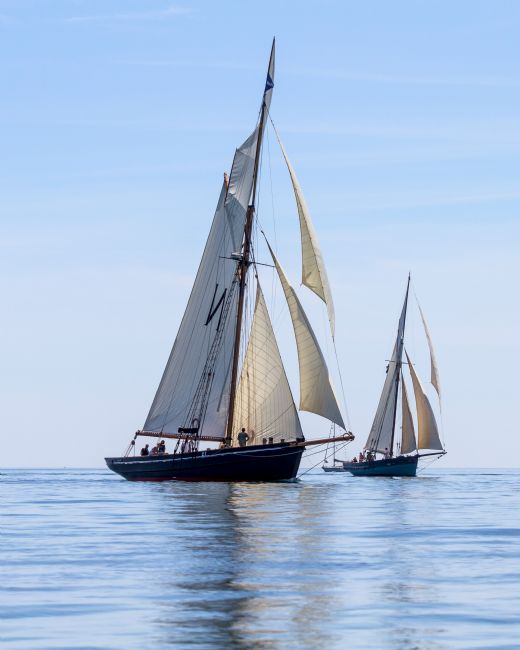
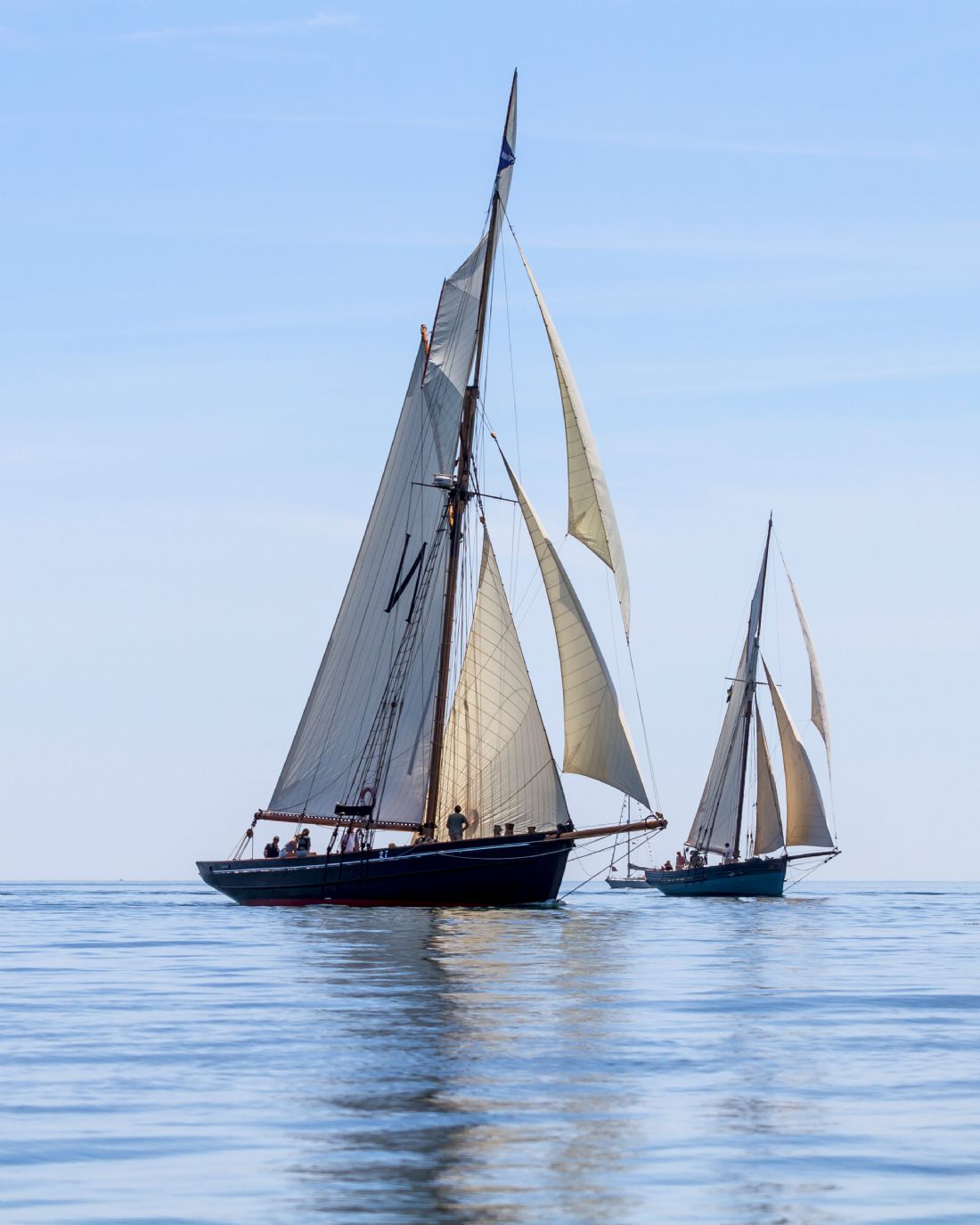
A Bristol Pilot Cutter sails out of Falmouth to join the Classics regatta
The fleet drifting with no wind
The fleet drifting with no wind
- Not suitable for canvas print
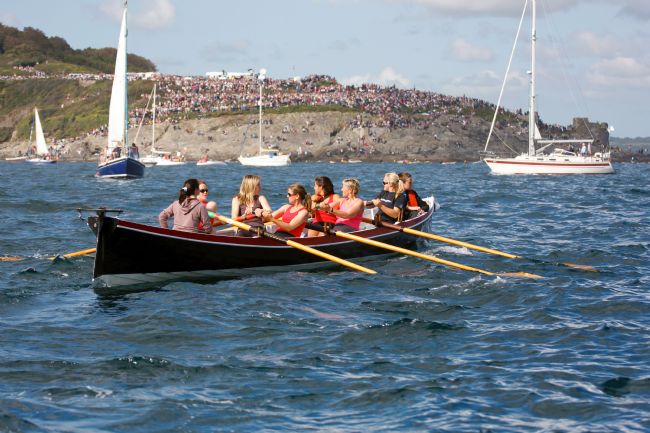
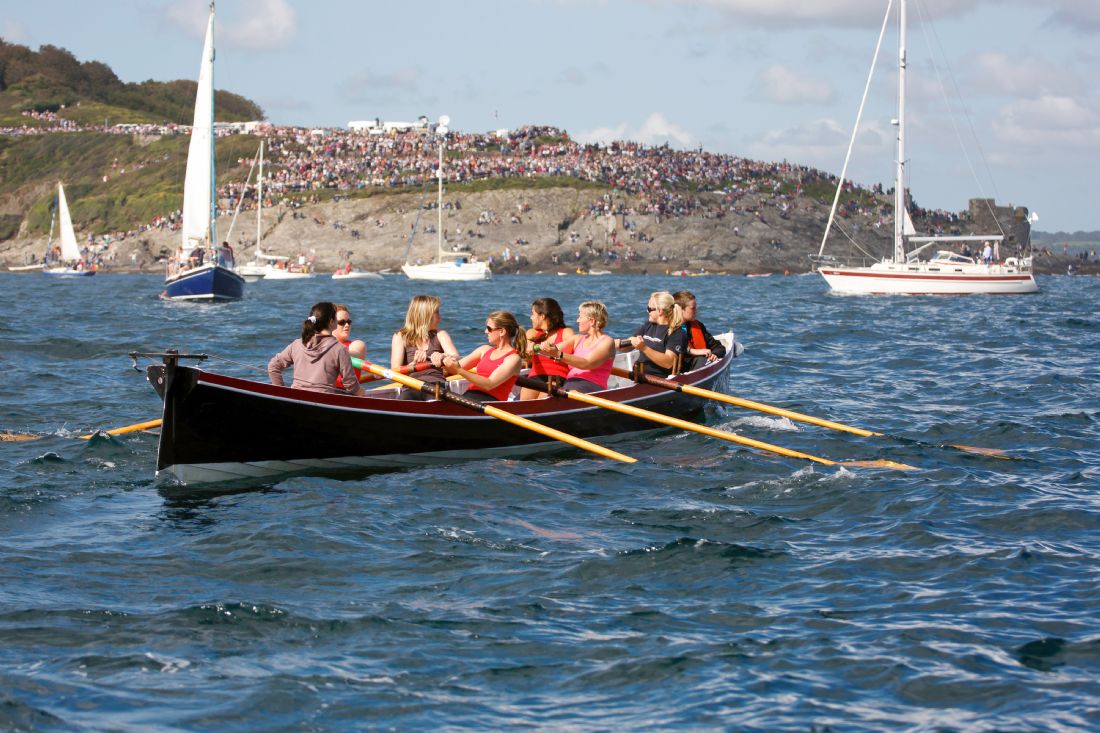
A ladies team of gig rowers, row a pilot gig ashore after a regatta
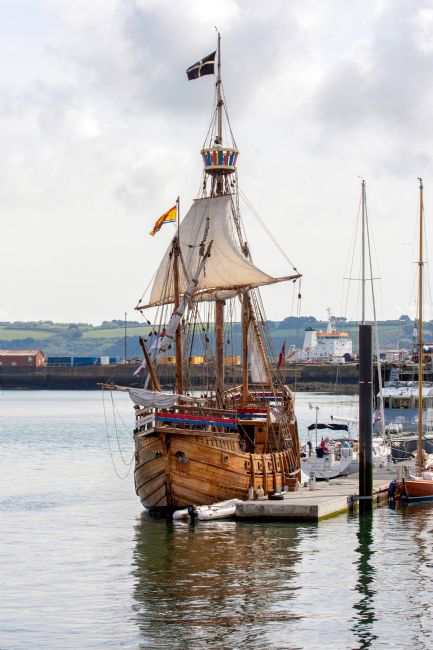
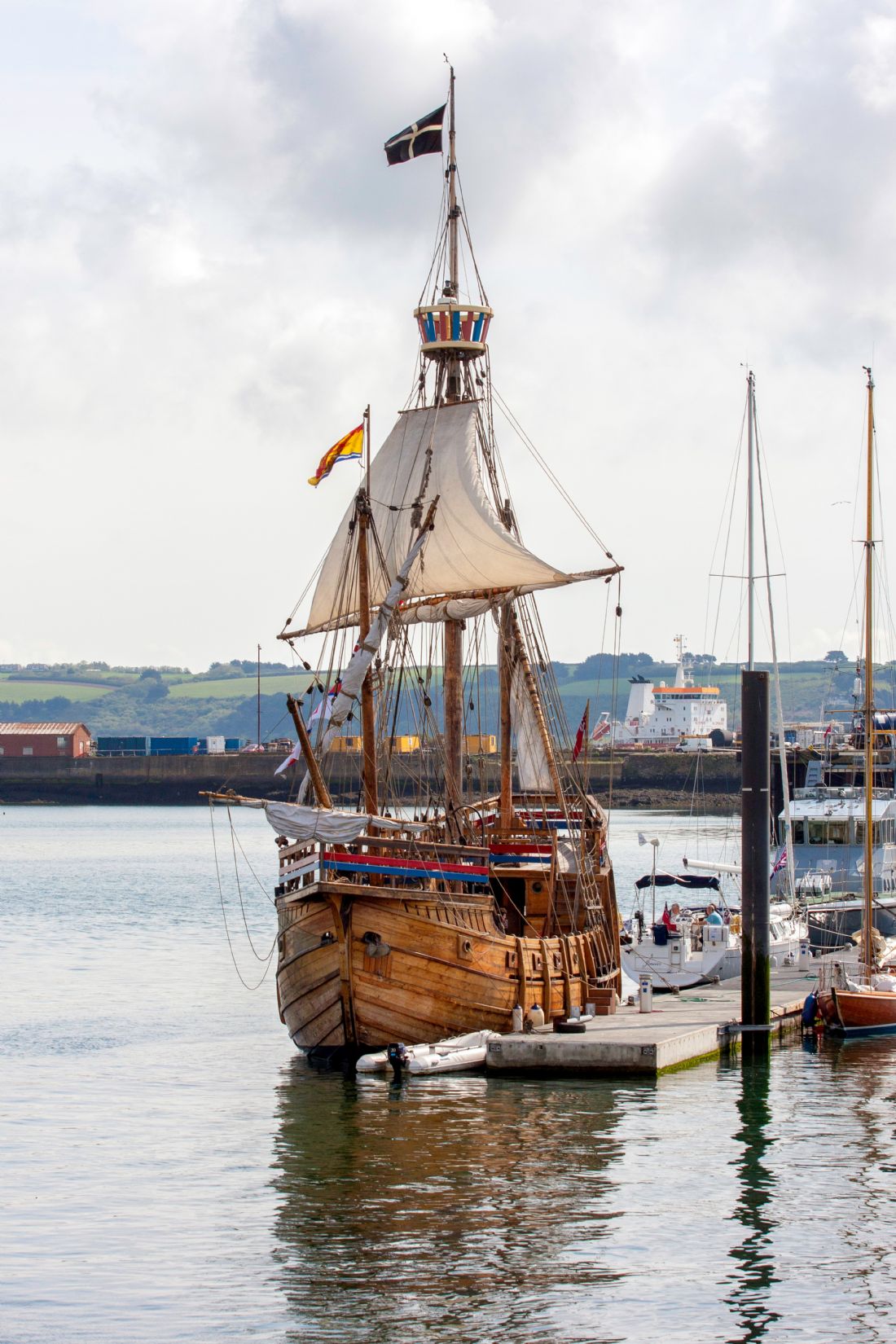
The Matthew visiting Falmouth. She was a caravel sailed by John Cabot in 1497 from Bristol to North America
To celebrate the 500th anniversary of Cabot's voyage, a replica of the Matthew was built in Bristol by the Bristol Classic Boat Company. The design was by naval architect Colin Mudie. She was dedicated in a ceremony during the first International Festival of the Sea, held in Bristol's Floating Harbour in 1996.
The full-size replica is 23.7m long with a beam of 6.3m with a draft of 2.1m and 219 m2 of sail.
On 29 February 2012 the Matthew's ownership was transferred to The Matthew of Bristol Trust.
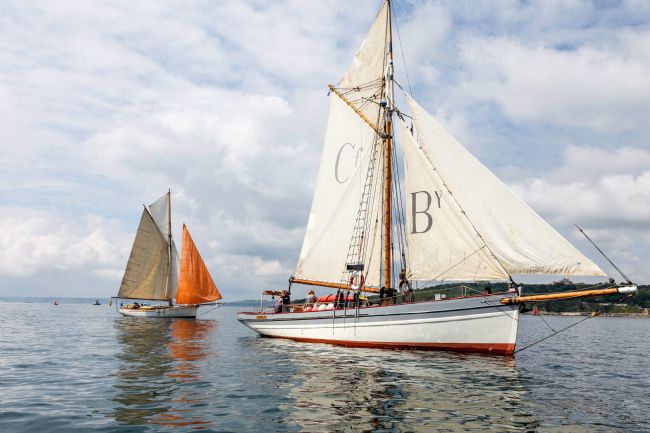
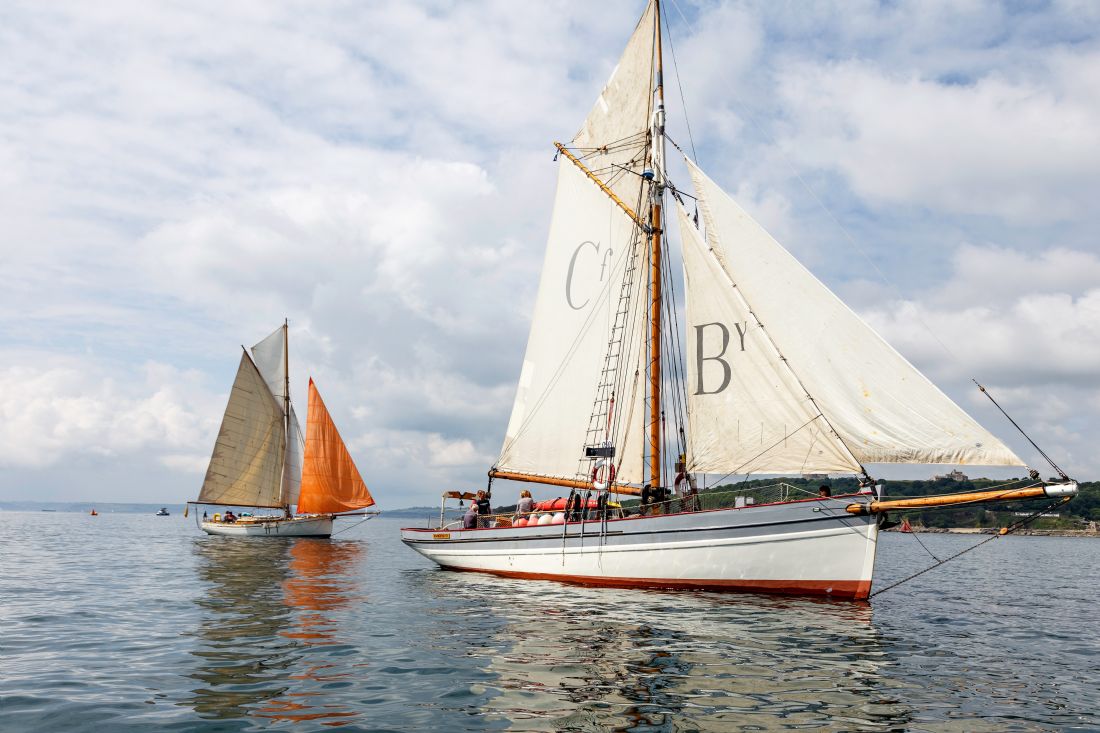
Pilot Cutter built 1904 by Cox, Thomas & Son, Newport. National Historic Fleet