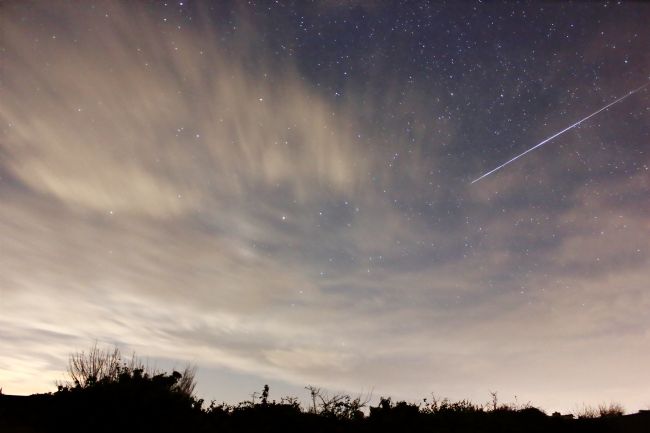
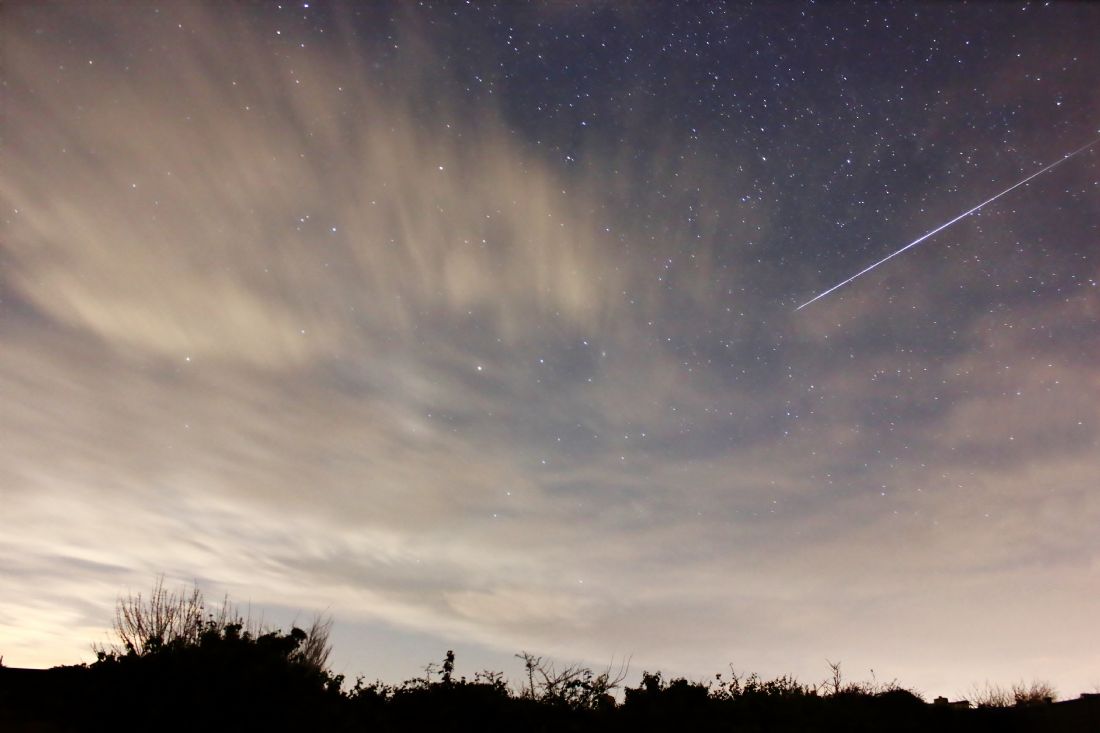
This meteor came from the north west direction at 12.37am on 4th January 2020.
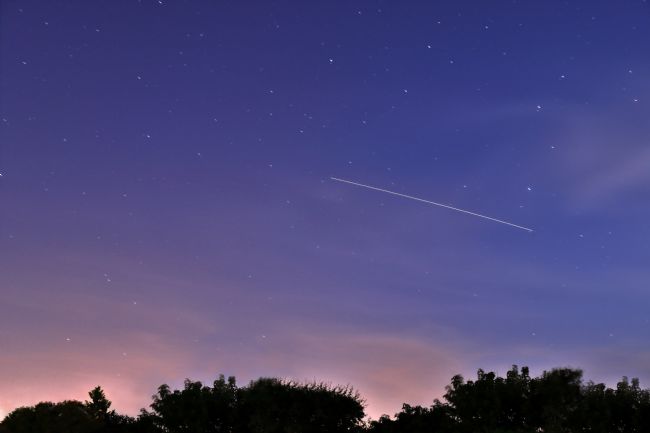
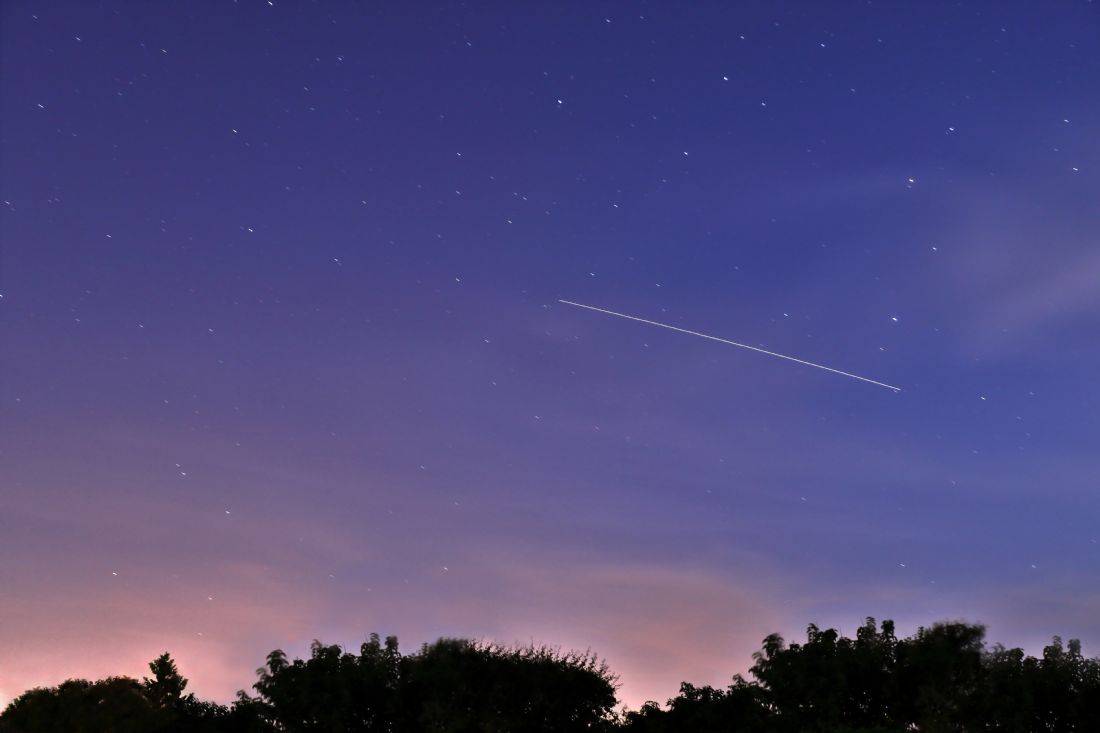
A 40 second long exposure of the International Space Station passing over Bishops Cleeve, Cheltenham on 27th May 2020 at 10:57pm.
Please be aware that as this was a long exposure, there will be some movement blur visible in the foreground vegetation.
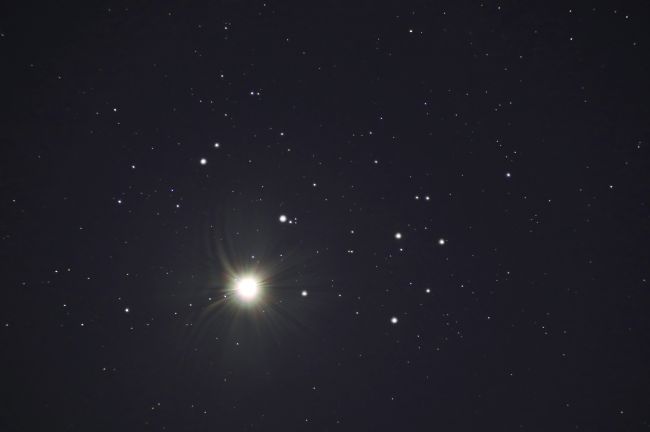
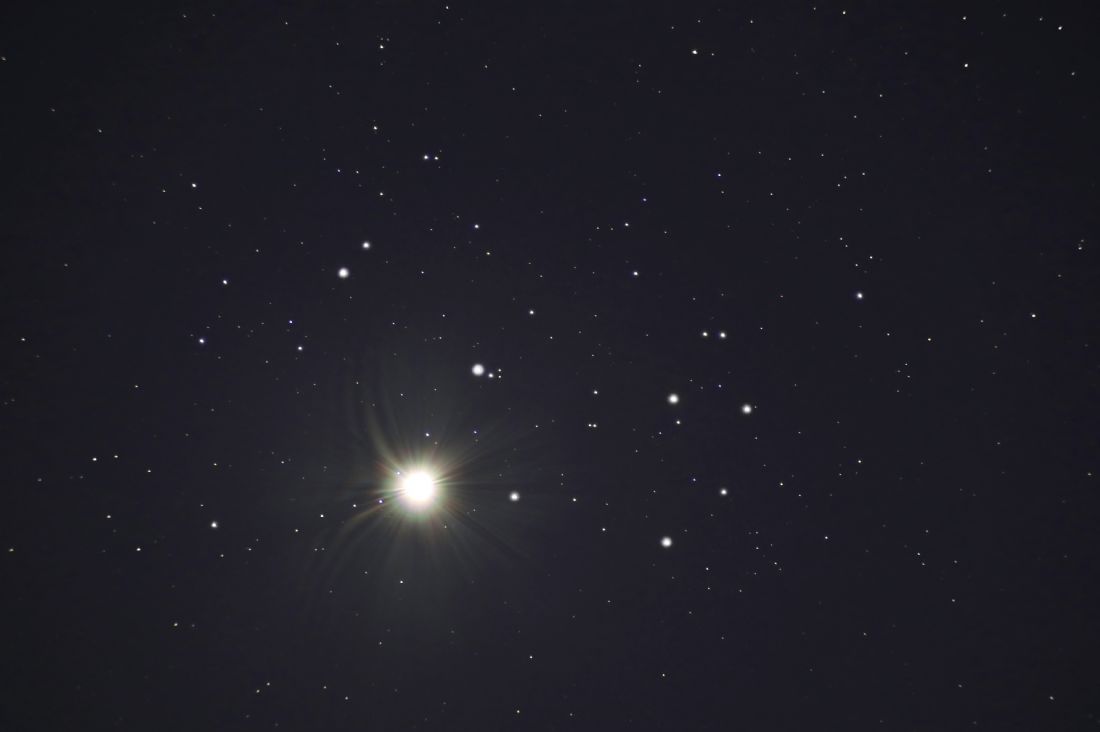
A rare and beautiful conjunction of the planet Venus and the The Pleiades (Seven Sisters) on 3rd April 2020. The Venus-Pleiades conjunctions only come in early April and recur in every 8 years.
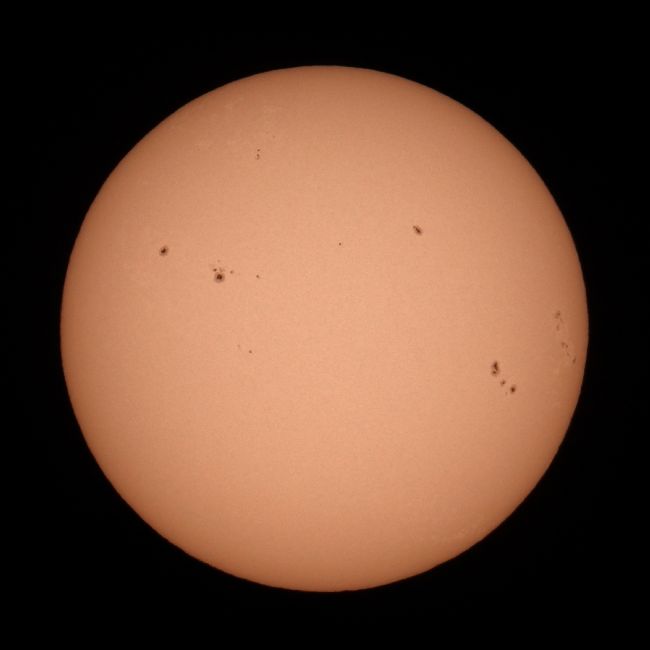
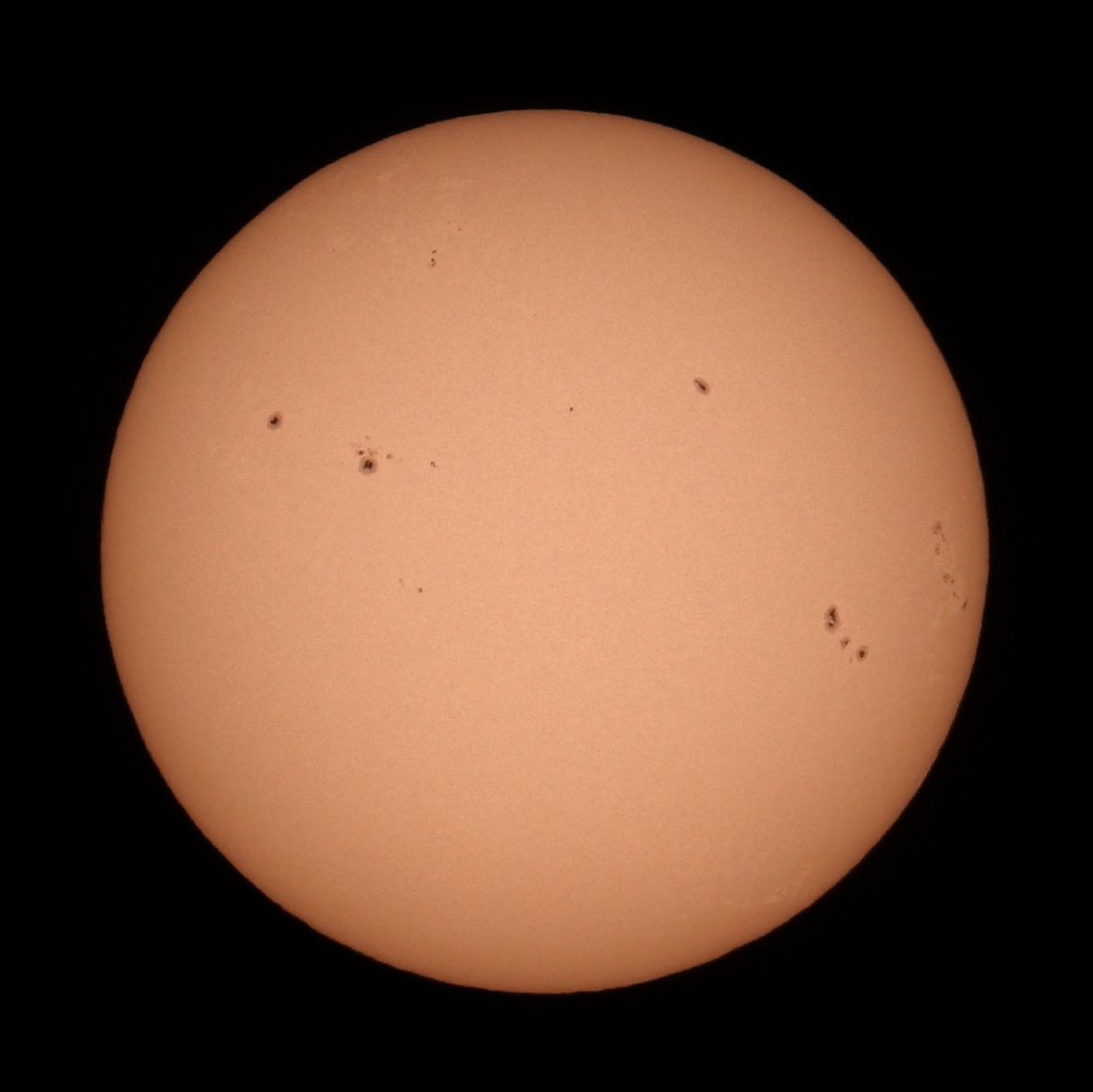
Our Sun on the 12th February 2023 with sunspot groups 3213, 3214, 3215, 3216, 3217, 3218, 3219, 3220, 3221 visible. Sunspots are dark, planet-sized regions that appear on the Sun and they look dark because they are cooler than their surroundings.
The Aurora Borealis (Northern Lights) over Bishops Cleeve near Cheltenham on 10th October 2024.
The Aurora borealis (Northern Lights) over Bishops Cleeve near Cheltenham on 10th May 2024.
The Aurora borealis (Northern Lights) over Bishops Cleeve near Cheltenham on 10th May 2024.
The Aurora borealis (Northern Lights) over Bishops Cleeve near Cheltenham on 10th May 2024.
The Aurora borealis (Northern Lights) over Bishops Cleeve near Cheltenham on 10th May 2024.
The Aurora borealis (Northern Lights) over Bishops Cleeve near Cheltenham on 10th May 2024.
The Aurora borealis (Northern Lights) over Bishops Cleeve near Cheltenham on 10th May 2024.
Our Sun on the 1st May 2025 with sunspot groups 4079 and 4076 visible. Sunspots are dark, planet-sized regions that appear on the Sun and they look dark because they are cooler than their surroundings.
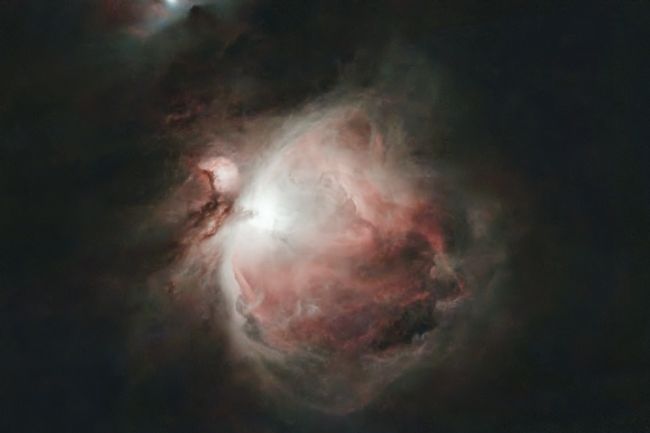
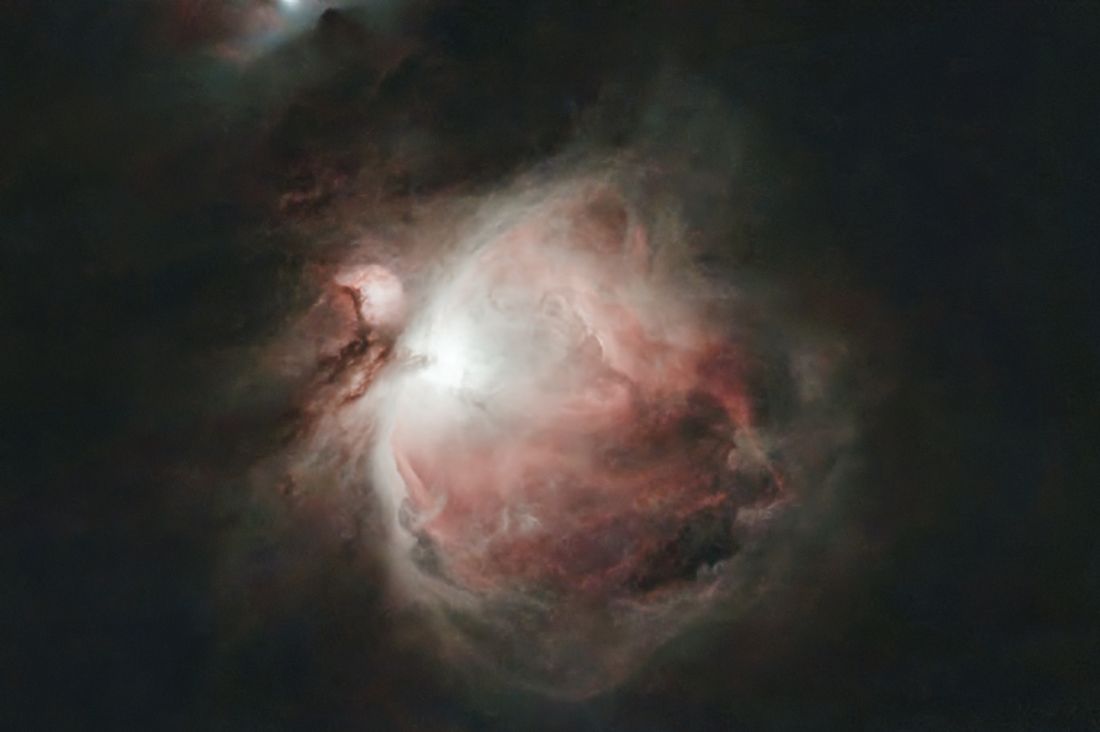
The beautiful Orion Nebula taken with the Dwarf Mini smart telescope on 17th November 2025.
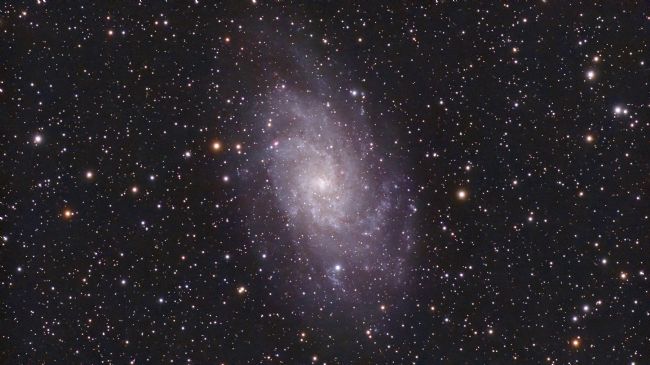
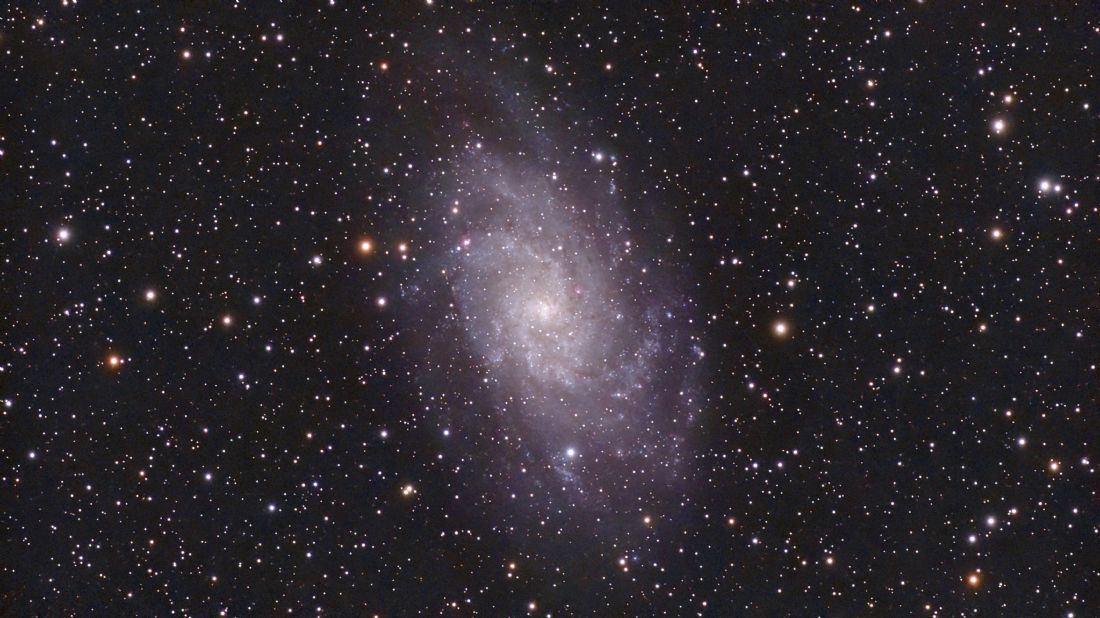
The Triangulum galaxy, M33, taken with the Dwarf Mini smart telescope in December 2025.
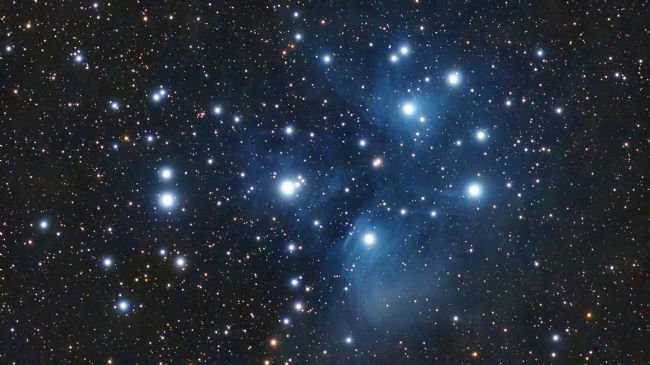
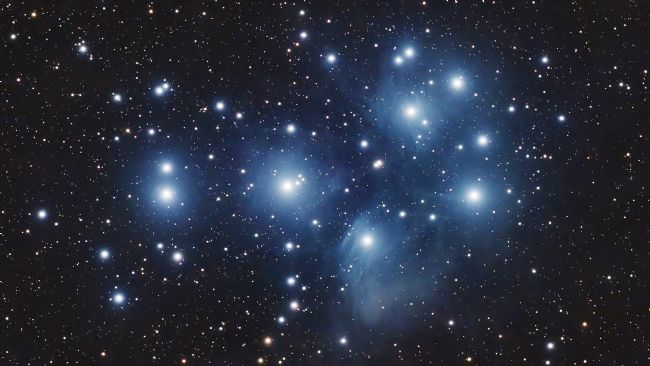
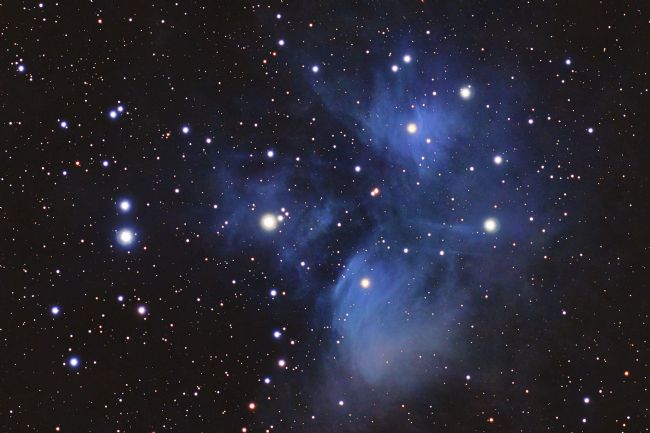
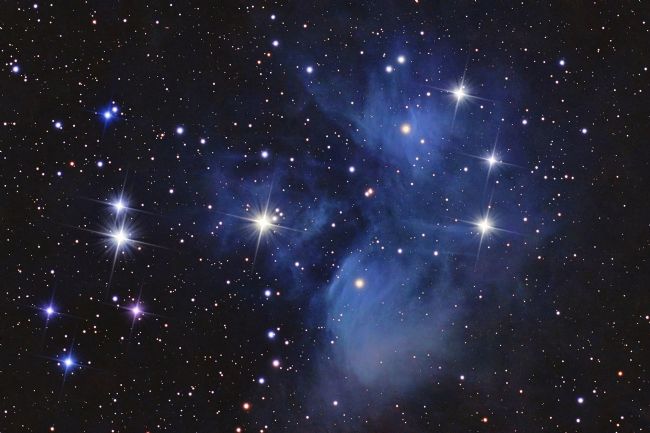
The Pleiades open star cluster taken with the Dwarf Mini smart telescope on 23rd November 2025.
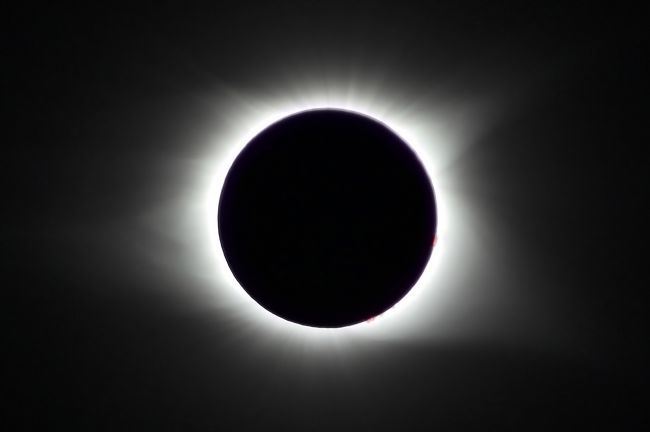
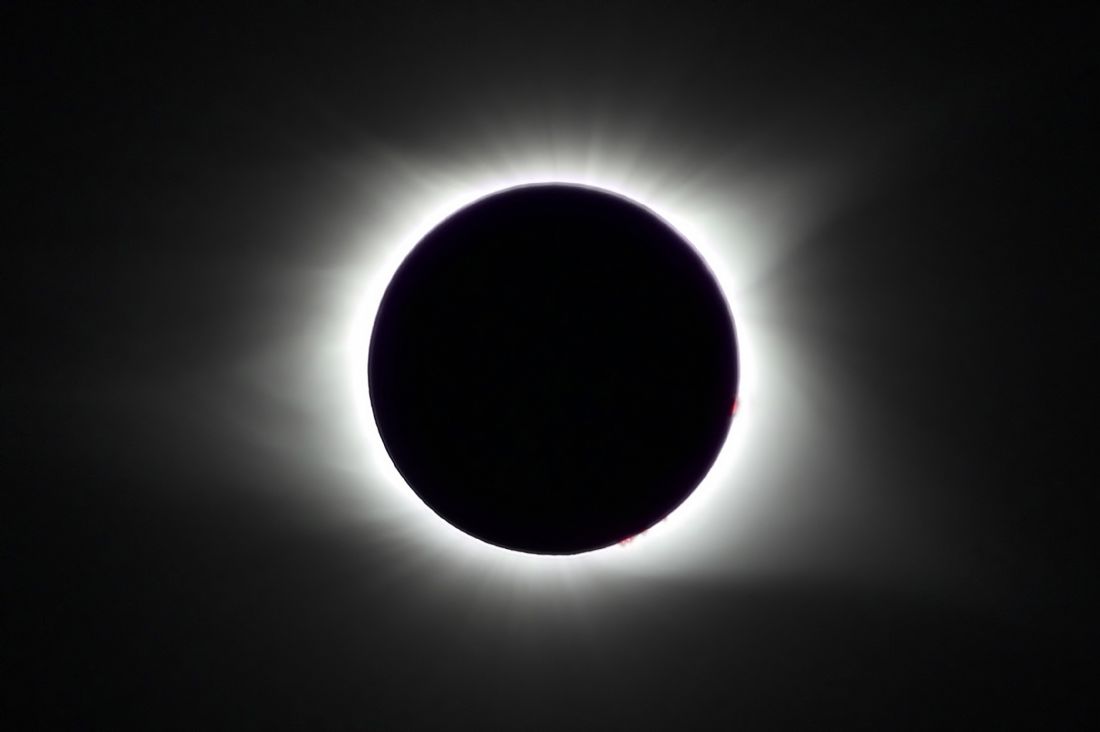
The Total solar eclipse on 21st August 2017 with Solar Prominences visible (Dubbed the Great American solar eclipse).
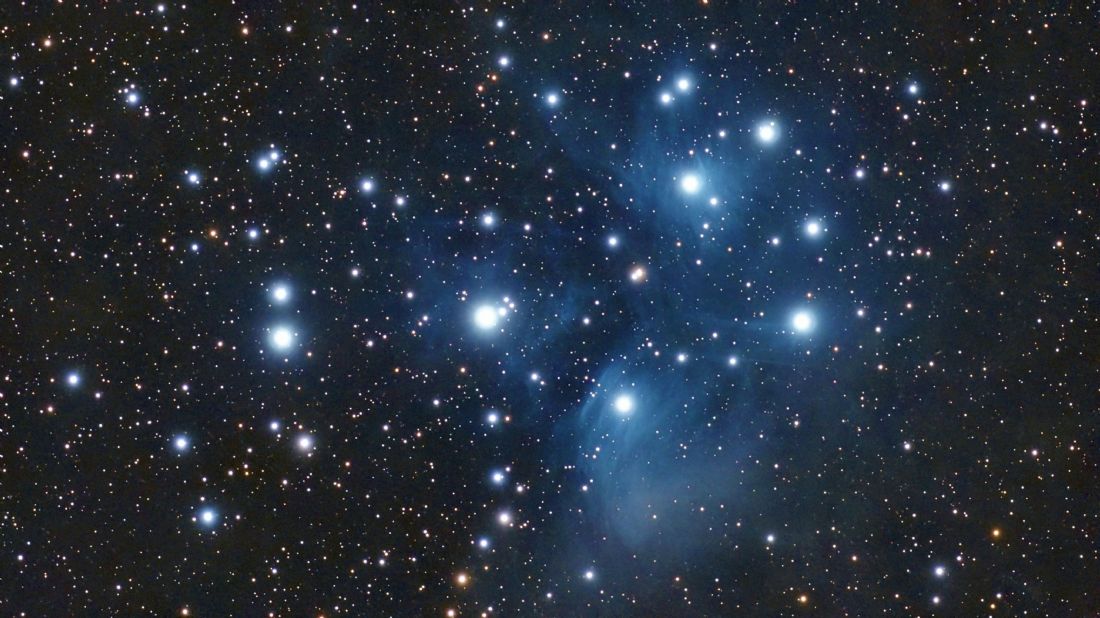
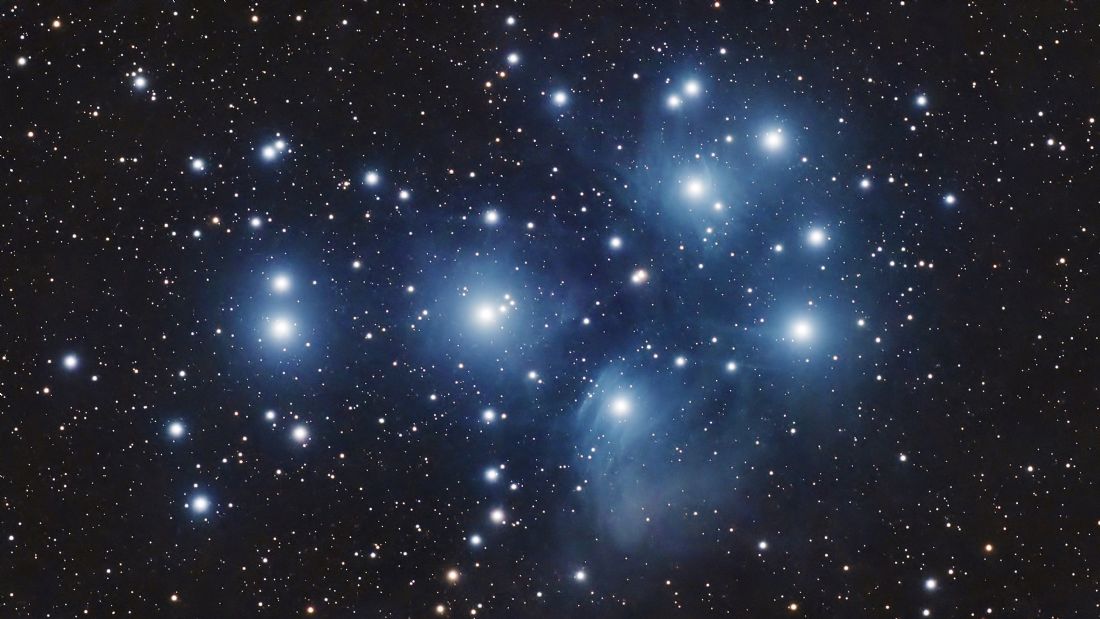
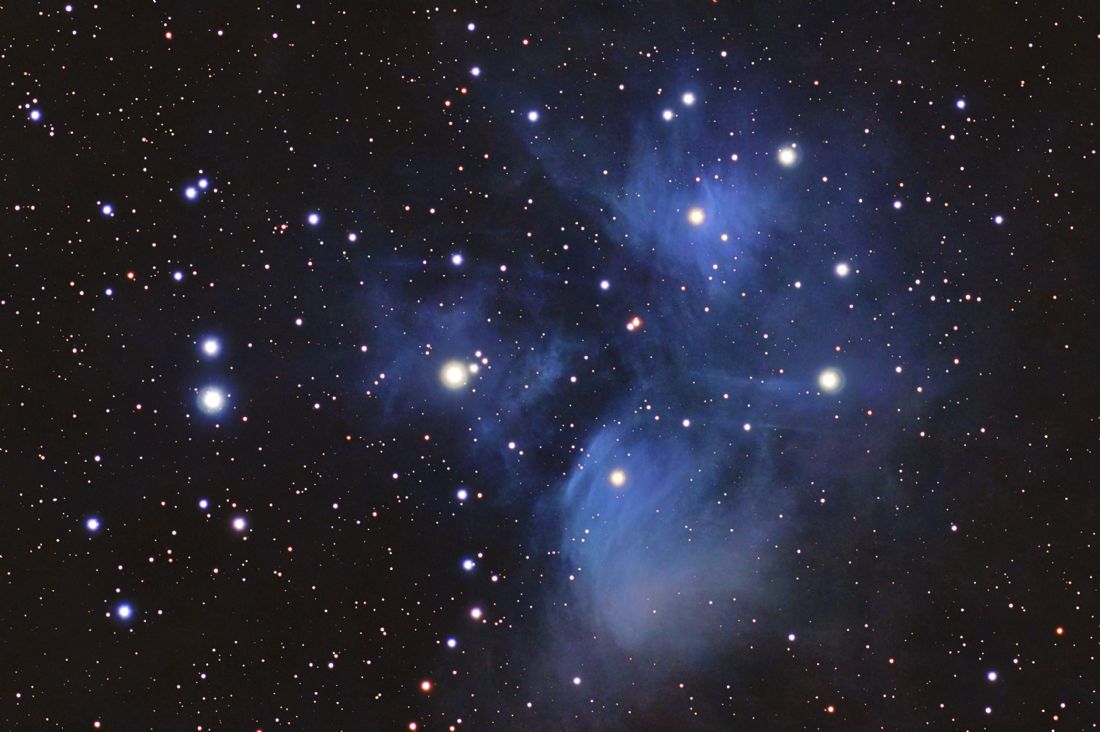
The Pleiades open star cluster taken with the Dwarf 3 smart telescope on 23rd November 2025.
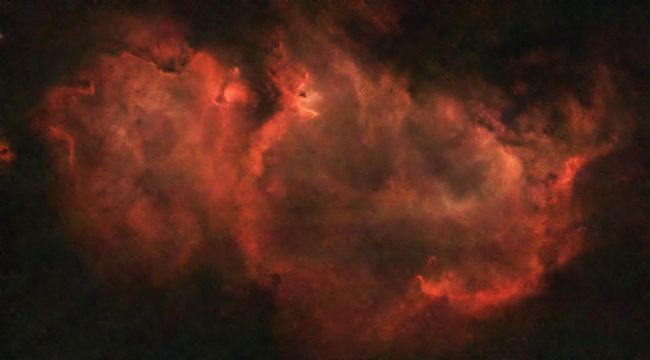
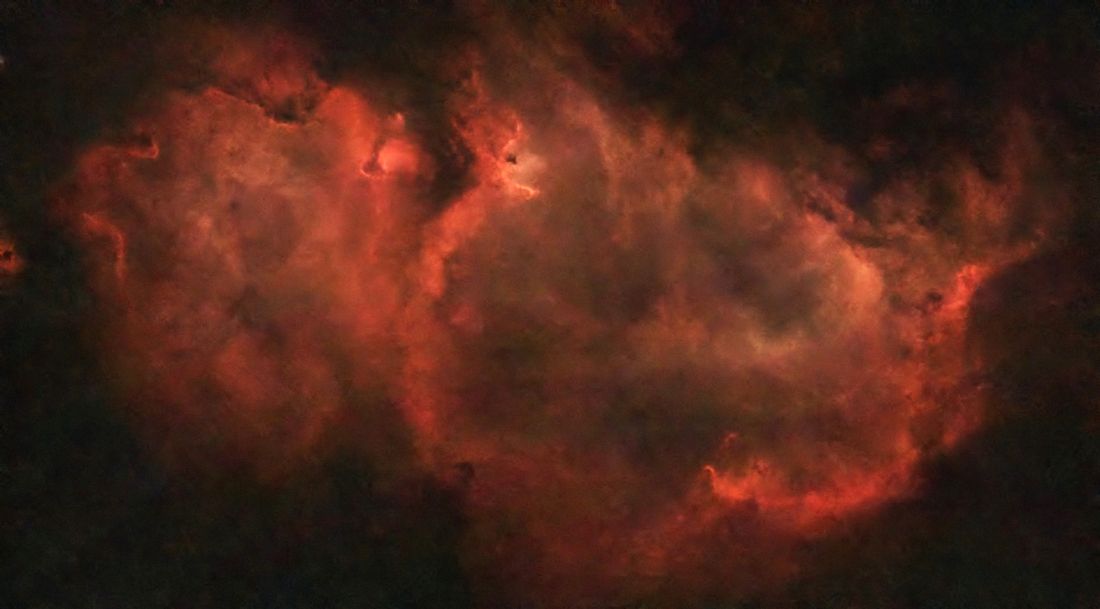
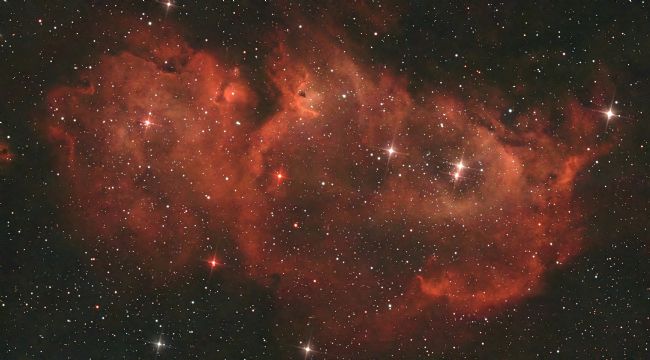
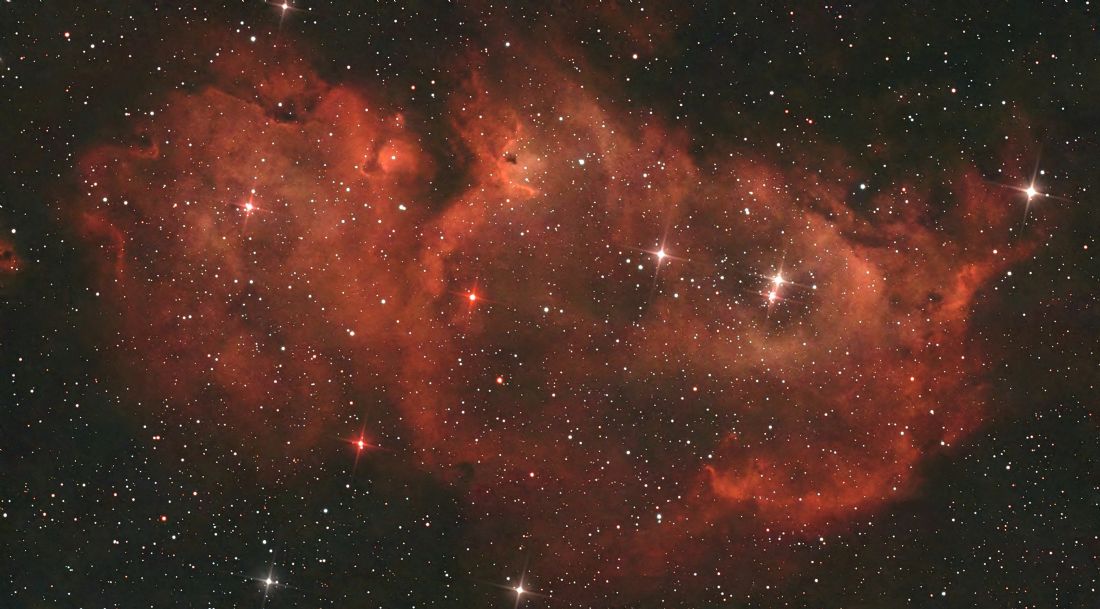
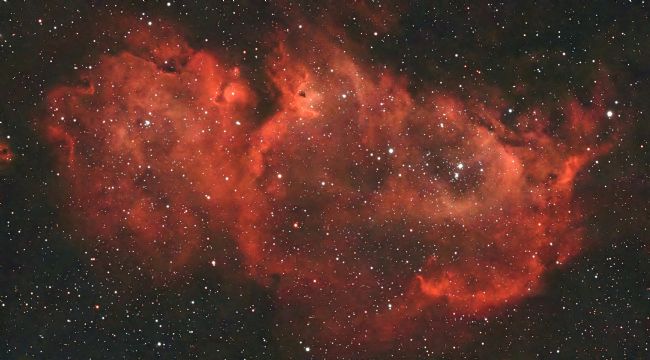
The Soul nebula with stars removed. Taken with the Dwarf Mini smart telescope in December 2025.
Also known as IC 1848, the Soul nebula is an emission nebula located 7,500 lightyears away in the Cassiopeia constellation.
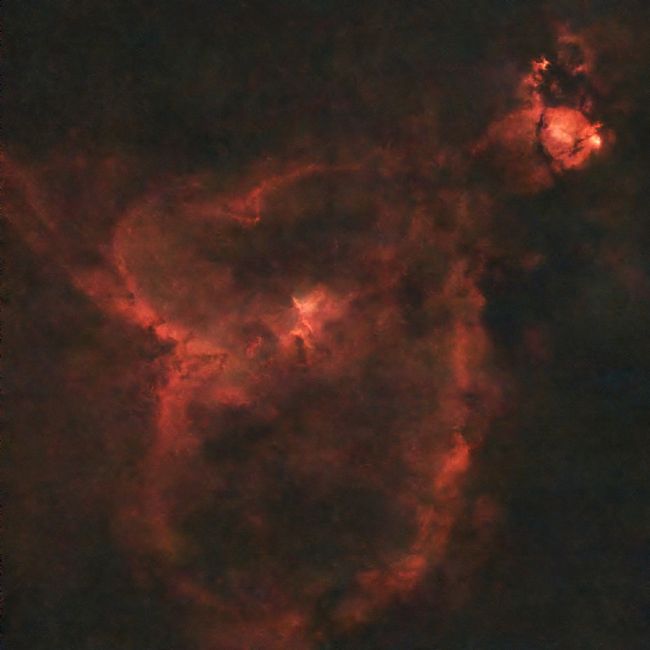
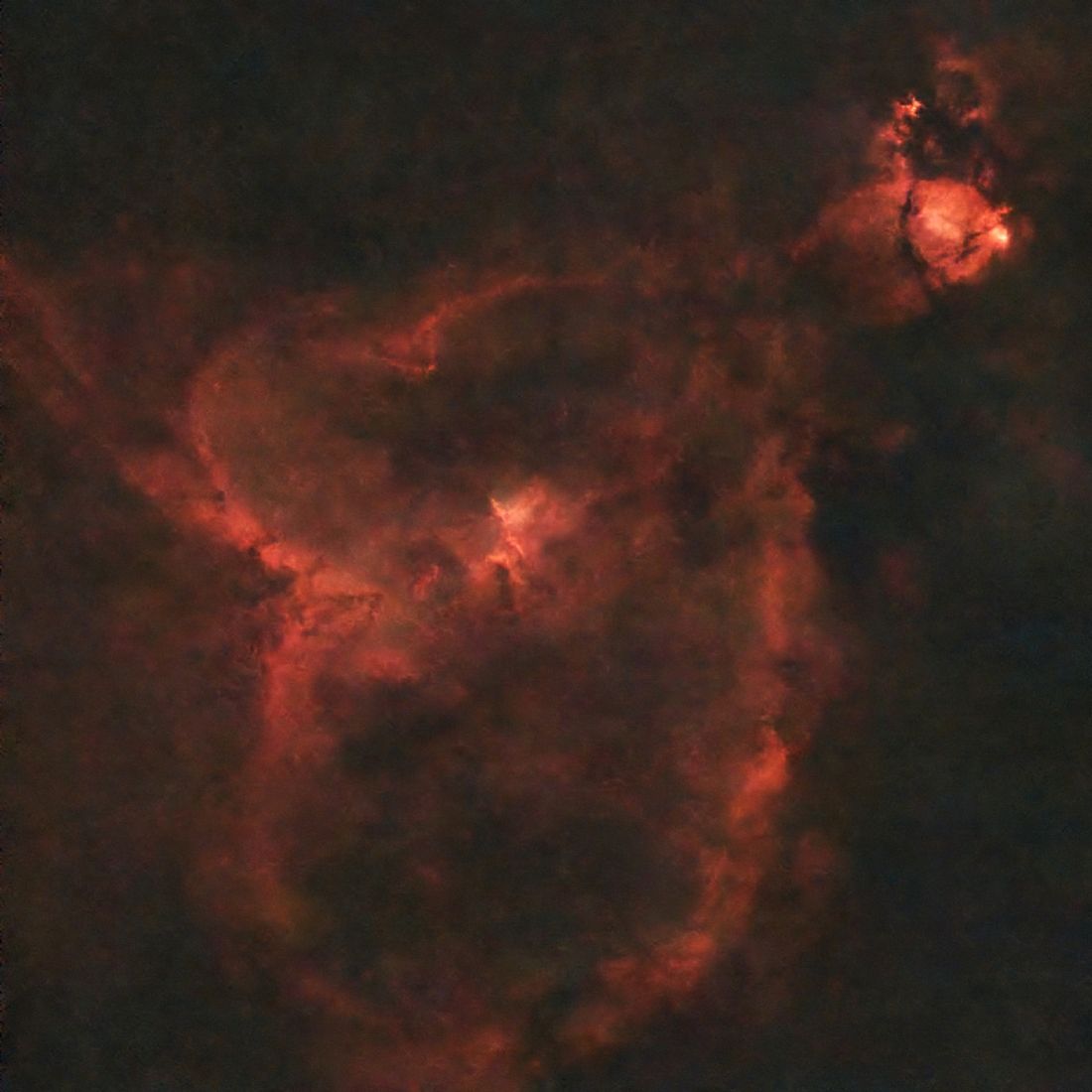
The Heart nebula with stars removed. Taken with the Dwarf Mini smart telescope in April 2026.
Also known as IC 1805, the Heart nebula is an emission nebula located 7,500 lightyears away in the Cassiopeia constellation.
The Soul nebula with star spikes, taken with the Dwarf Mini smart telescope in December 2025.
Also known as IC 1848, the Soul nebula is an emission nebula located 7,500 lightyears away in the Cassiopeia constellation.
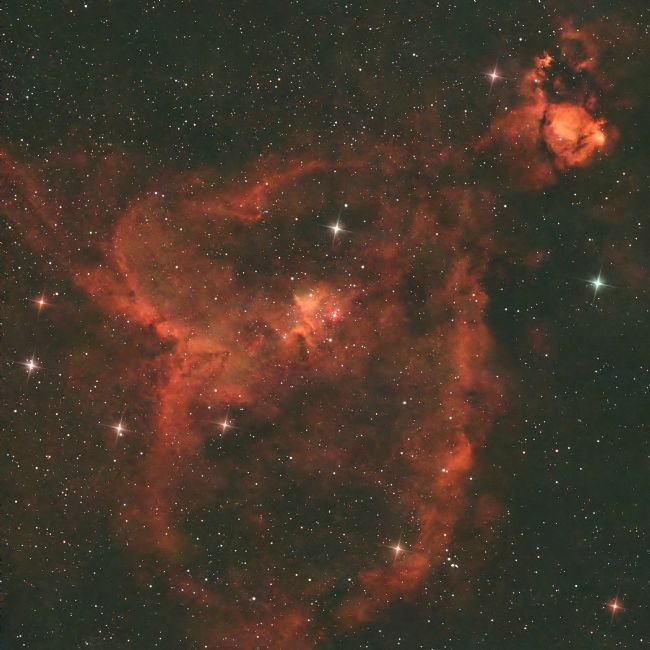
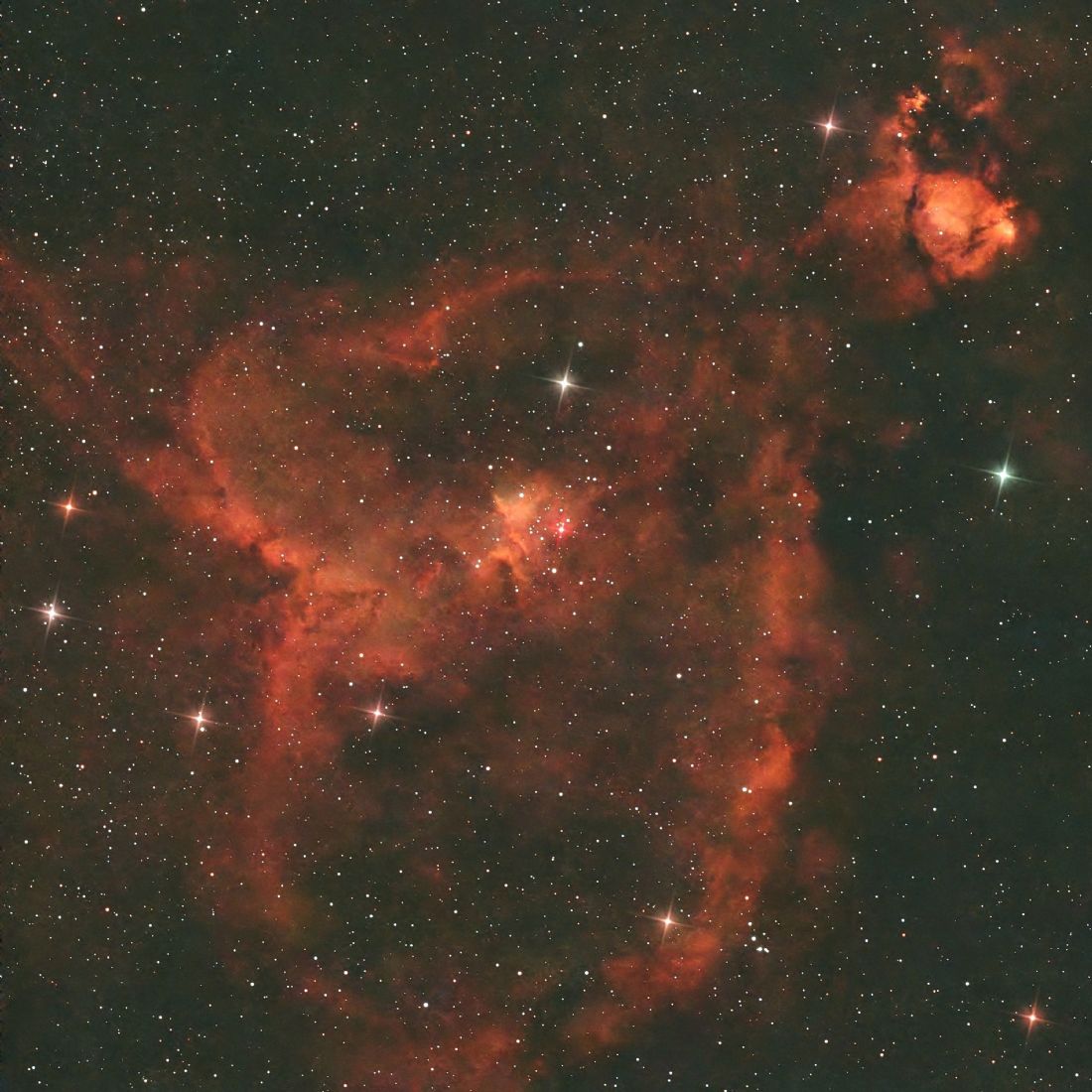
The Heart nebula with star spikes, taken with the Dwarf Mini smart telescope in December 2025.
Also known as IC 1805, the Heart nebula is an emission nebula located 7,500 lightyears away in the Cassiopeia constellation.
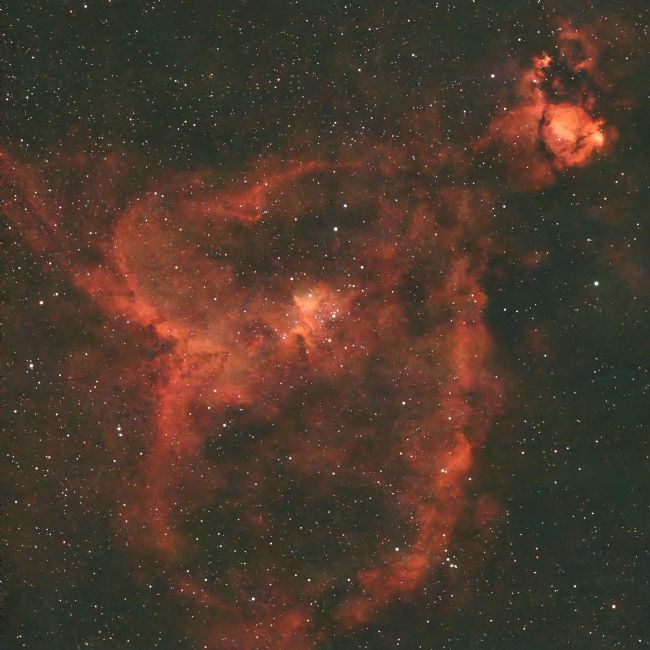
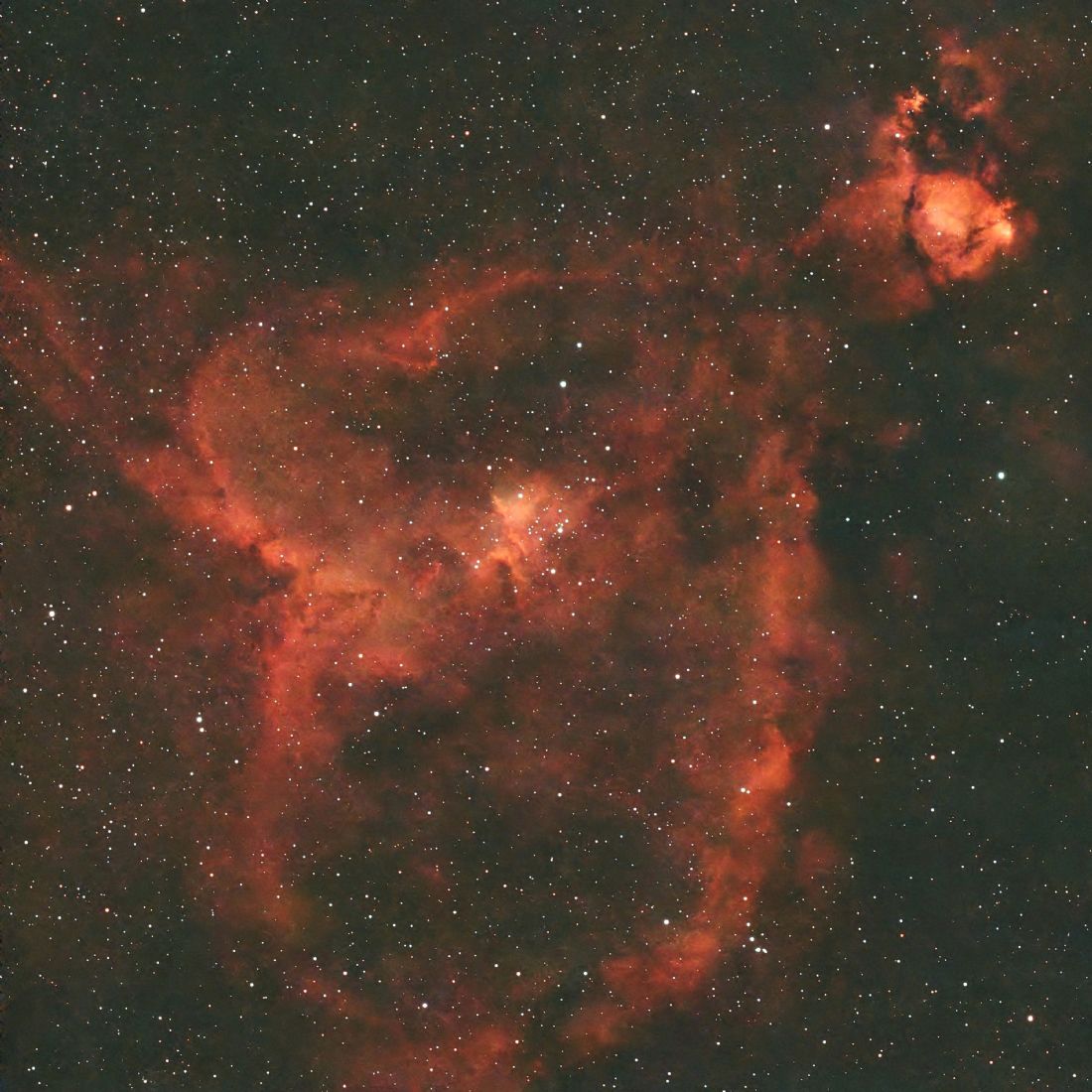
The Heart nebula taken with the Dwarf Mini smart telescope in December 2025.
Also known as IC 1805, the Heart nebula is an emission nebula located 7,500 lightyears away in the Cassiopeia constellation.
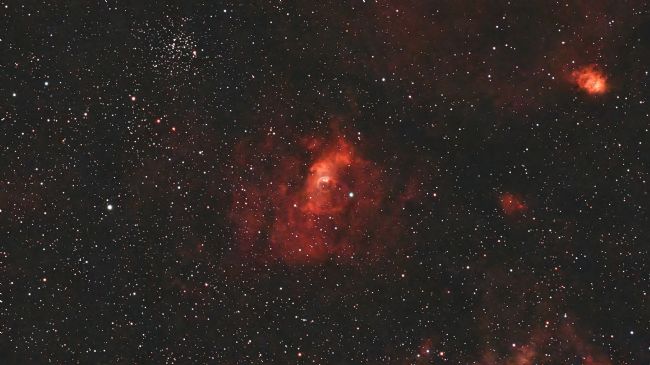
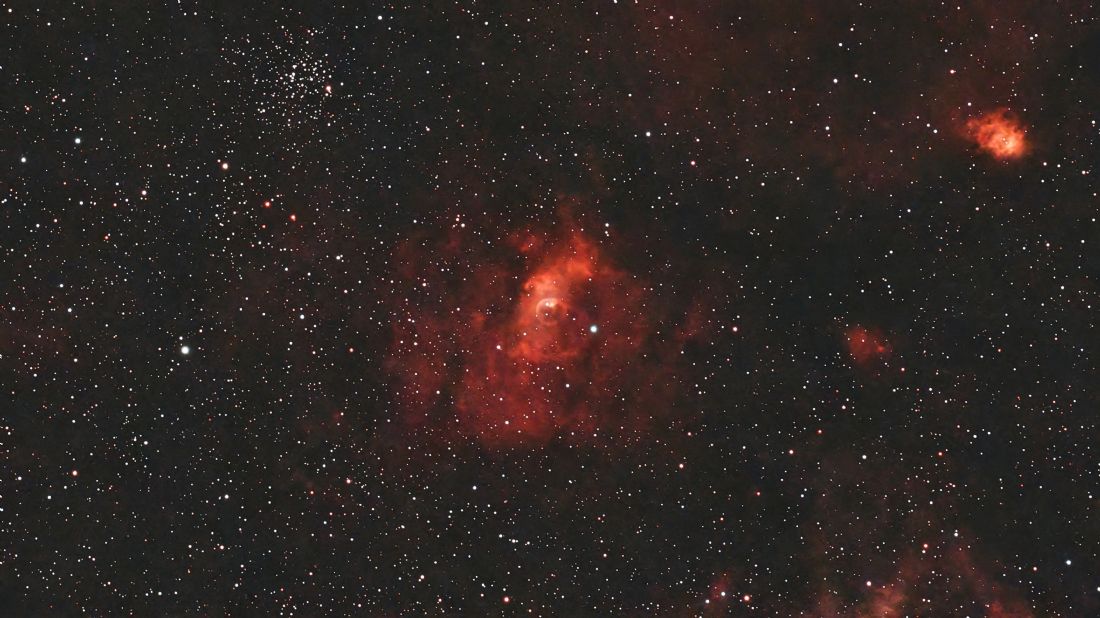
The Bubble nebula, taken with the Dwarf Mini smart telescope in May 2026.
Also known as NGC 7635 and Caldwell 11, the Bubble nebula is an emission nebula located 7,100 lightyears away in the Cassiopeia constellation.
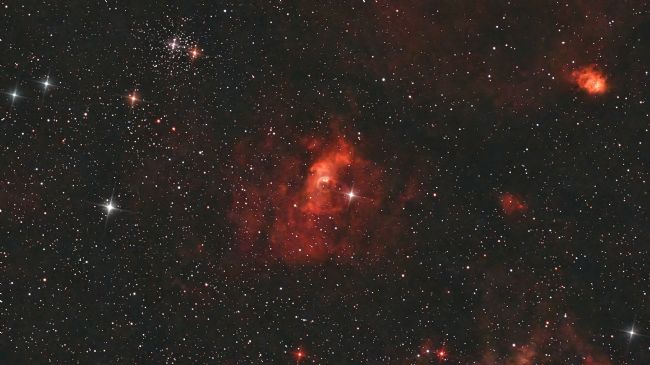
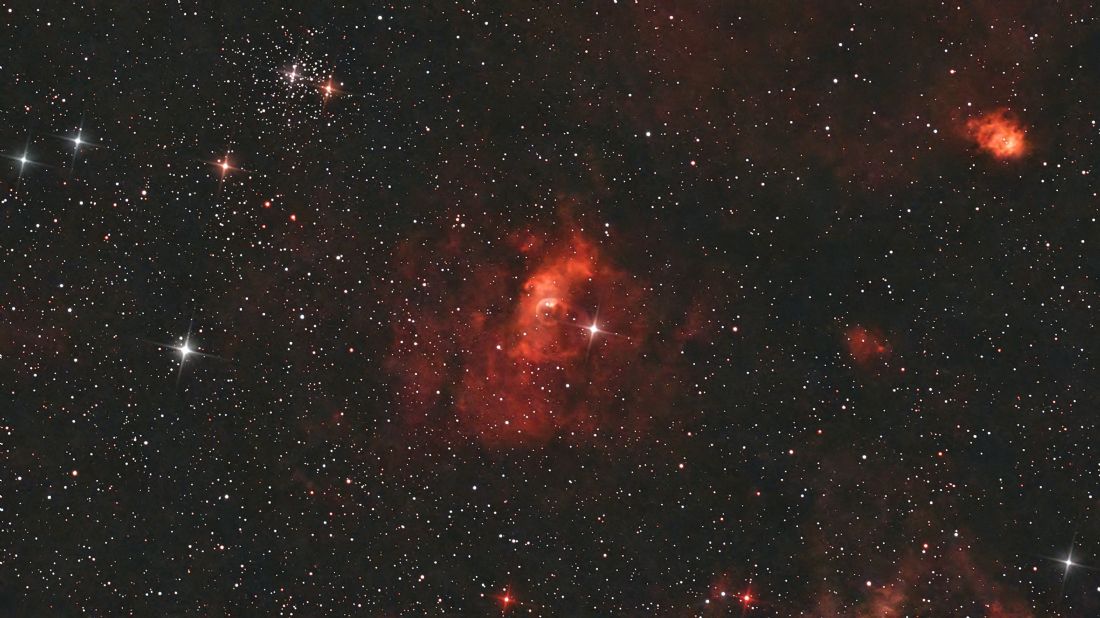
The Bubble nebula with star spikes, taken with the Dwarf Mini smart telescope in May 2026.
Also known as NGC 7635 and Caldwell 11, the Bubble nebula is an emission nebula located 7,100 lightyears away in the Cassiopeia constellation.
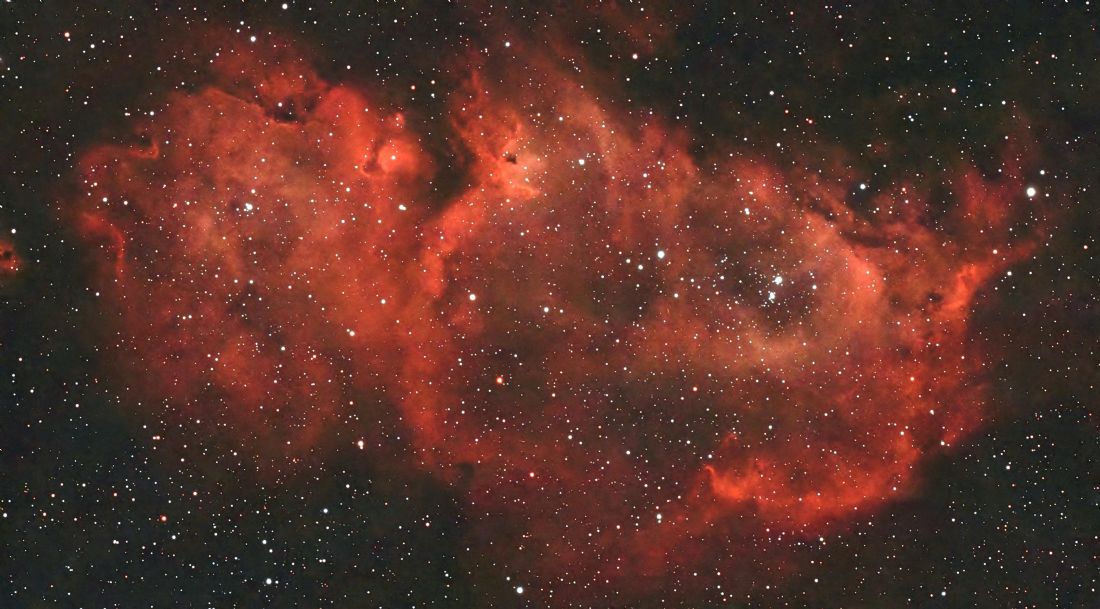
The Soul nebula, taken with the Dwarf Mini smart telescope in December 2025.
Also known as IC 1848, the Soul nebula is an emission nebula located 7,500 lightyears away in the Cassiopeia constellation.
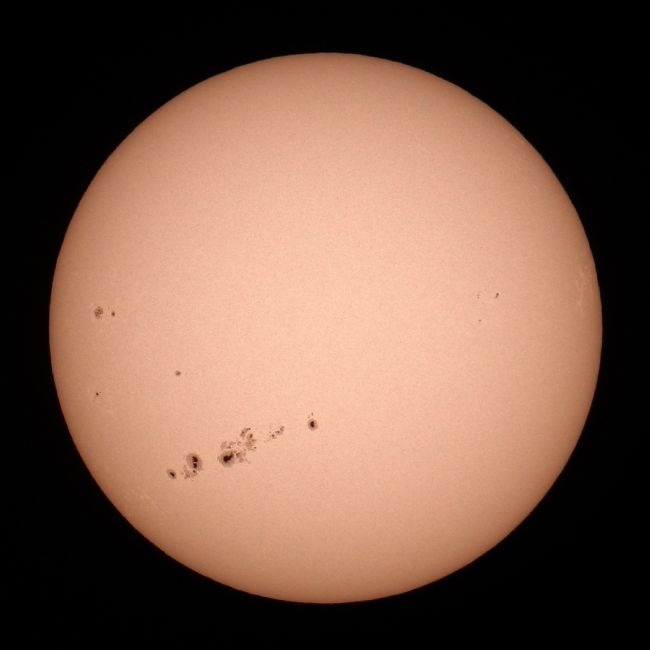
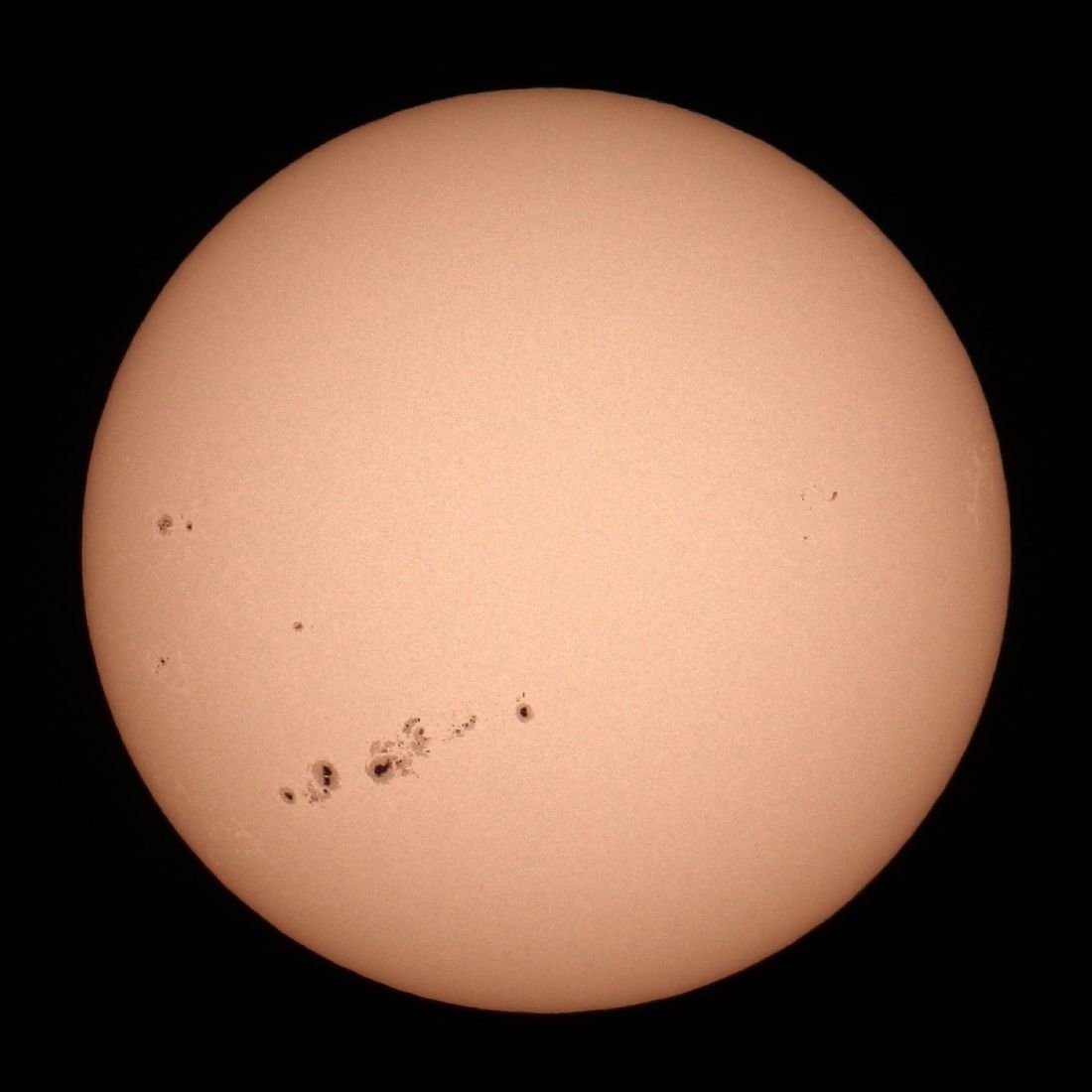
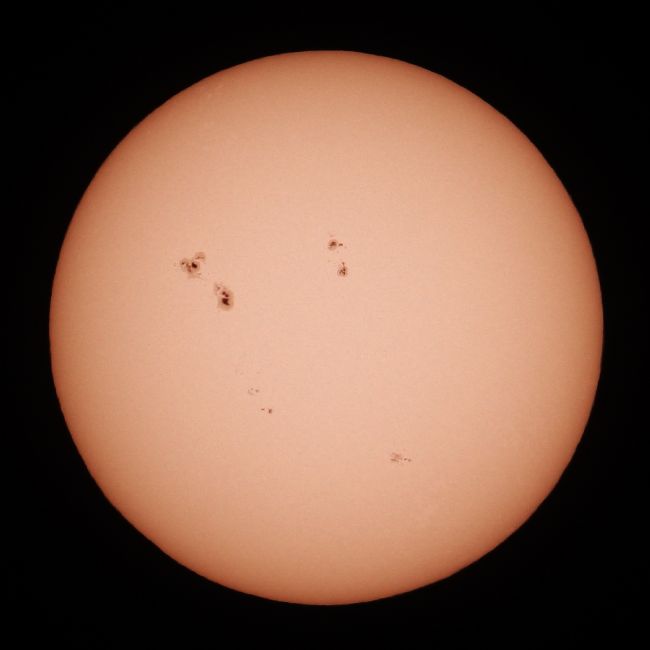
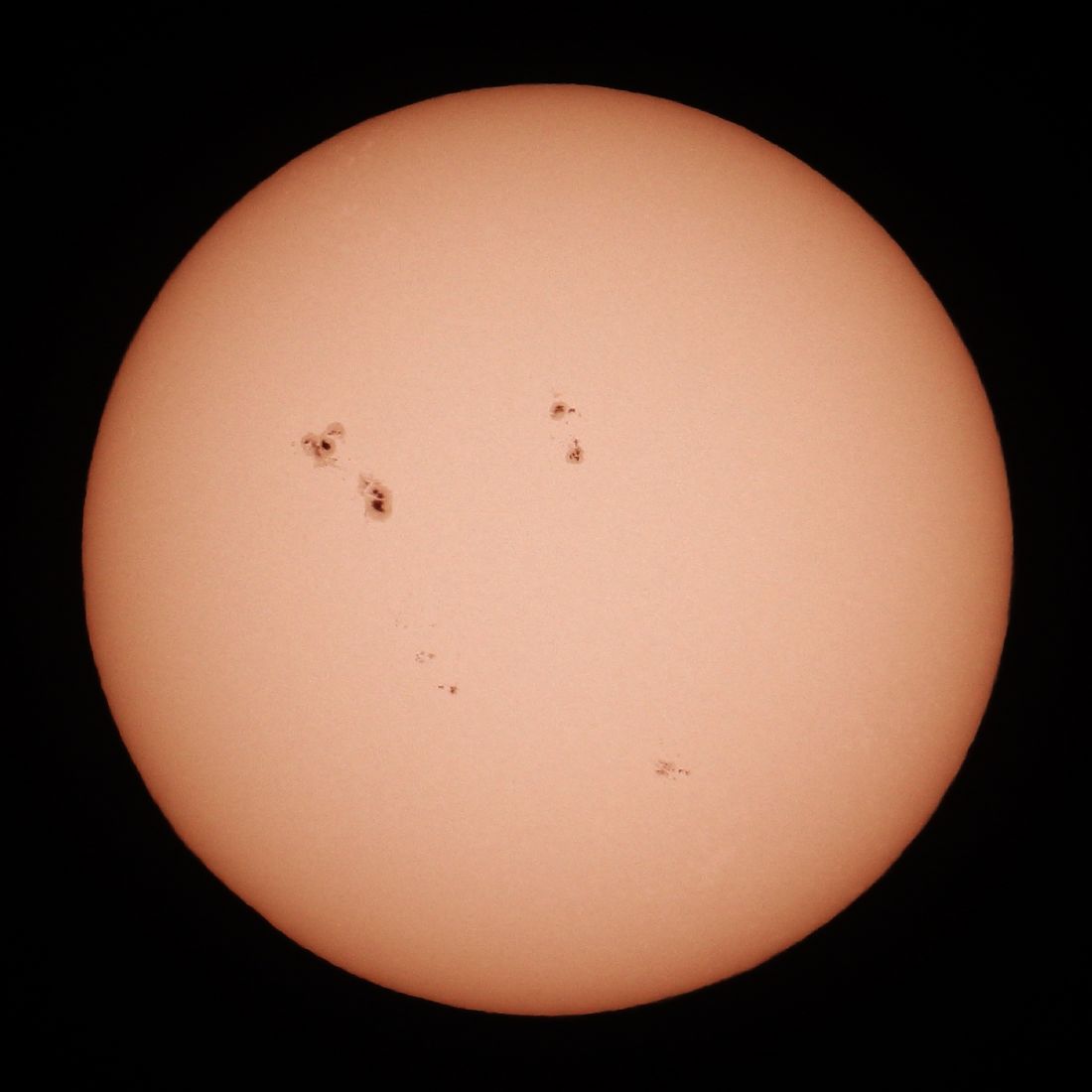
Our Sun on the 3rd December 2025 with sunspot groups visible. Sunspots are dark, planet-sized regions that appear on the Sun and they look dark because they are cooler than their surroundings.
Our Sun on the 28th June 2026 with sunspot groups visible. Sunspots are dark, planet-sized regions that appear on the Sun and they look dark because they are cooler than their surroundings.
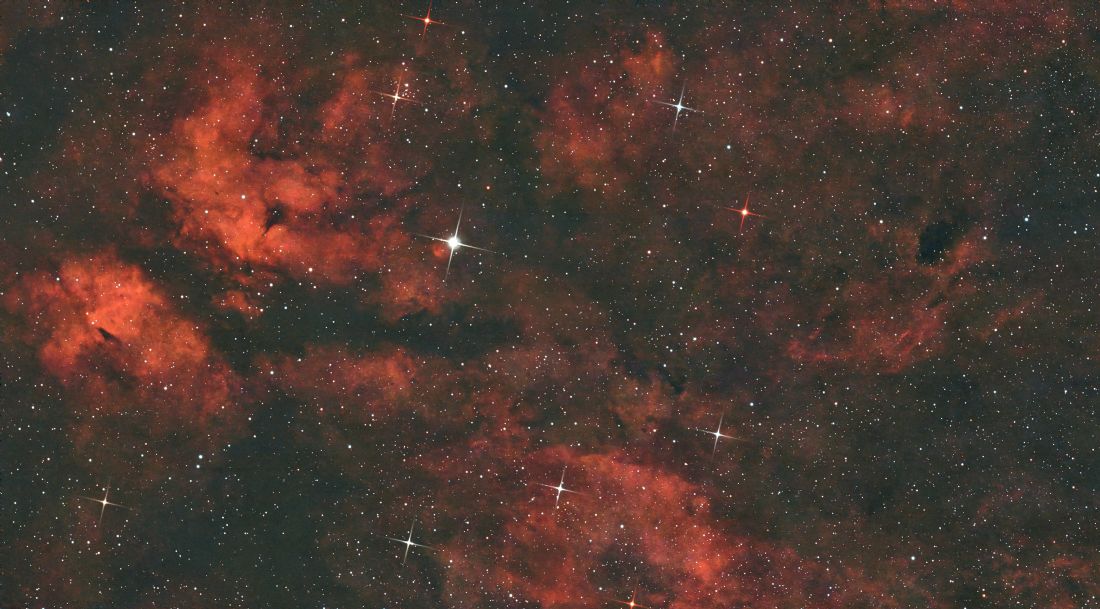
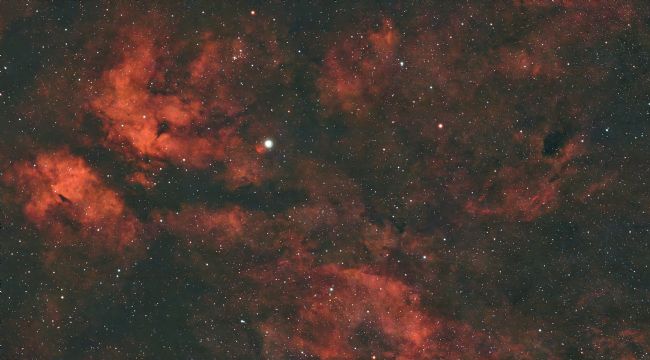
Sadr star and nebulosity with star spikes, taken with the Dwarf Mini smart telescope in May 2026.
Sadr is a star that sits at the heart of the Northern Cross within a bright portion of the Milky Way, on the edge of a dark region known as the Cygnus Rift where the Milky Way appears to split in two.
The region around Sadr contains nebula IC 1318.
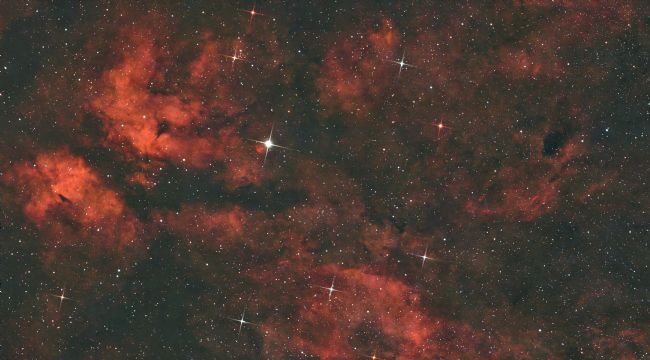
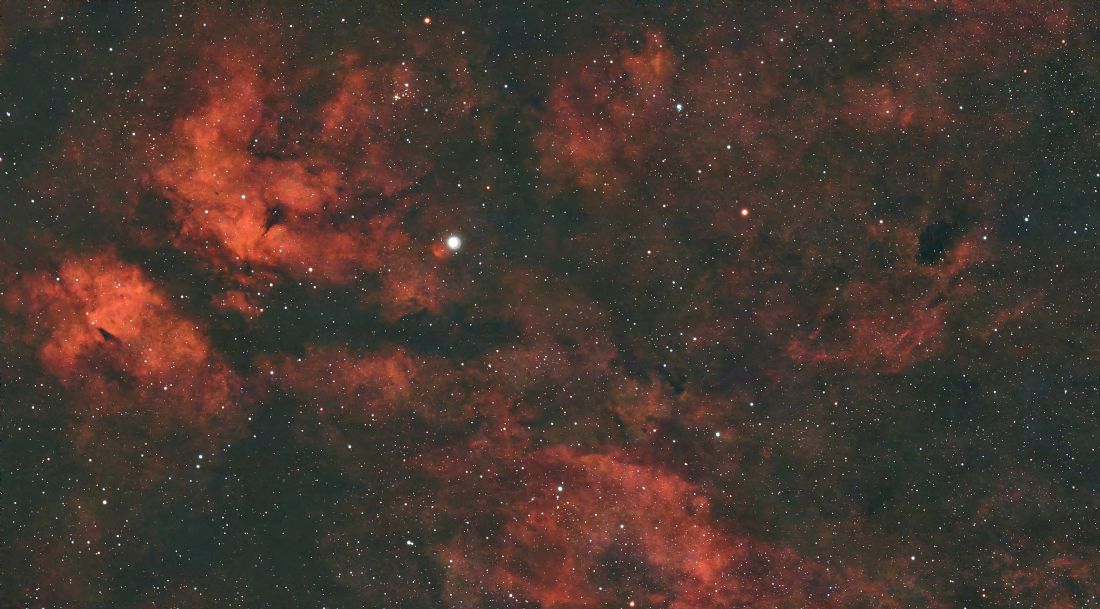
Sadr star and nebulosity, taken with the Dwarf Mini smart telescope in May 2026.
Sadr is a star that sits at the heart of the Northern Cross within a bright portion of the Milky Way, on the edge of a dark region known as the Cygnus Rift where the Milky Way appears to split in two.
The region around Sadr contains nebula IC 1318.
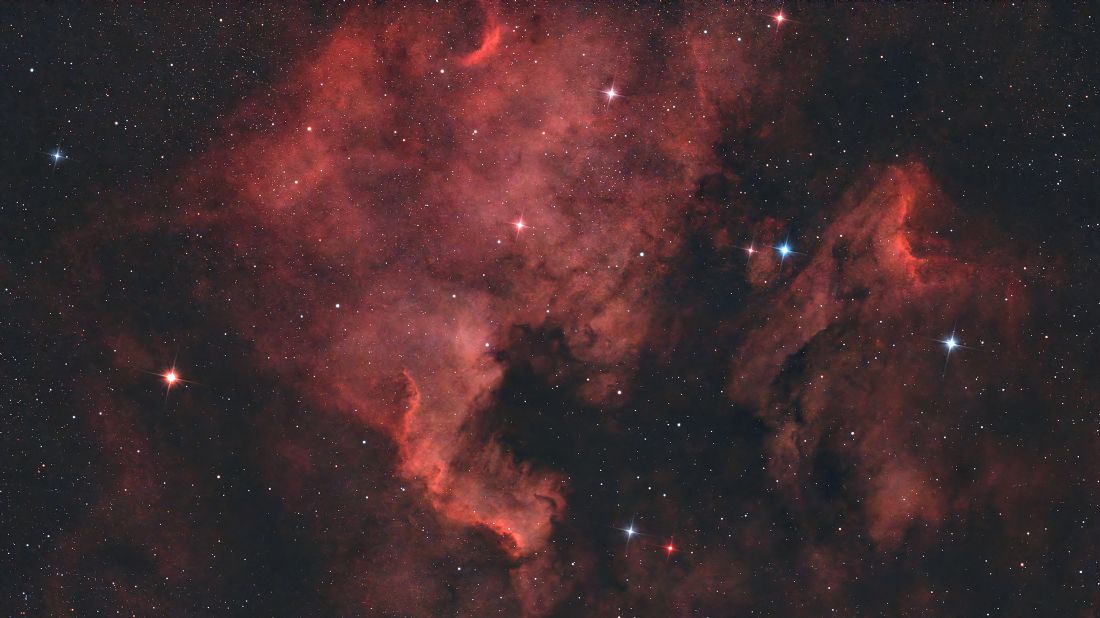
The North American nebula and Pelican nebula with star spikes, taken with the Dwarf Mini smart telescope in July 2026.
NGC 7000 is an emission nebula found in the Cygnus constellation, known as the North America Nebula due to its similarity in shape to the continent. Pictured here with IC 5070 (the Pelican nebula), a fellow emission nebula, NGC 7000 is 1,700 lightyears away and measures 100 lightyears across.
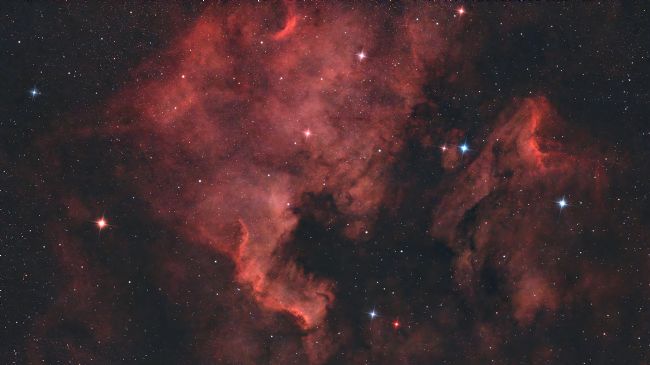
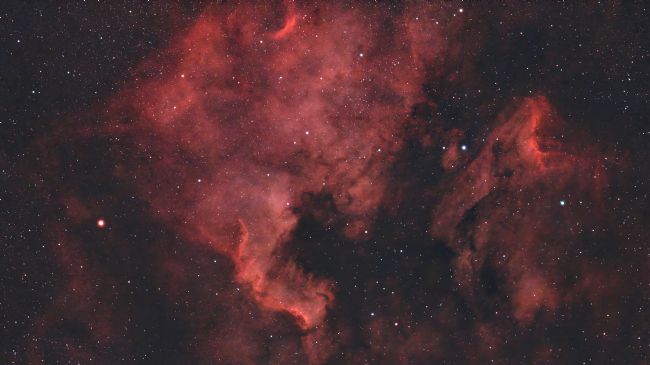
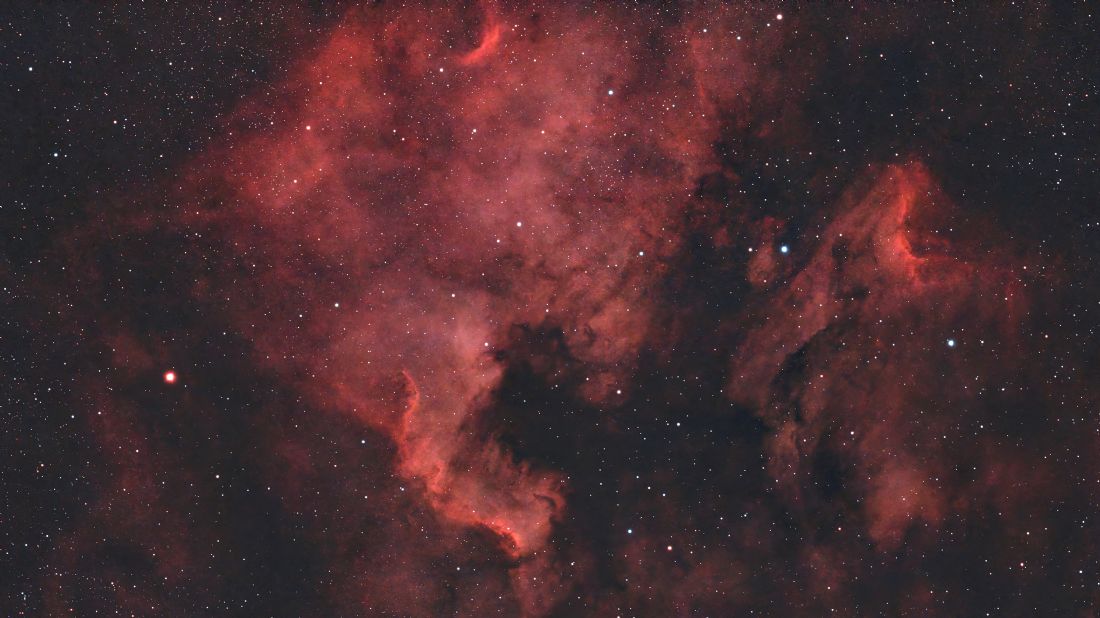
The North American nebula and Pelican nebula taken with the Dwarf Mini smart telescope in July 2026.
NGC 7000 is an emission nebula found in the Cygnus constellation, known as the North America Nebula due to its similarity in shape to the continent. Pictured here with IC 5070 (the Pelican nebula), a fellow emission nebula, NGC 7000 is 1,700 lightyears away and measures 100 lightyears across.
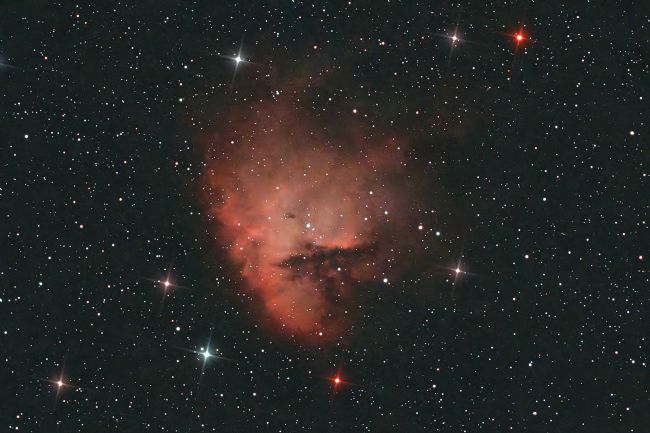
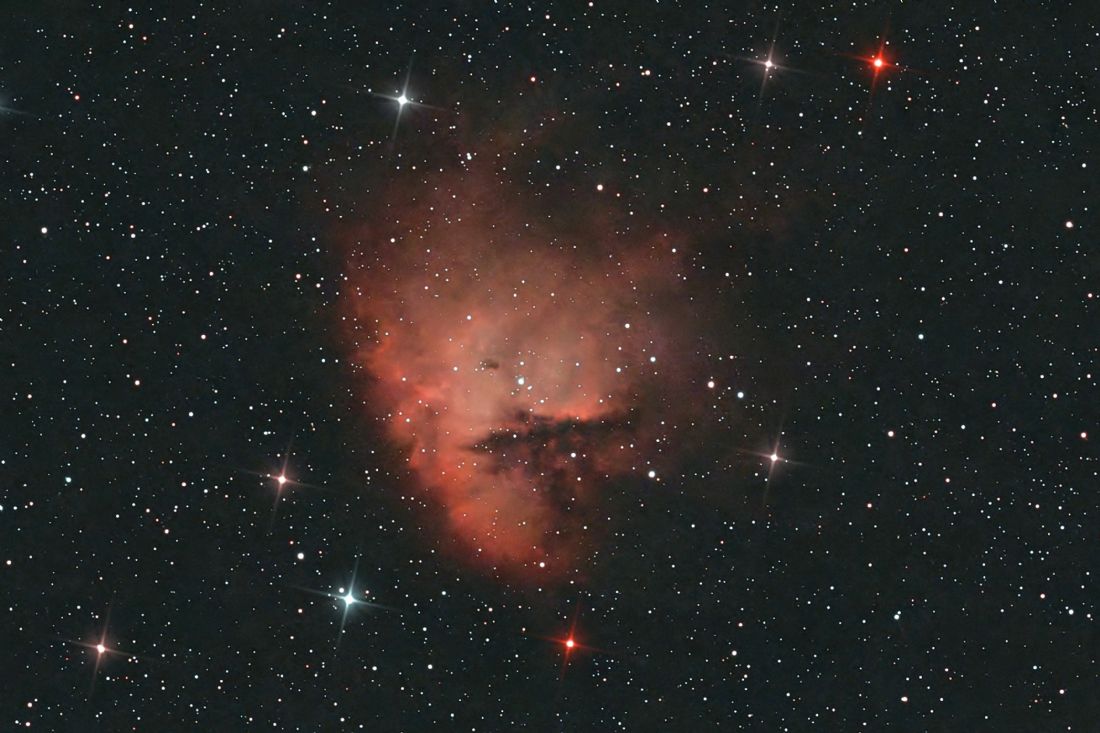
The Pacman nebula taken with the Dwarf Mini smart telescope in July 2026.
NGC 281, known as the Pacman nebula, is a bright emission nebula located in the constellation of Cassiopeia, about 6500 lightyears from Earth.
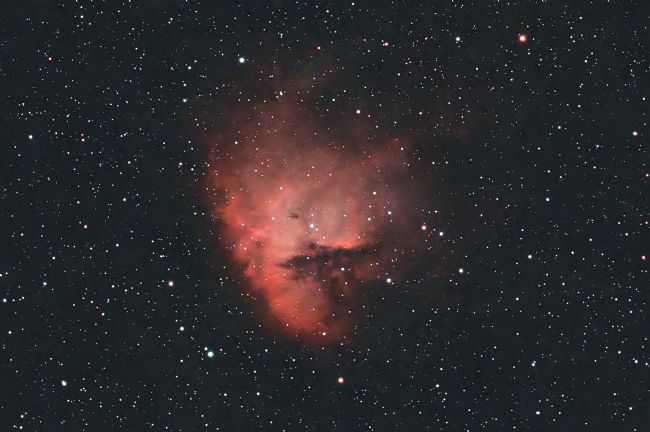
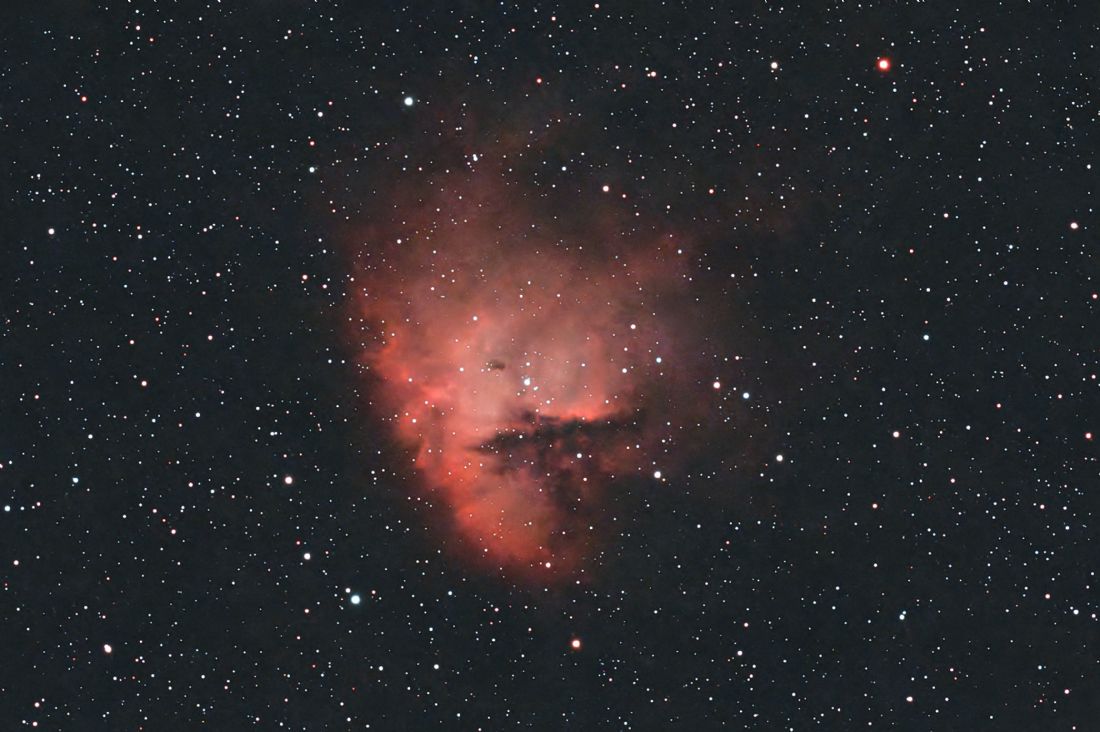
The Pacman nebula taken with the Dwarf Mini smart telescope in July 2026.
NGC 281, known as the Pacman nebula, is a bright emission nebula located in the constellation of Cassiopeia, about 6,500 lightyears from Earth.
The Pleiades open star cluster taken with the Dwarf Mini smart telescope on 23rd November 2025.
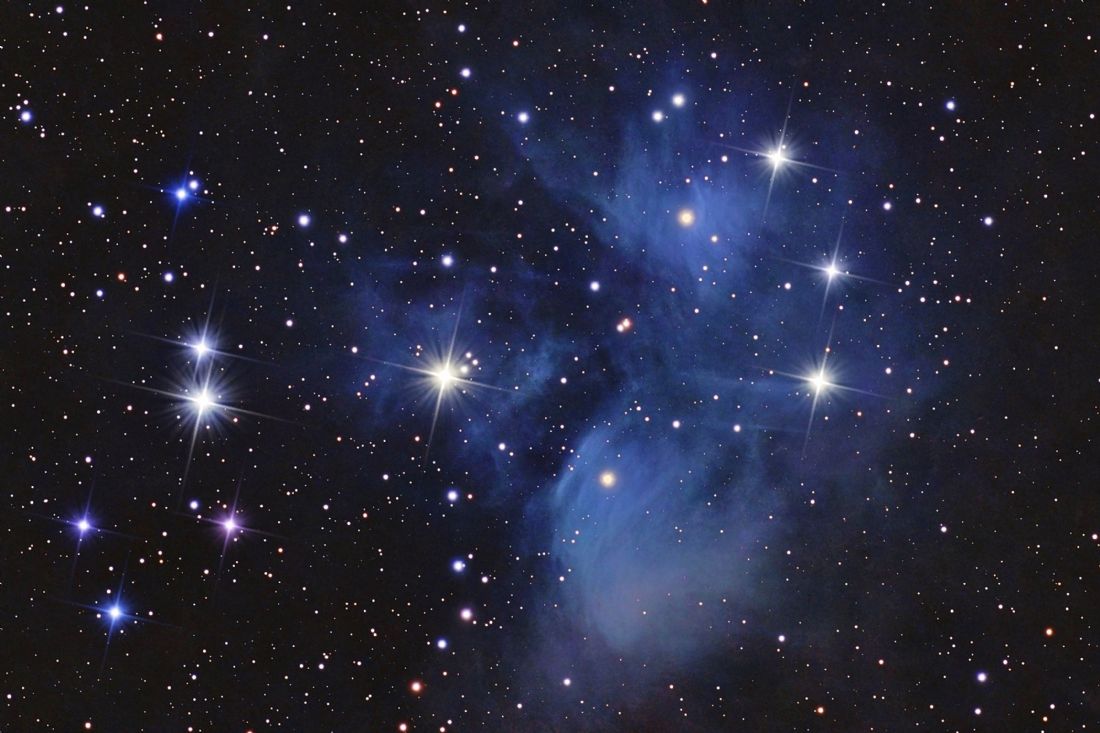
The Pleiades open star cluster with star spikes, taken with the Dwarf Mini smart telescope on 23rd November 2025.
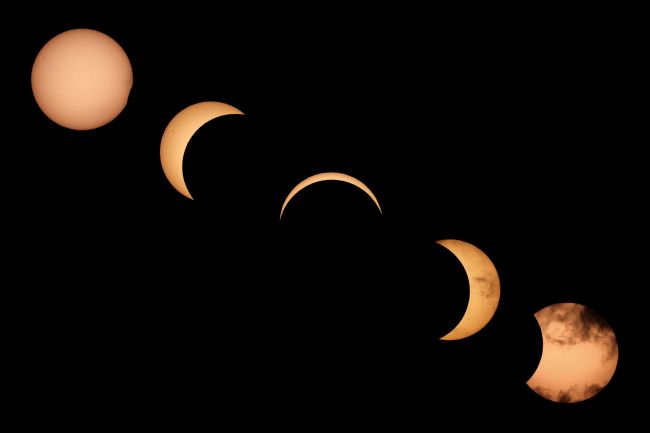
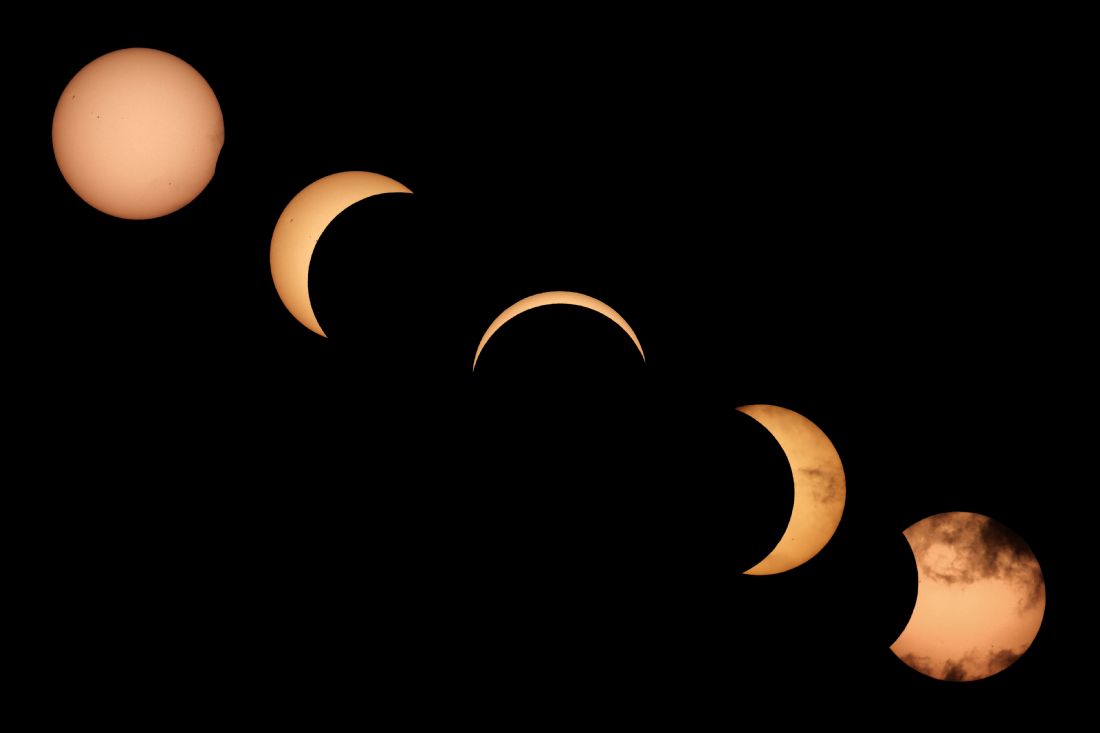
A collage of the 93% partial solar eclipse on 12th August 2026 from the UK.
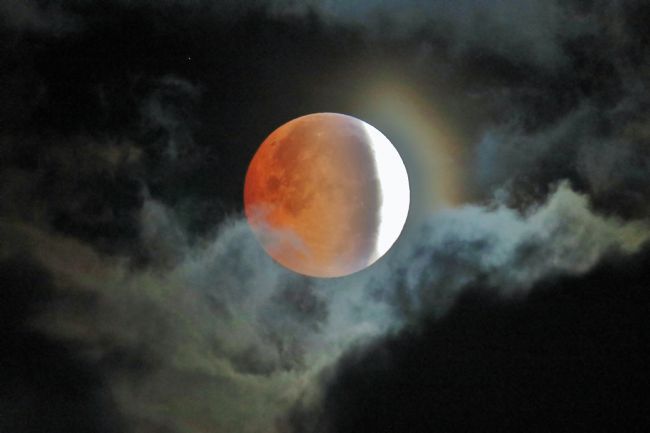
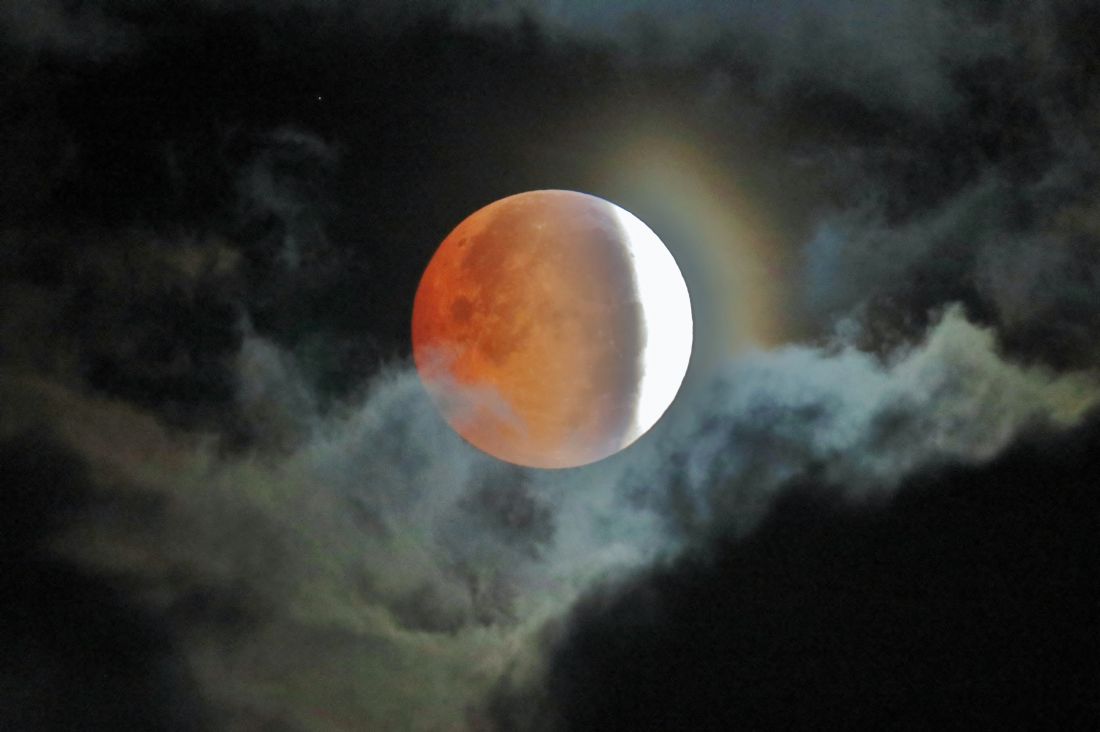
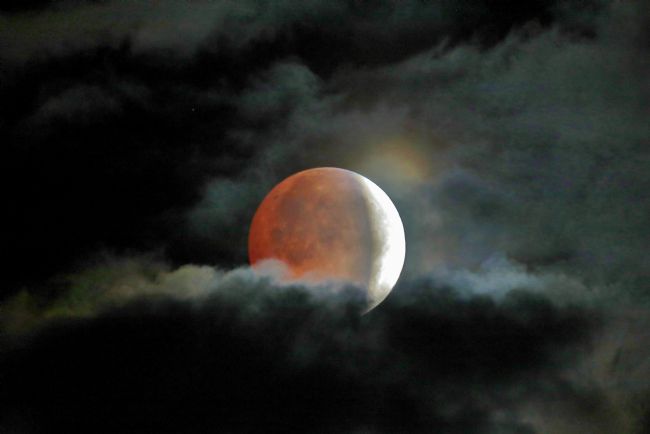
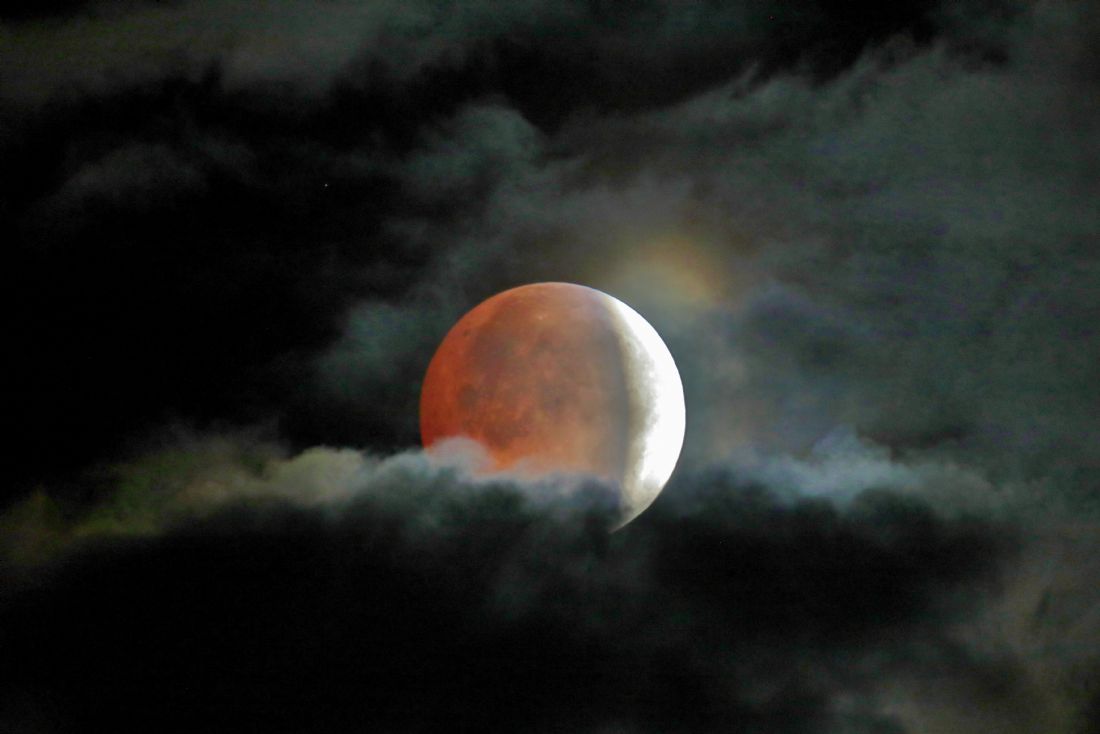
A partial eclipse of the Full Sturgeon Moon from Bishops Cleeve on 28th August 2026.
A partial eclipse of the Full Sturgeon Moon from Bishops Cleeve on 28th August 2026.