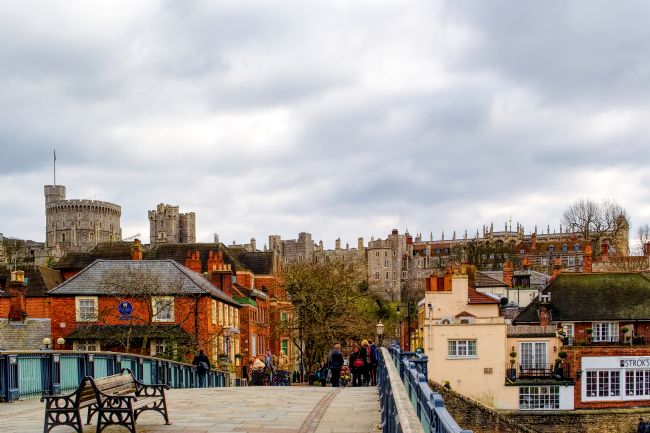
Windsor Castle from Eton Bridge accross the Thames
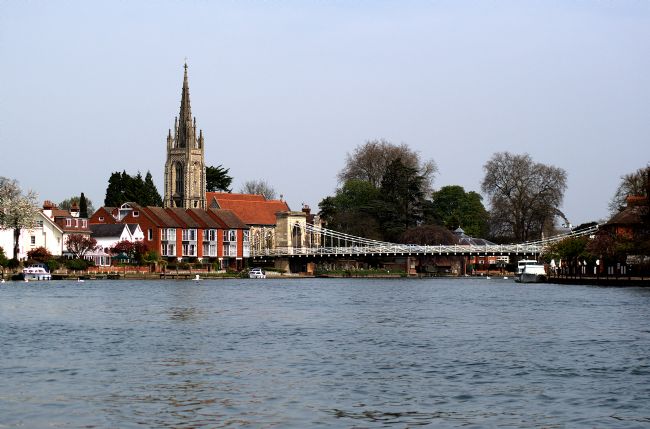
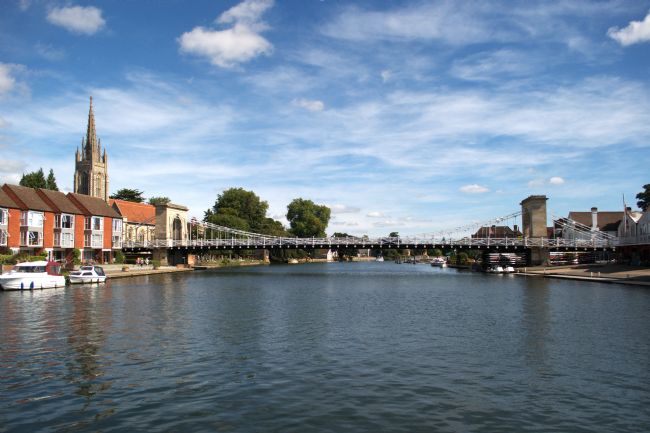
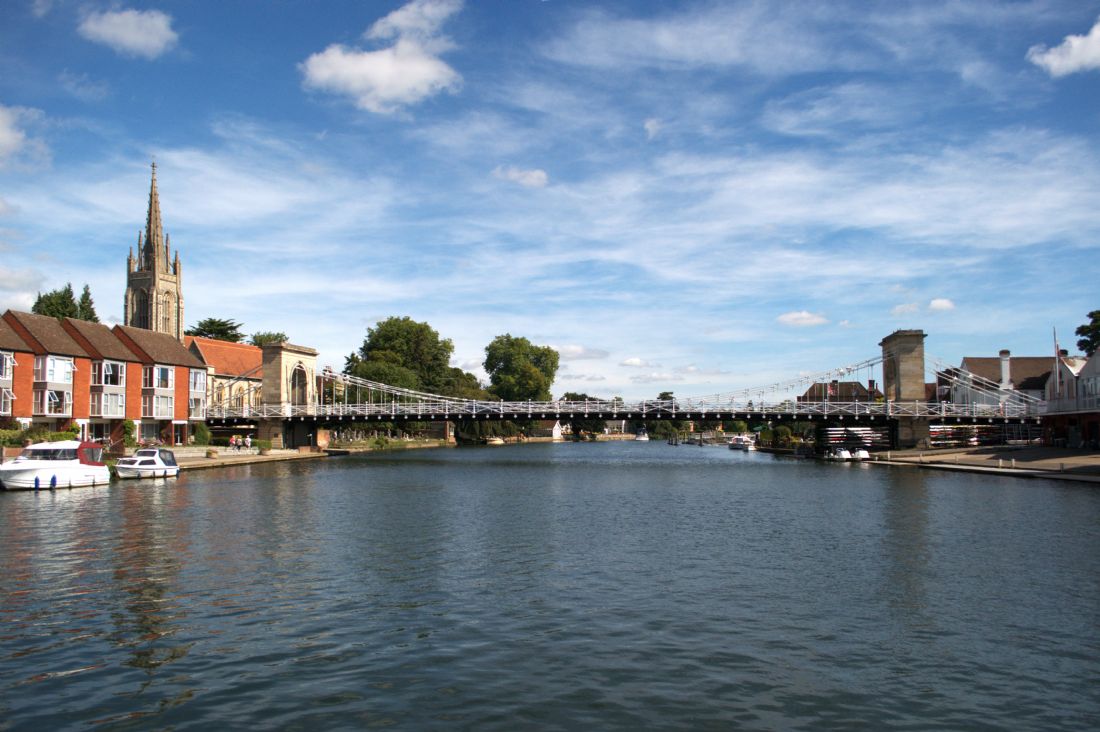
Marlow is a town in Buckinghamshire situated on the river Thames
Marlow Bridge and All Saints Church
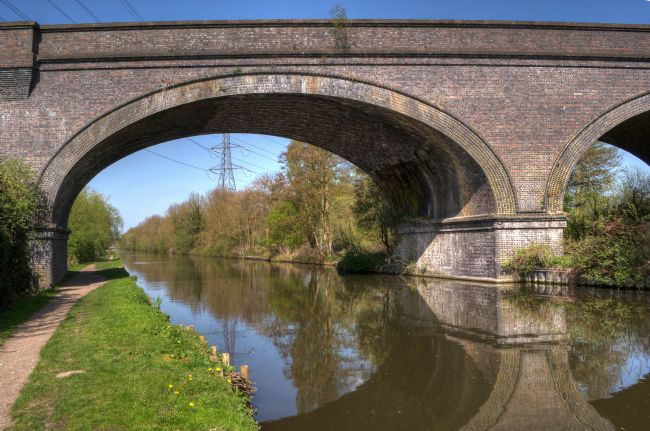
Grand Union Canal Bridge 181
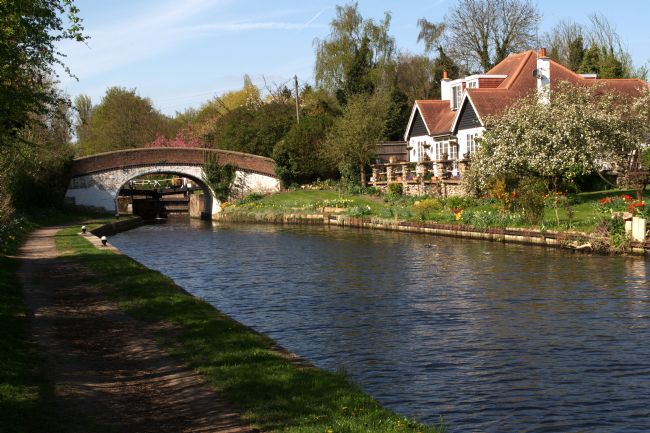
Black Jacks on the Grand Union
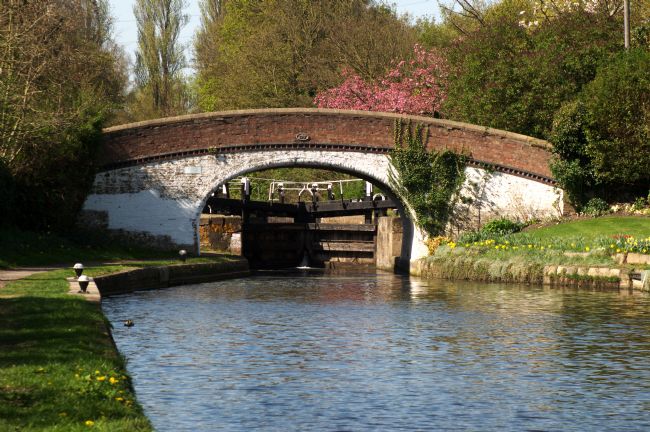
Black Jacks Bridge and Lock
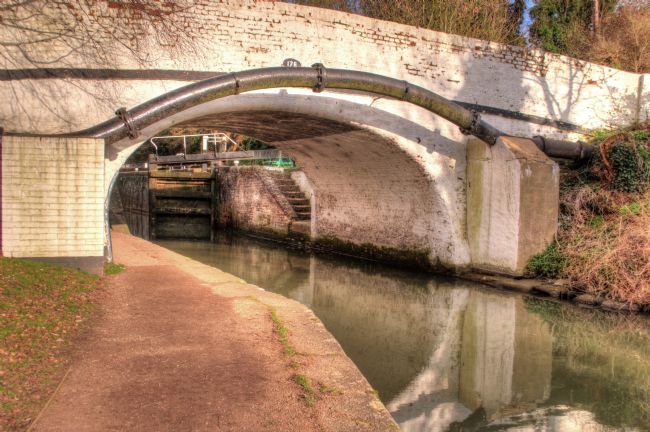
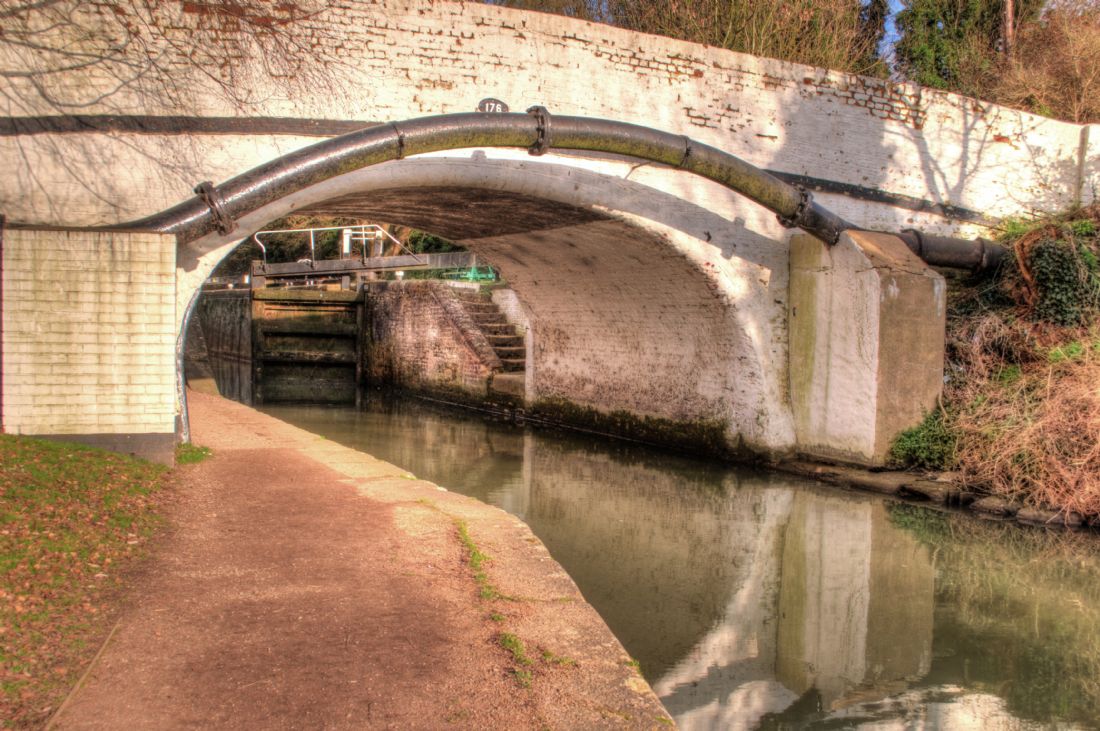
Springwell Lane Bridge (176), which goes over the Grand Union Canal by Springwell Lock near Rickmansworth.
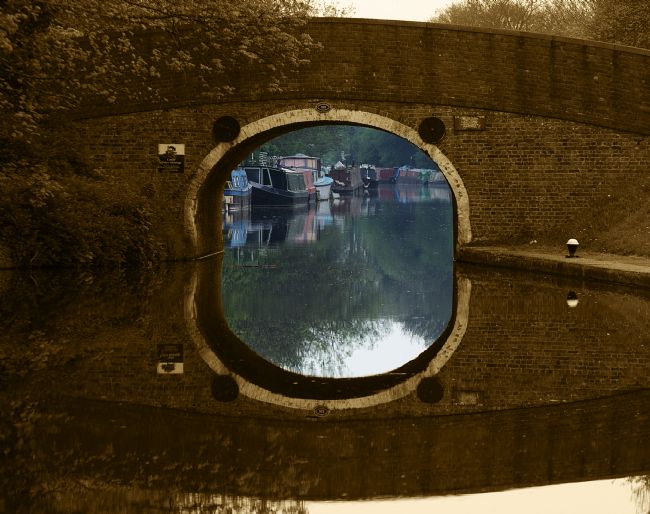
Houseboats on the Grand Union Canal at Cowley West London. The pub at this location, and Cowley Lock, was used in an episode of Lewis first broadcast 9th May 2010.. It won first prize in a competition run by Thames21 for images of Londons waterways.
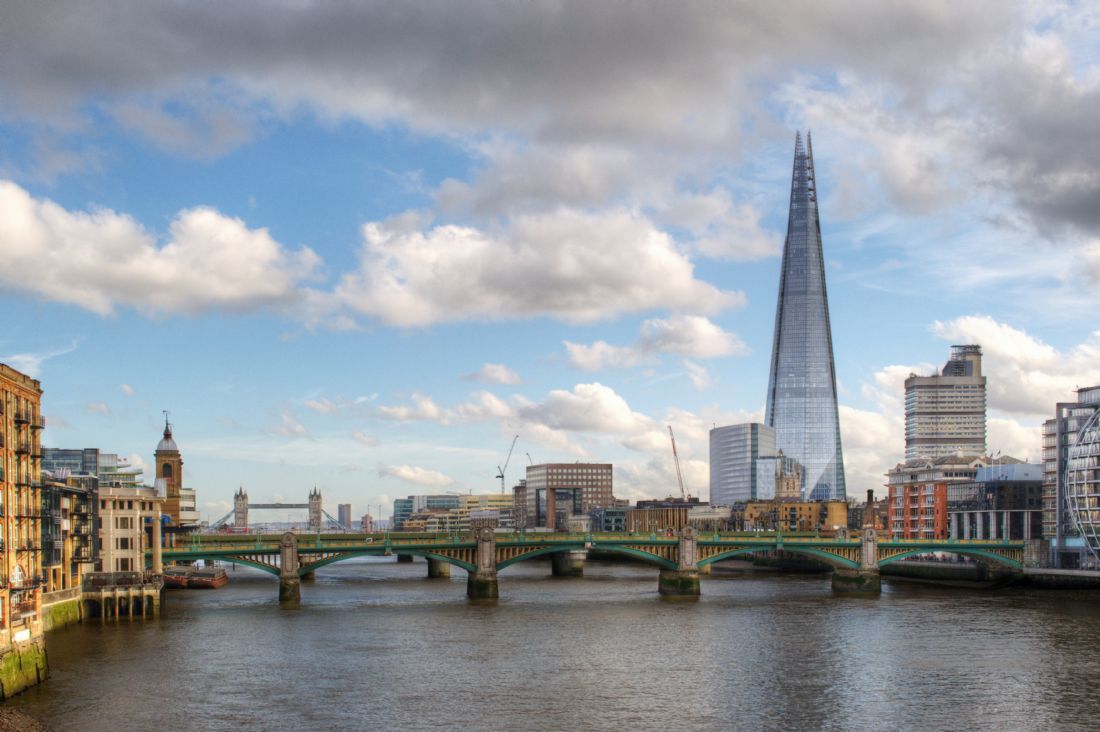
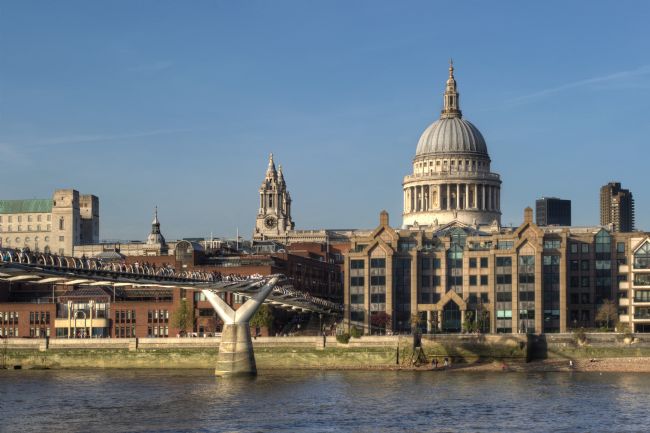
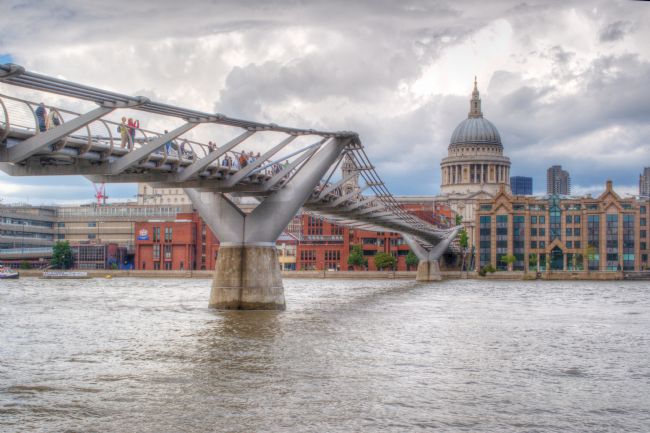
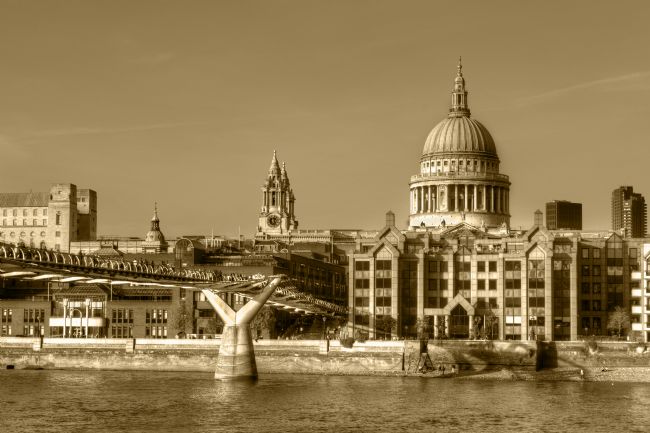
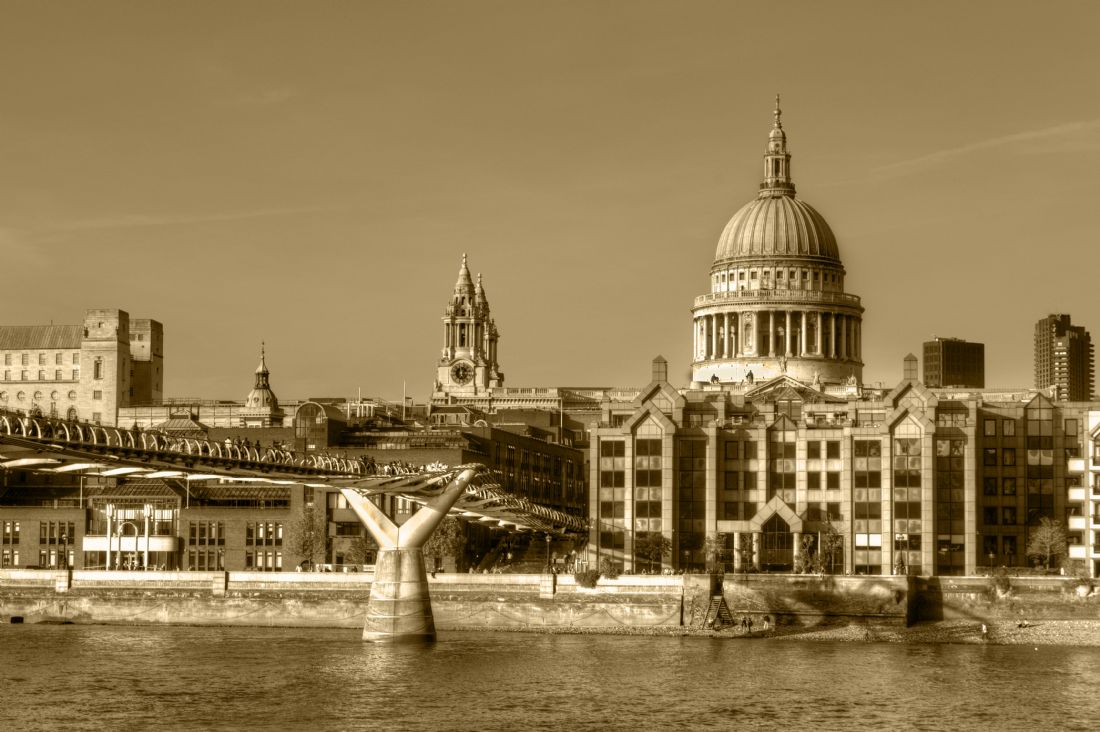
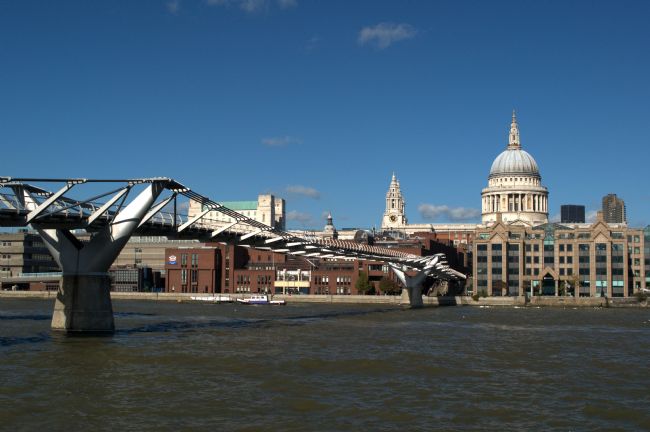
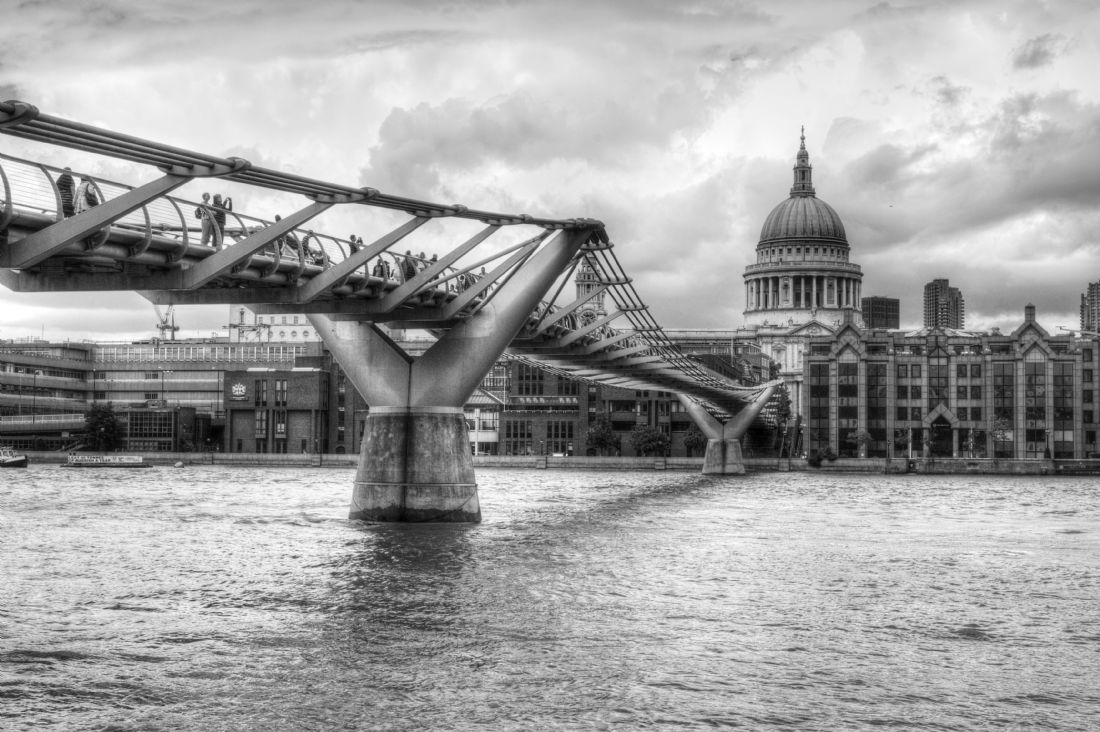
The London Skyline from the Millennium Bridge
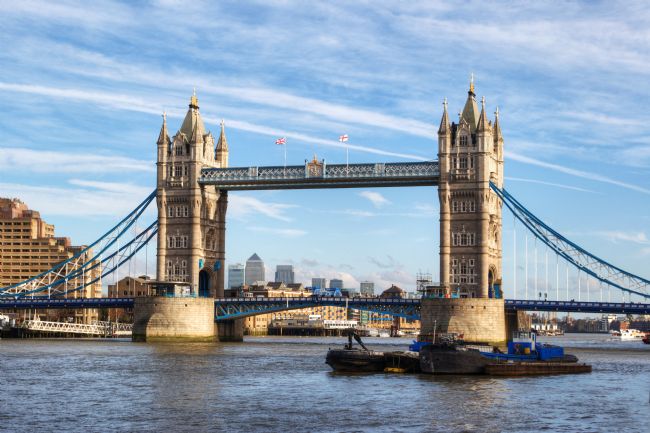
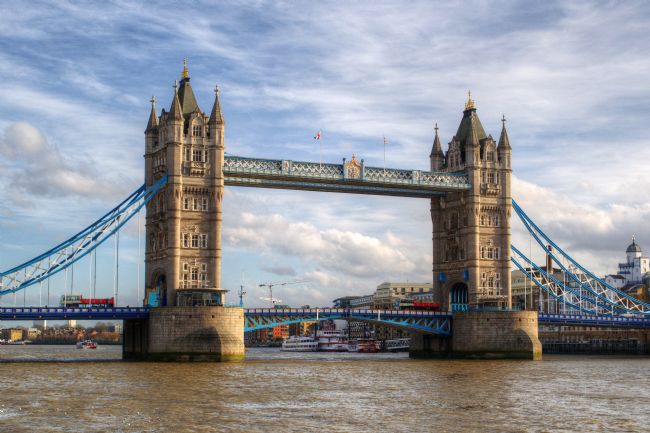
London Bridge was originally the only crossing for the Thames. As London grew, so more bridges were added, although these were all built to the west of London Bridge, since the area east of London Bridge had become a busy port. In the 19th century, the East End of London became so densely populated that public need mounted for a new bridge to the east of London Bridge, as journeys for pedestrians and vehicles were being delayed by hours. Finally in 1876, the City of London Corporation, responsible for that part of the Thames, decided the problem could be delayed no longer
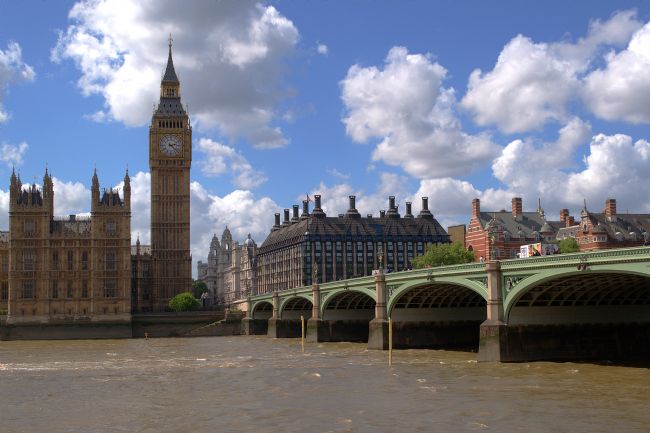
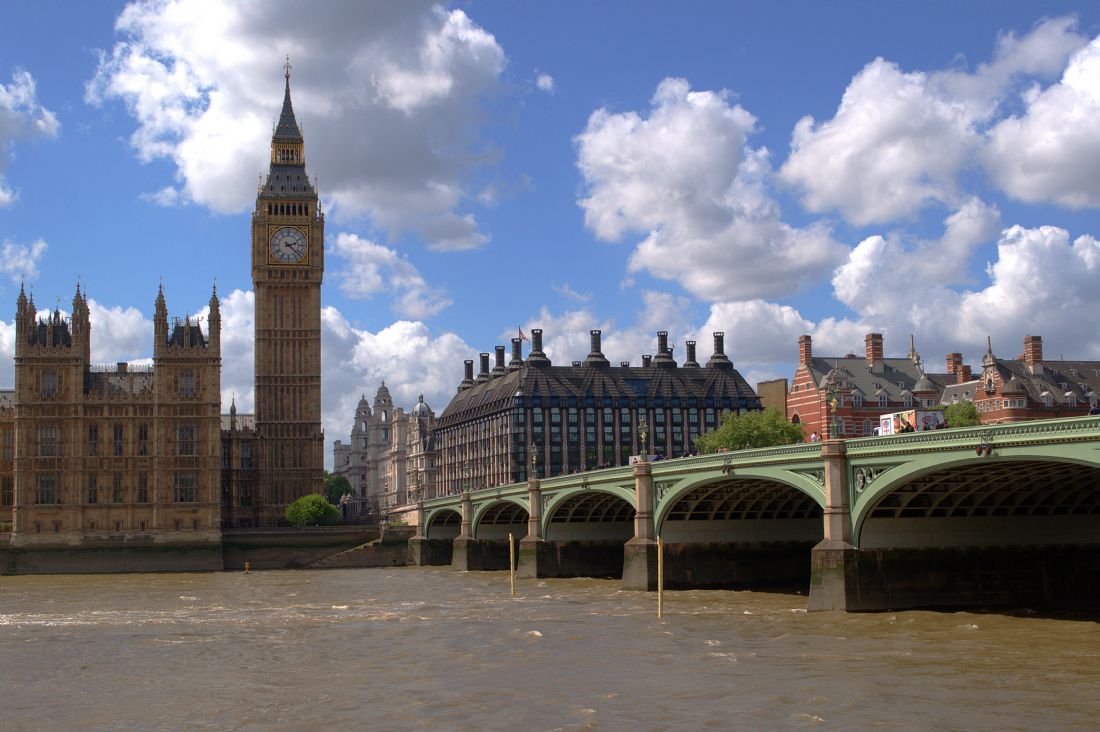
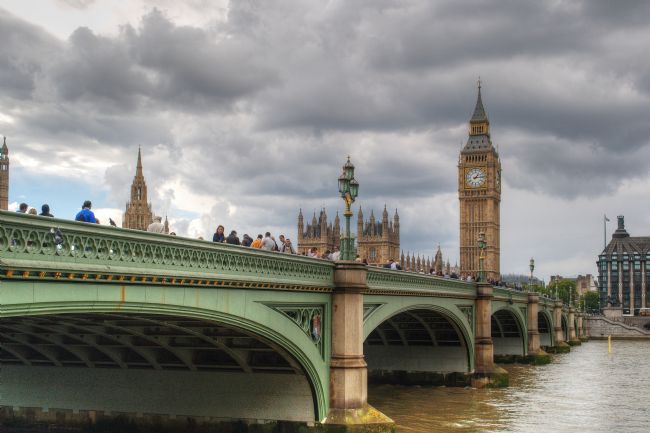
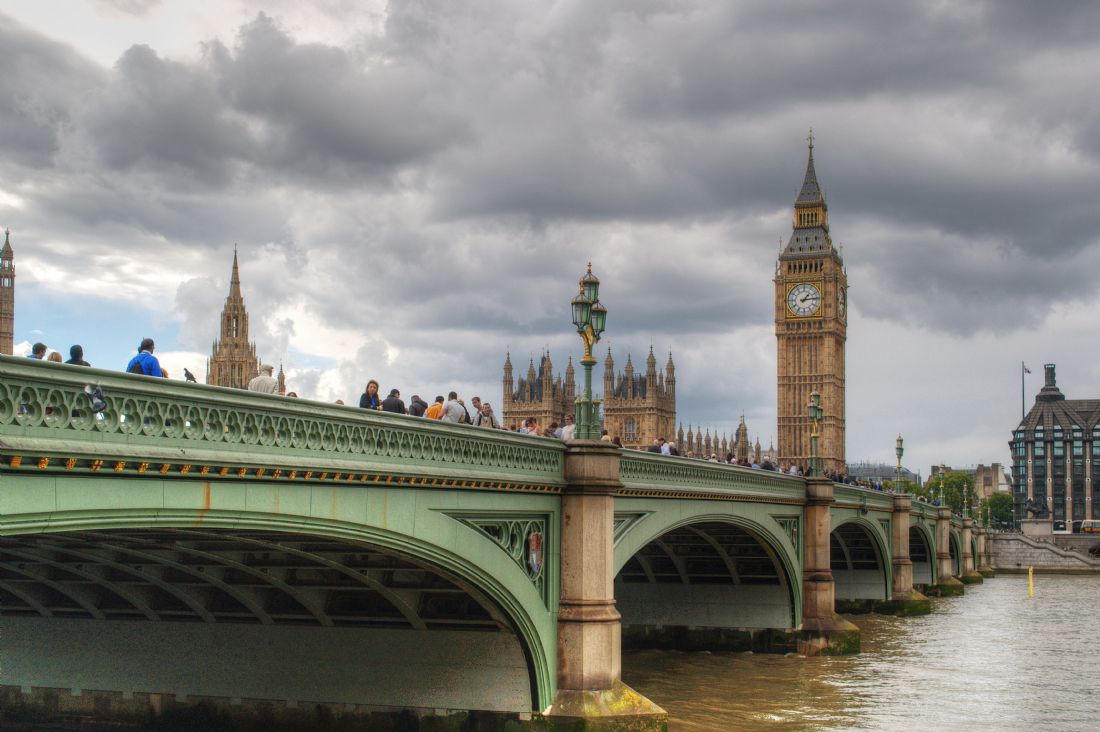
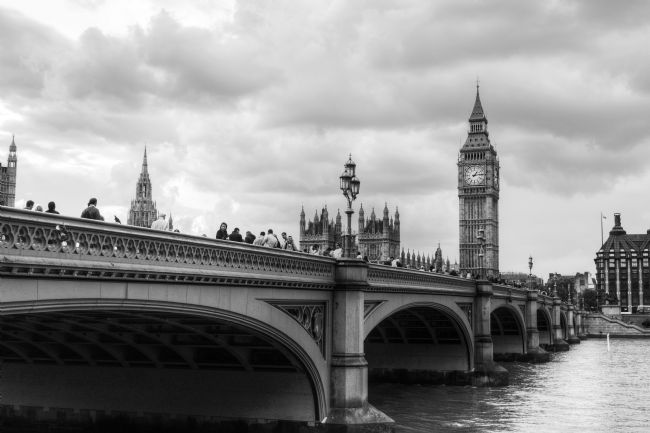
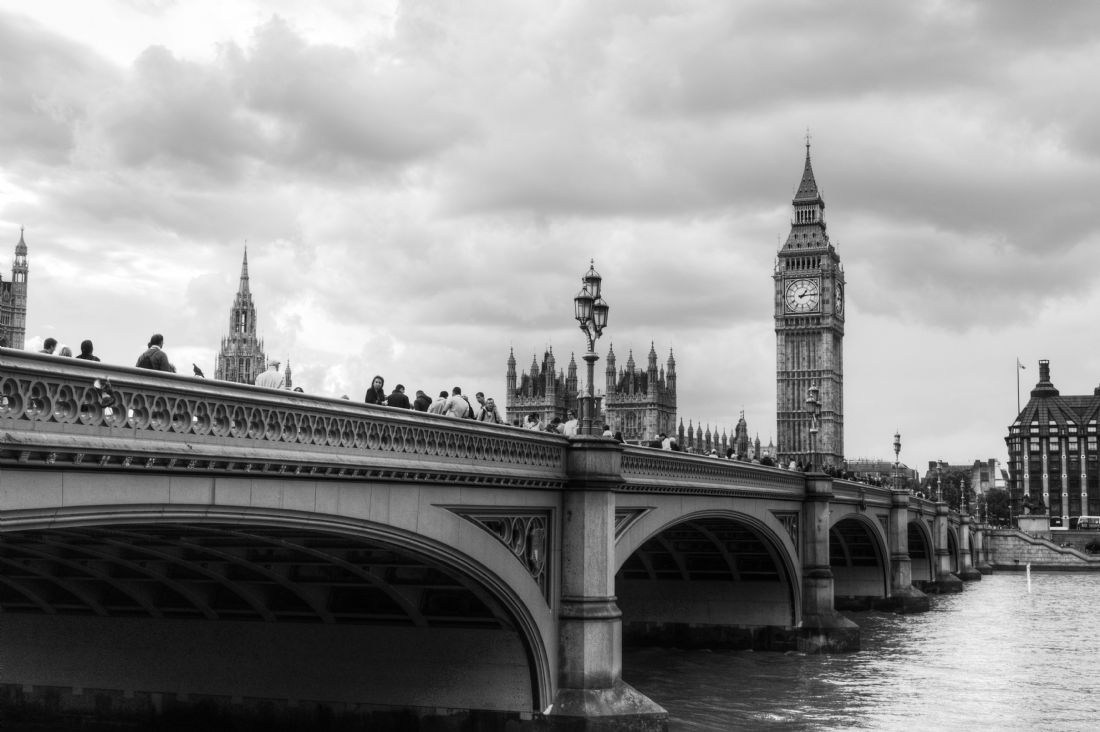
The Palace of Westminster and Parliament Square
The London Millennium Footbridge is a steel suspension bridge for pedestrians crossing the River Thames in london, 2012, olympics, England, linking Bankside with the City. It is located between Southwark Bridge (downstream) and Blackfriars Railway Bridge (upstream). The bridge is owned and maintained by the Bridge House Estates, a charitable trust overseen by the City of London Corporation. Construction of the bridge began in 1998, with the opening on 10 June 2000.
London Bridge was originally the only crossing for the Thames. As London grew, so more bridges were added, although these were all built to the west of London Bridge, since the area east of London Bridge had become a busy port. In the 19th century, the East End of London became so densely populated that public need mounted for a new bridge to the east of London Bridge, as journeys for pedestrians and vehicles were being delayed by hours. Finally in 1876, the City of London Corporation, responsible for that part of the Thames, decided the problem could be delayed no longer
The London Millennium Footbridge is a steel suspension bridge for pedestrians crossing the River Thames in London, England, linking Bankside with the City. It is located between Southwark Bridge (downstream) and Blackfriars Railway Bridge (upstream). The bridge is owned and maintained by the Bridge House Estates, a charitable trust overseen by the City of London Corporation. Construction of the bridge began in 1998, with the opening on 10 June 2000.
The London Millennium Footbridge is a steel suspension bridge for pedestrians crossing the River Thames in london, 2012, olympics, England, linking Bankside with the City. It is located between Southwark Bridge (downstream) and Blackfriars Railway Bridge (upstream). The bridge is owned and maintained by the Bridge House Estates, a charitable trust overseen by the City of London Corporation. Construction of the bridge began in 1998, with the opening on 10 June 2000.
London Bridge was originally the only crossing for the Thames. As London grew, so more bridges were added, although these were all built to the west of London Bridge, since the area east of London Bridge had become a busy port. In the 19th century, the East End of London became so densely populated that public need mounted for a new bridge to the east of London Bridge, as journeys for pedestrians and vehicles were being delayed by hours. Finally in 1876, the City of London Corporation, responsible for that part of the Thames, decided the problem could be delayed no longer
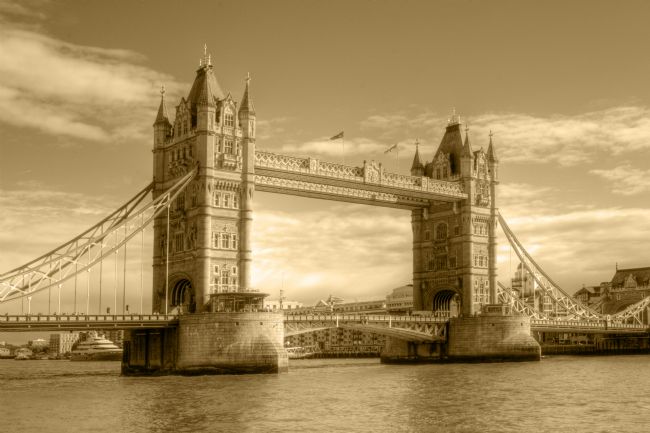
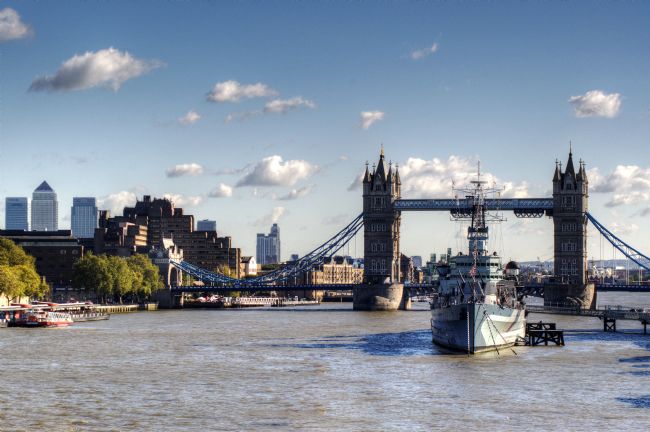
Canary Wharf Tower Bridge and HMS Belfast viewed from London Bridge
London Bridge was originally the only crossing for the Thames. As London grew, so more bridges were added, although these were all built to the west of London Bridge, since the area east of London Bridge had become a busy port. In the 19th century, the East End of London became so densely populated that public need mounted for a new bridge to the east of London Bridge, as journeys for pedestrians and vehicles were being delayed by hours. Finally in 1876, the City of London Corporation, responsible for that part of the Thames, decided the problem could be delayed no longer
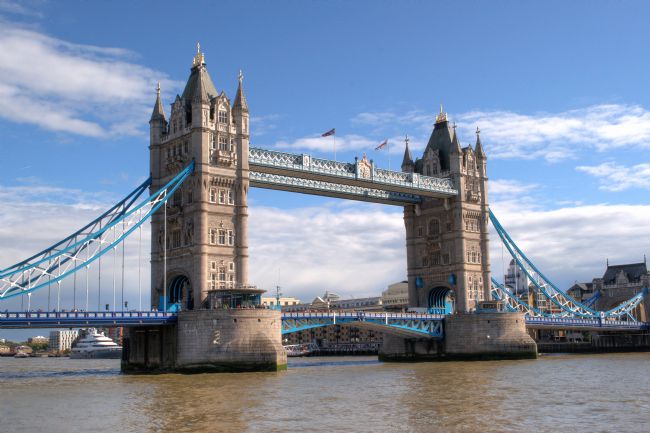
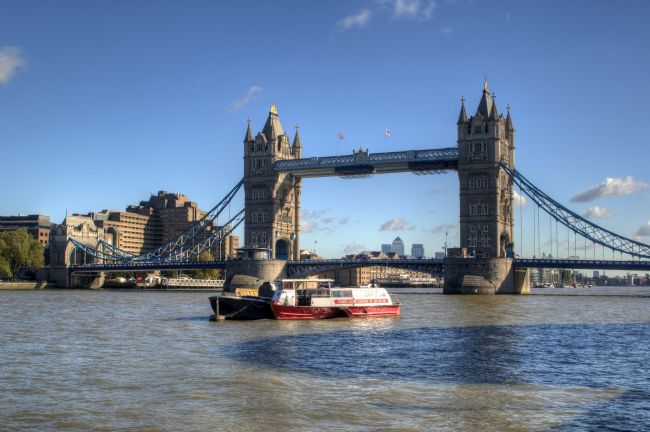
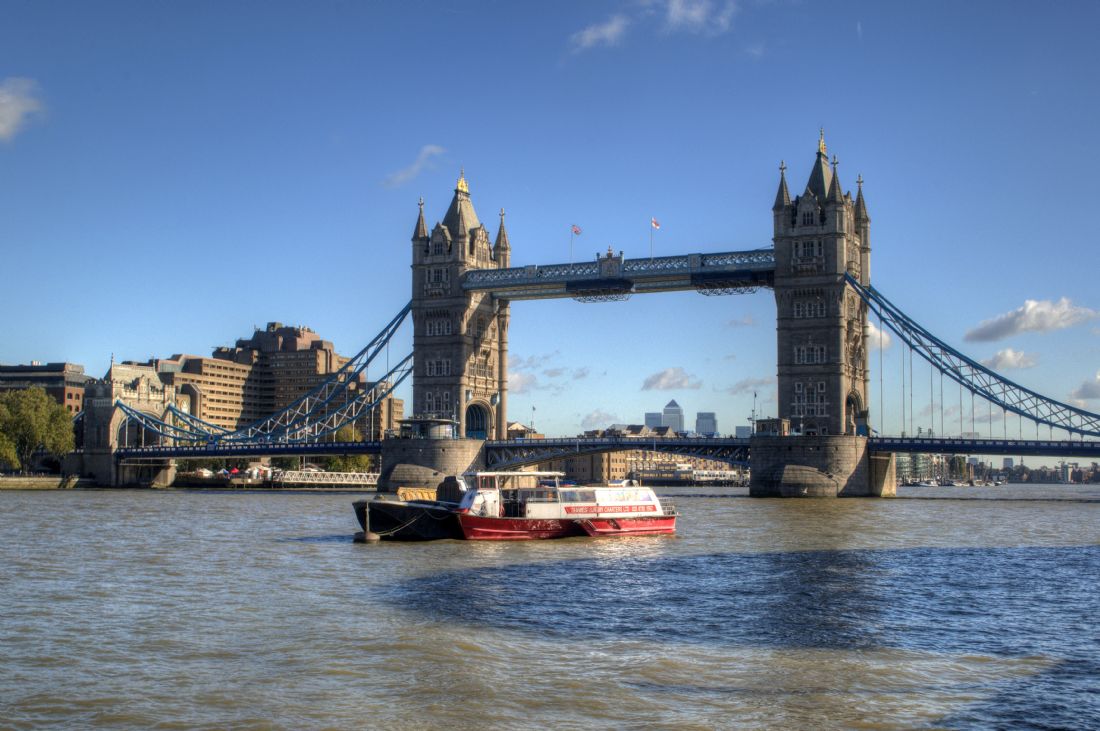
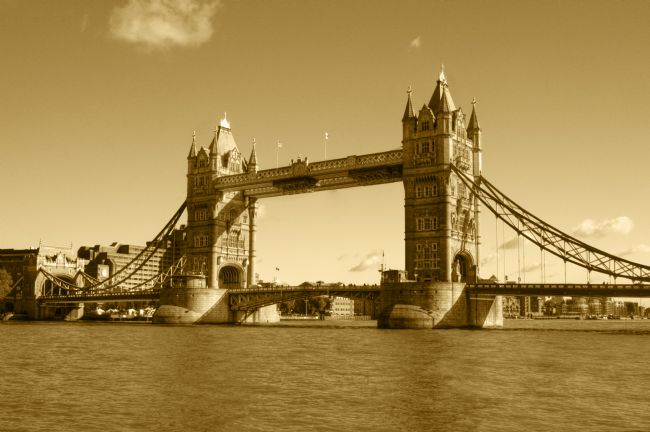
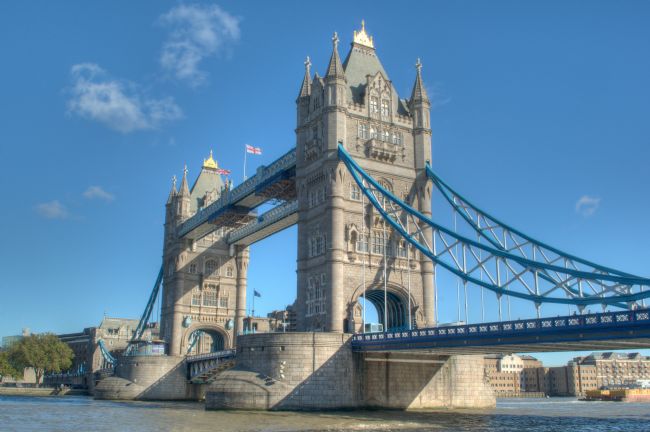
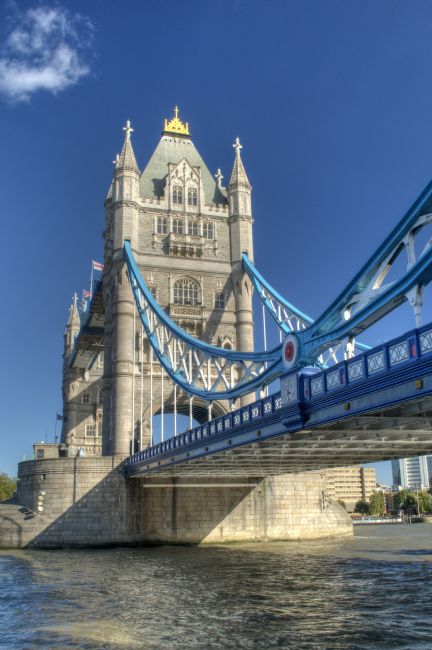
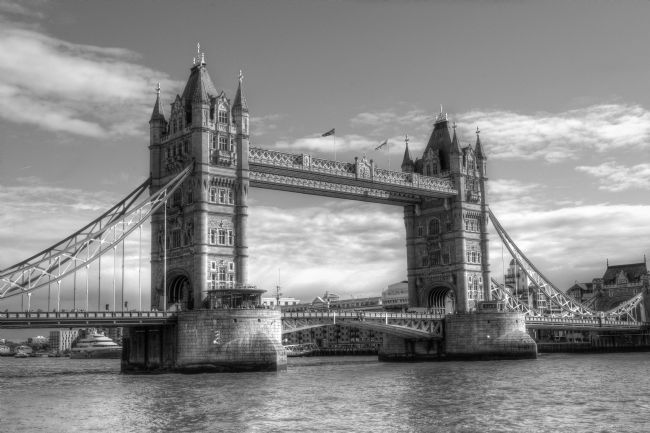
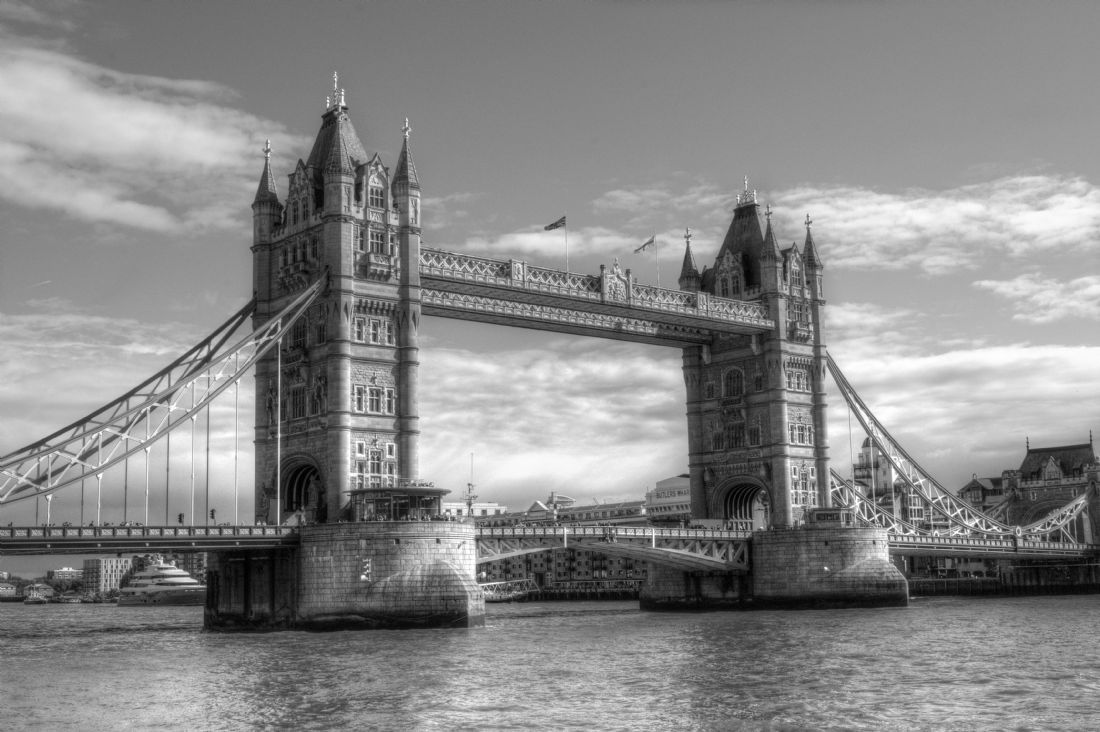
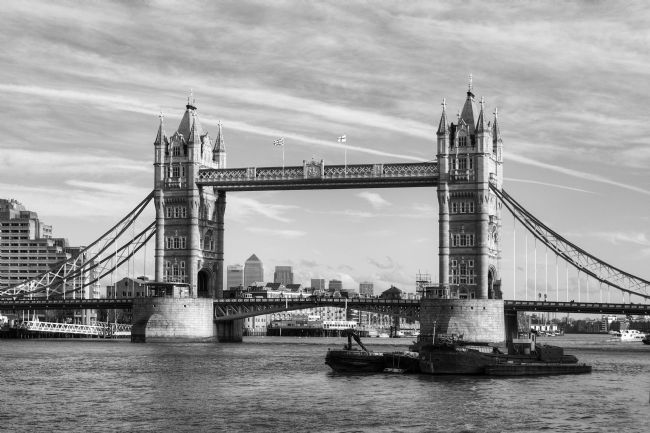
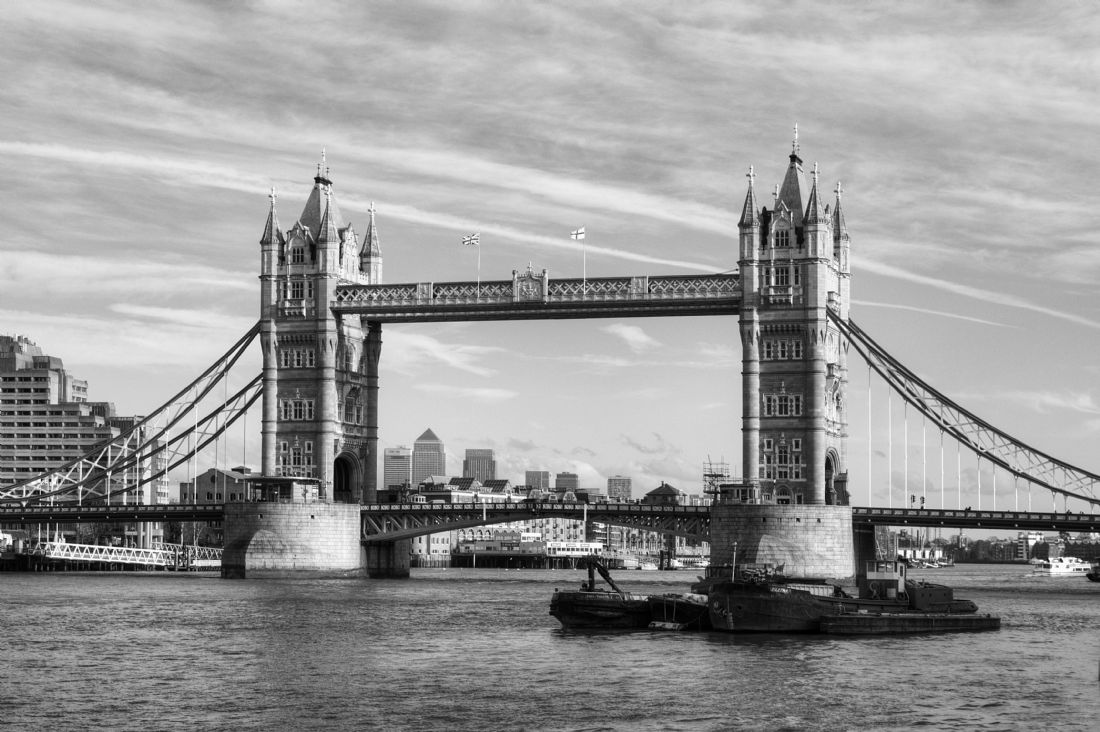
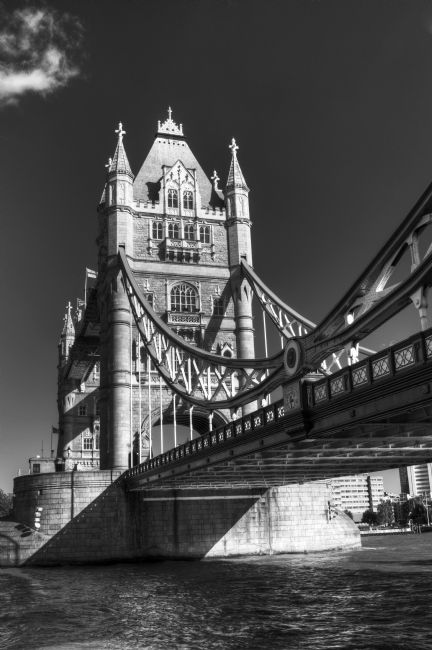
London Bridge was originally the only crossing for the Thames. As London grew, so more bridges were added, although these were all built to the west of London Bridge, since the area east of London Bridge had become a busy port. In the 19th century, the East End of London became so densely populated that public need mounted for a new bridge to the east of London Bridge, as journeys for pedestrians and vehicles were being delayed by hours. Finally in 1876, the City of London Corporation, responsible for that part of the Thames, decided the problem could be delayed no longer and so Tower Bridge was commisioned
London Bridge was originally the only crossing for the Thames. As London grew, so more bridges were added, although these were all built to the west of London Bridge, since the area east of London Bridge had become a busy port. In the 19th century, the East End of London became so densely populated that public need mounted for a new bridge to the east of London Bridge, as journeys for pedestrians and vehicles were being delayed by hours. Finally in 1876, the City of London Corporation, responsible for that part of the Thames, decided the problem could be delayed no longer and so Tower Bridge was commisioned
The London Millennium Footbridge is a steel suspension bridge for pedestrians crossing the River Thames in London, England, linking Bankside with the City. It is located downstrem from Southwark Bridge and upstream from Blackfriars Railway Bridge
The London Millennium Footbridge is a steel suspension bridge for pedestrians crossing the River Thames in London, England, linking Bankside with the City. It is located between Southwark Bridge (downstream) and Blackfriars Railway Bridge (upstream). The bridge is owned and maintained by the Bridge House Estates, a charitable trust overseen by the City of London Corporation. Construction of the bridge began in 1998, with the opening on 10 June 2000.
London Bridge was originally the only crossing for the Thames. As London grew, so more bridges were added, although these were all built to the west of London Bridge, since the area east of London Bridge had become a busy port. In the 19th century, the East End of London became so densely populated that public need mounted for a new bridge to the east of London Bridge, as journeys for pedestrians and vehicles were being delayed by hours. Finally in 1876, the City of London Corporation, responsible for that part of the Thames, decided the problem could be delayed no longer
Tower Bridge from the South bank of the River Thames
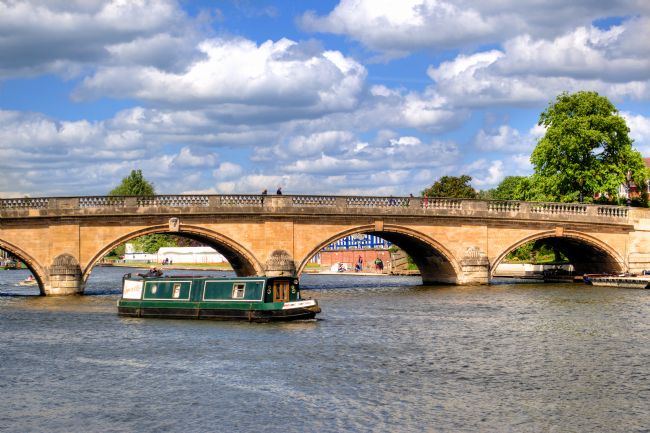
The bridge at Henley-on-Thames
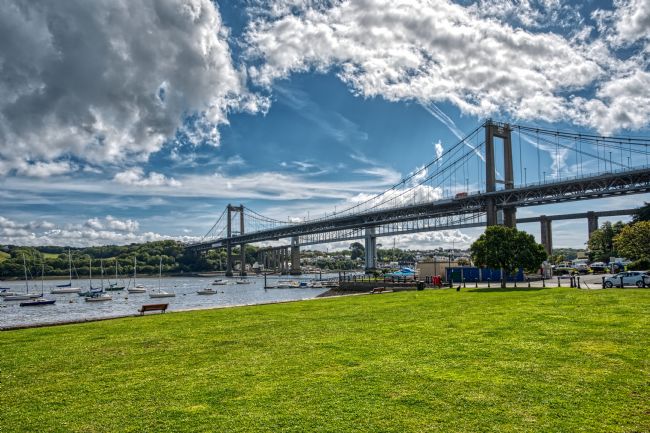
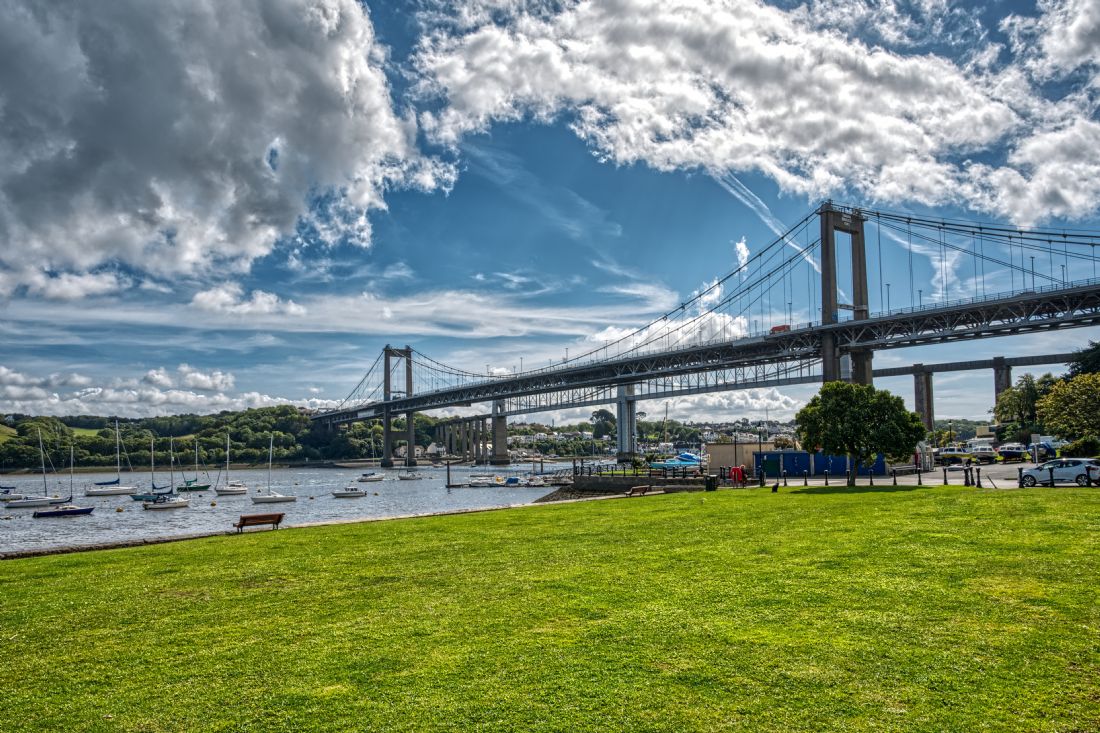
The Tamar Bridge is a road bridge over the River Tamar between Saltash in Cornwall and Plymouth in Devon. It adjacent to the Royal Albert Bridge, and part of the A38, a main road between the two counties. It is currently a toll bridge where it is free to drive from Devon to Cornwall. However, a toll must be paid for the reverse journey. During the 20th century, there was increasing demand to replace or supplement the Saltash and Torpoint ferries, which could not cope with the rise in motor traffic. The Government refused to prioritise the project, so it was financed by Plymouth City Council and Cornwall County Council. Construction began in 1959. It was unofficially opened in October 1961, with a formal presentation by Queen Elizabeth The Queen Mother in April 1962. A reconstruction of the bridge began in 1999 after it was found to be unable to support a European Union requirement for goods vehicle weights.The project was completed in late 2001
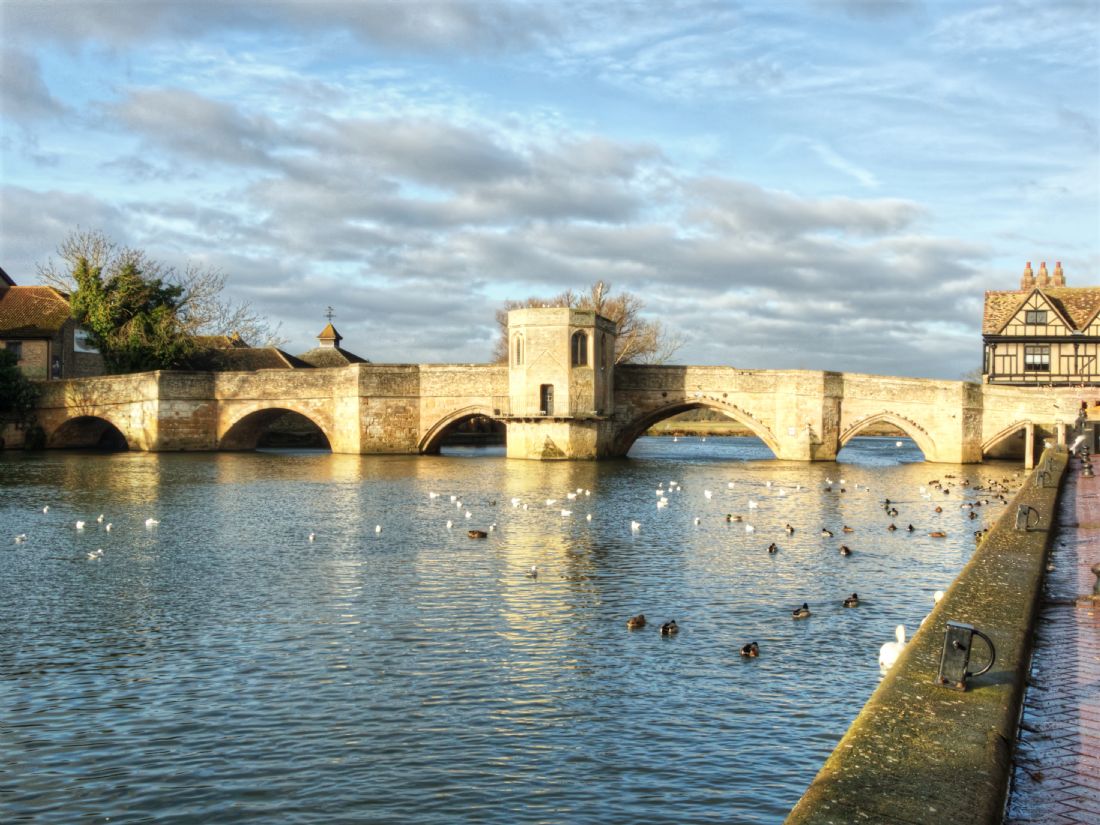
It is thought there was a ford on the site ever since a settlement existed in the area.
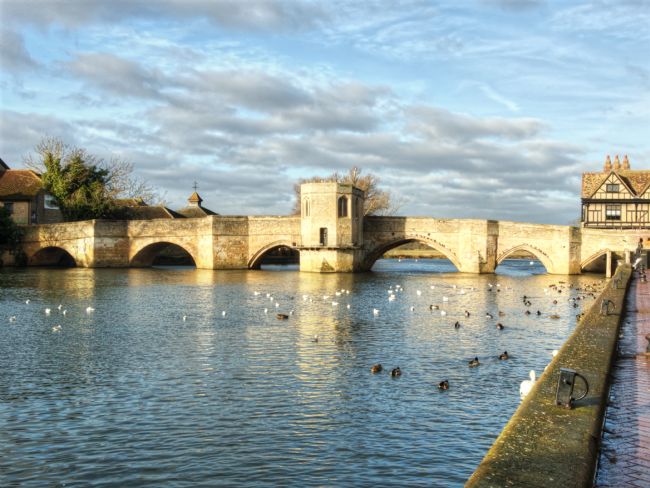
In 1107AD a wooden Toll bridge was built as part of Ramsey Abbeys development of the settlement.
In 1414 work began on a stone replacement which was completed in 1425. A chapel was added in 1426 dedicated to St Leger.
Bridges with chapels were not uncommon in mediaeval times. Today St Ives bridge is only one of four remaining.
Following the dissolution of monasteries in 1539, the chapel became a private residence.
Two extra floors were added in 1736. During the mid 1800s the building was a pub called Little Hell, an establishment with a somewhat dubious reputation.
In 1930 due to concern over the safety of the chapel structure the extra two stories were removed and it was restored as a chapel. Until the building of the bypass in 1980, the bridge was the only access from the south over the Great Ouse and into St Ives for over a thousand years.